
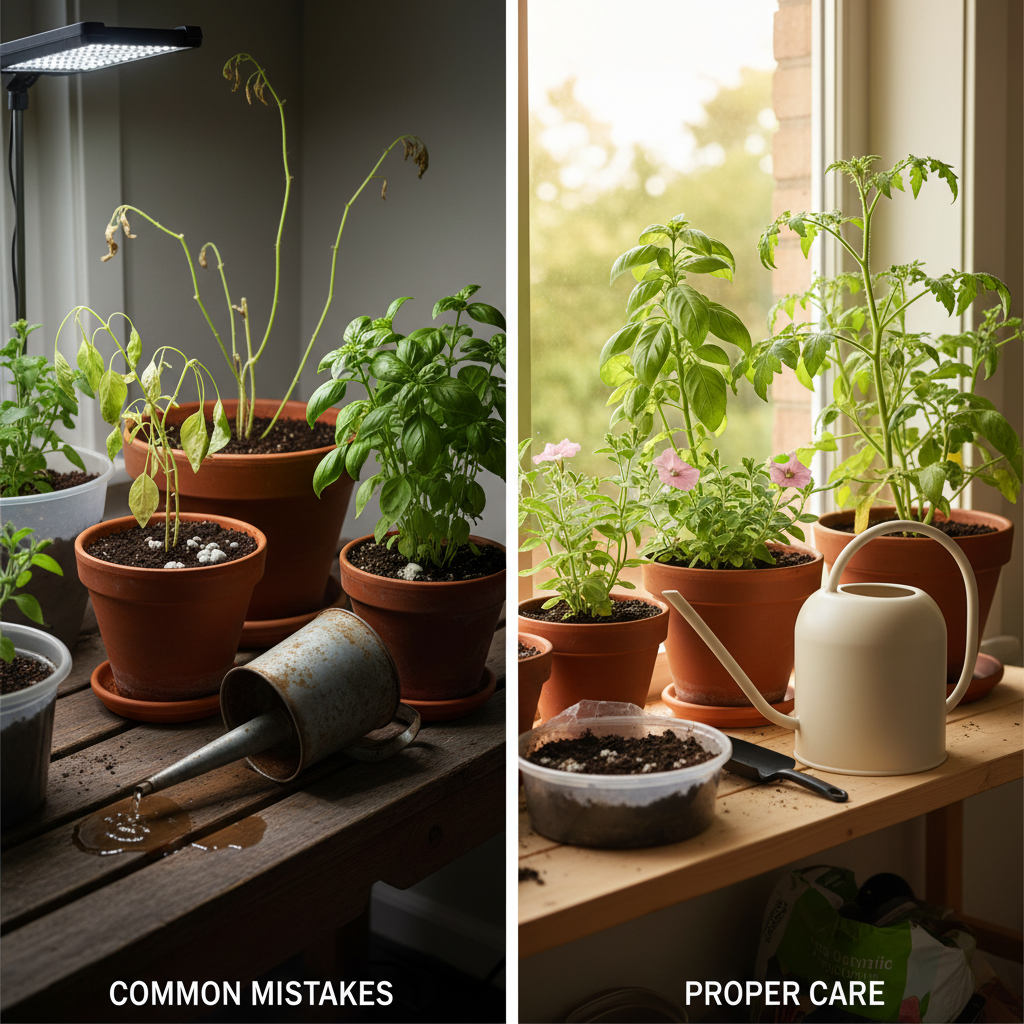
Gardening in limited spaces is a challenge many homeowners face. Even with minimal outdoor area, you can create a beautiful, productive garden using smart design, compact plants, and efficient layouts. Small garden ideas for limited spaces focus on maximizing greenery, improving aesthetics, and creating a functional outdoor area without overcrowding.
Understanding space, light, and plant selection is essential. Many beginners struggle with small gardens because they treat them like large gardens, resulting in cluttered layouts and stressed plants. The key is to plan strategically and choose solutions that fit the size and shape of your space.
Benefits of a Small Garden
Small gardens offer several advantages. They are easier to maintain, require less water, and reduce the workload compared to larger plots. A well-planned small garden can provide relaxation, aesthetic appeal, and even fresh produce.
Limited spaces encourage creativity. Vertical gardens, container planting, and tiered layouts allow gardeners to maximize every inch. They also allow for experimenting with plant combinations, colors, and textures without overwhelming the area.
Planning Your Small Garden
Planning is critical. Without a clear plan, limited spaces can quickly become overcrowded or underutilized. Start by measuring your area, noting sunlight exposure, wind patterns, and access points.
Define the purpose of your garden. Decide whether you want flowers, vegetables, herbs, or a combination. Planning for purpose ensures efficient use of space, healthier plants, and easier maintenance. Create zones if possible: a small seating area, a container plant section, and vertical growing spaces.
Small Garden Ideas for Limited Spaces
1. Vertical Gardening
Vertical gardening is ideal for small spaces. Using walls, fences, or trellises allows you to grow plants upwards rather than outwards.
Ideas include hanging pots, wall-mounted planters, and vertical racks. Herbs, strawberries, and trailing plants work well in vertical setups. Vertical gardens reduce clutter, improve airflow, and create a striking visual impact.
2. Container Gardening
Containers make gardening flexible. You can move plants to optimize sunlight, prevent overcrowding, and change layouts seasonally.
Use pots, planters, or even repurposed items like buckets or crates. Choose compact plants like cherry tomatoes, dwarf peppers, lettuce, or succulents. Container gardening also reduces soil-borne disease risk and allows better control of nutrients and watering.
3. Raised Beds
Raised beds work well in small yards or patios. They define planting areas, improve drainage, and allow intensive planting.
Use wooden, metal, or stone frames to create beds that fit your space. Companion planting within raised beds maximizes yields. Crops like lettuce, spinach, carrots, and herbs thrive in raised setups.
4. Hanging Baskets
Hanging baskets are perfect for adding greenery without occupying floor space. They add vertical interest and can be placed on porches, balconies, or fences.
Plants like ferns, petunias, ivy, and cherry tomatoes do well in hanging baskets. Ensure baskets have good drainage and regular watering, as they dry out faster than ground soil.
5. Tiered or Stacked Planters
Tiered planters allow multiple layers of plants in the same footprint. They work for flowers, herbs, and vegetables.
Stacked designs save space and create a lush appearance. Use tiered plant stands, shelving units, or DIY pallet setups. Ensure bottom tiers get sufficient light, or rotate plants to avoid shading.
6. Small Water Features
Adding a compact water feature enhances ambiance in small gardens. A fountain, birdbath, or mini pond adds a relaxing focal point.
Water features also attract birds and beneficial insects. Choose a model appropriate for your space and consider solar-powered options to reduce maintenance.
7. Compact Trees and Shrubs
Select dwarf trees or shrubs to provide structure without overwhelming your garden.
Options include dwarf citrus, Japanese maples, or compact boxwoods. Small trees can offer shade, visual interest, and vertical height in narrow spaces. Prune regularly to maintain size and shape.
8. Window Boxes
Window boxes bring greenery to small urban spaces. They allow flowers, herbs, or small vegetables to grow close to your home.
Install secure brackets and choose lightweight containers to avoid structural strain. Window boxes are ideal for apartment dwellers or homes with limited yard space.
9. Pathways and Stepping Stones
Even in a small garden, pathways create structure and accessibility. Narrow paths with stepping stones allow easy access to plants without compacting soil.
Use gravel, bricks, or wooden planks to define paths. Proper planning prevents overcrowding and makes the garden feel larger than it is.
10. Garden Mirrors
Mirrors can visually expand a small garden. Place mirrors on fences or walls to reflect greenery and create the illusion of more space.
Use weather-resistant mirrors or reflective panels. This technique is purely aesthetic but highly effective in narrow yards or patios.
Maximizing Light in Small Gardens
Light is often limited in small spaces. Optimizing sunlight exposure ensures healthy plant growth.
Use reflective surfaces, like white walls or light-colored furniture, to increase available light. Choose shade-tolerant plants for areas with low sunlight. Rotate containers or reposition plants seasonally to make the most of changing light patterns.
Using Color and Texture
Color and texture create the illusion of space. Lighter colors and vertical textures make gardens appear larger.
Combine foliage shapes, plant heights, and seasonal blooms to maintain visual interest. Planting taller plants at the back and shorter plants in front creates depth and layers. Use a mix of flowering plants and foliage to add dimension.
Efficient Watering Techniques
Small gardens dry out quickly, especially in containers and vertical setups. Efficient watering prevents stress and conserves water.
Drip irrigation, self-watering containers, and soaker hoses deliver water directly to roots. Water early in the day to reduce evaporation and fungal risk. Group plants with similar water needs to simplify maintenance.
Companion Planting in Small Gardens
Companion planting improves productivity in limited spaces. Some plants protect others from pests or enhance growth.
Examples include basil with tomatoes, marigolds with vegetables, and lettuce under taller plants for shade. Companion planting maximizes yield and reduces chemical use in compact areas.
Seasonal Planning
Small gardens benefit from careful seasonal planning. Continuous planting, succession crops, and rotation prevent soil depletion.
Plan for spring, summer, fall, and winter crops if climate allows. Use cold frames or cloches to extend growing seasons. Seasonal planning keeps small gardens productive year-round.
Low-Maintenance Plants
Choose low-maintenance plants to reduce effort in small gardens. Drought-tolerant, slow-growing, or pest-resistant plants save time.
Examples include succulents, lavender, ornamental grasses, and herbs. Combining low-maintenance plants with more delicate species balances beauty and ease of care.
Edible Gardens in Small Spaces
Limited spaces can still support vegetables, fruits, and herbs. Container gardens, vertical racks, and tiered beds increase production in compact areas.
Compact crops like cherry tomatoes, dwarf peppers, radishes, and lettuce are ideal. Even small balcony gardens can provide fresh herbs for daily cooking.
Smart Storage and Organization
In small gardens, storage and organization are crucial. Keep tools, pots, and fertilizers compact and accessible.
Use wall-mounted racks, hanging hooks, or storage benches. Efficient organization prevents clutter and frees up space for planting.
Creating a Relaxing Space
A small garden can serve as a retreat. Include a small bench, chair, or hammock if space allows.
Even minimal seating surrounded by greenery creates a calming environment. Incorporate aromatic plants or flowering vines to enhance relaxation.
Maintenance Tips for Small Gardens
Small gardens require regular maintenance to remain attractive and productive.
Prune overgrown plants, remove dead foliage, and check for pests frequently. Rotate containers and replenish soil nutrients to sustain healthy growth. Consistent care prevents overcrowding and stress in compact layouts.
Maximizing Vertical Space with Trellises and Pergolas
Trellises and pergolas allow climbing plants like beans, peas, or flowering vines to grow upward. Vertical structures free floor space for other plants.
They also create visual interest and shade microclimates for delicate plants. Use lightweight trellises or adjustable pergolas suitable for small areas.
Using Reflective or Light Surfaces
Bright walls, light-colored fences, or reflective tiles can make a garden feel more spacious. These surfaces bounce light and highlight plant colors.
Mirrors can be strategically placed to create the illusion of depth. Light surfaces also improve photosynthesis in shaded corners.
Selecting Multi-Purpose Plants
Choose plants that serve more than one function. Examples include plants that provide food, fragrance, and greenery simultaneously.
Herbs like rosemary, thyme, or mint work for culinary use and visual appeal. Climbing plants like ivy or jasmine provide coverage, fragrance, and vertical interest.
Conclusion
Small garden ideas for limited spaces focus on maximizing every inch of your yard or balcony. Vertical gardening, containers, tiered beds, compact trees, and smart planning make small gardens productive and visually appealing. Efficient watering, companion planting, seasonal planning, and maintenance ensure long-term success. Even the smallest space can become a lush retreat or productive garden with creativity and strategic design. By implementing these ideas, you can transform limited spaces into thriving, beautiful gardens that offer relaxation, food, and aesthetic value year-round.