
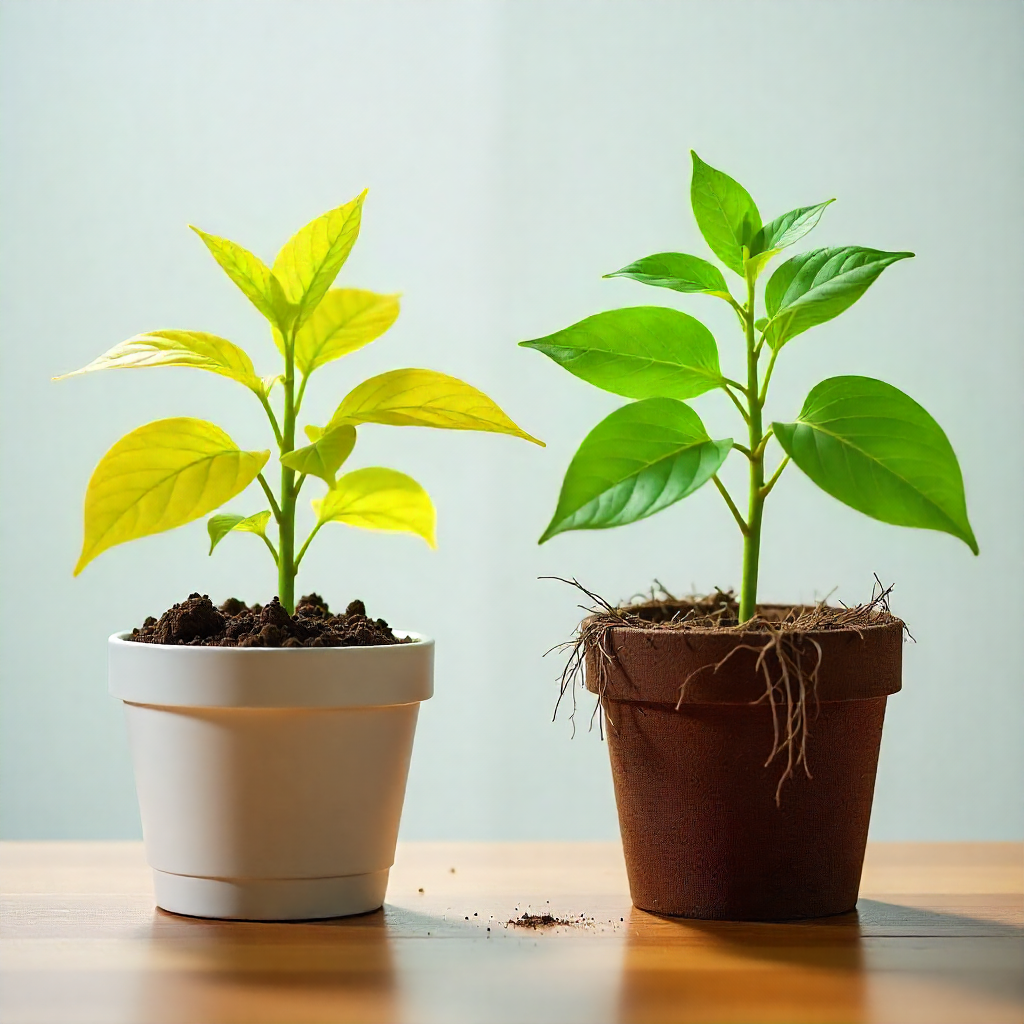
Understanding whether your plants are overwatered or underwatered is one of the most important skills for maintaining a healthy garden. Watering mistakes are the most common cause of plant stress and death. Knowing the visual, tactile, and environmental signs can save your plants and improve growth, flowering, and fruit production.
Plants respond to water stress differently depending on species, soil type, container size, and environmental conditions. By carefully observing your plants, you can correct issues before permanent damage occurs. Regular monitoring combined with proper watering techniques ensures your plants thrive without wasting water.
Why Identifying Water Stress Matters
Overwatering and underwatering both disrupt plant physiology. Overwatered roots can suffocate, causing rot and fungal infections. Underwatered plants cannot absorb nutrients effectively, leading to stunted growth and leaf drop. Early detection prevents irreversible damage and reduces the need for chemical treatments.
Being able to distinguish between these two problems helps you save time, water, and money. Proper watering also promotes stronger roots, healthier foliage, and improved resistance to pests and diseases.
Key Signs of Overwatered Plants
Yellowing Leaves
Yellow leaves, especially on lower branches, are a common sign of overwatering. This happens because saturated soil prevents oxygen from reaching roots, causing nutrient deficiencies.
Soft, Mushy Stems
When stems feel soft or mushy, it indicates root rot caused by excess moisture. This condition can quickly spread and kill the plant if not corrected.
Leaf Drop
Sudden leaf drop can result from overwatering, particularly in indoor plants. Even healthy plants will shed leaves when roots are waterlogged.
Mold or Fungus
White mold or fungus on soil surfaces is a clear indicator of excessive moisture. This environment encourages fungal growth and attracts pests.
Soil That Remains Wet
If soil stays wet for days after watering, roots cannot breathe. Overwatering reduces the plant’s ability to absorb nutrients and can cause long-term damage.
Key Signs of Underwatered Plants
Wilting Leaves
Wilting is the most obvious sign of underwatering. Leaves droop and lose turgidity because cells cannot maintain pressure without adequate water.
Dry, Crispy Edges
Leaf edges turning brown and crispy indicate a lack of moisture. This often starts at the tips and spreads inward.
Slow Growth
Plants that are consistently underwatered grow slowly or stop producing new leaves and flowers. Nutrient uptake is limited without sufficient water.
Soil Pulling Away from Pot
In containers, soil shrinking and pulling away from pot edges indicates it is extremely dry. Roots may also appear brittle or white due to dehydration.
Leaf Curling
Curling or folding leaves are a defensive mechanism against water loss. This is particularly noticeable in succulents and tropical plants.
Overwatering vs. Underwatering: How to Differentiate
Some signs overlap, like wilting or leaf discoloration, making diagnosis tricky. Check soil moisture by inserting a finger 2 inches deep. Wet, soggy soil points to overwatering; dry, crumbly soil confirms underwatering.
Observe growth patterns and root health. Overwatered plants may have brown, mushy roots, while underwatered plants show brittle, white roots. Adjust watering accordingly rather than relying on schedule alone.
Factors That Influence Water Needs
Plant Species
Cacti and succulents need far less water than leafy vegetables or tropical plants. Flowering plants often require moderate, consistent moisture for optimal blooming.
Soil Type
Sandy soils drain quickly, requiring frequent watering. Clay soils hold water longer, increasing risk of overwatering. Loamy soils provide a balance that supports most plant types.
Container vs. Ground
Container plants dry faster than ground plants, so check daily. Ground plants benefit from deeper roots and retain moisture longer.
Climate and Weather
Hot, dry climates increase plant water needs. Rainy or humid conditions reduce frequency. Adjust watering schedules based on seasonal changes and local weather.
Correcting Overwatering
Stop Watering Temporarily
Allow soil to dry out before adding more water. For potted plants, lift and drain excess water from saucers.
Improve Drainage
Use pots with drainage holes and ensure soil is well-draining. For garden beds, amend clay soil with sand or organic matter to prevent waterlogging.
Remove Damaged Leaves
Trim yellow or rotten leaves to prevent disease spread. Healthy leaves will recover with proper watering.
Repot if Necessary
If roots are rotting, remove the plant from the pot, trim damaged roots, and repot in fresh, well-draining soil.
Correcting Underwatering
Water Thoroughly
Water deeply so moisture reaches the root zone. Shallow watering encourages weak, surface roots.
Increase Frequency
Adjust watering schedule based on soil type and plant needs. Check moisture regularly until plants recover.
Mulching
Apply mulch to reduce evaporation and maintain soil moisture. Organic mulch also improves soil fertility over time.
Monitor Recovery
Wilting may persist for a few days. Observe leaves for signs of regained turgidity and color.
Preventing Future Water Stress
Regular Soil Checks
Insert a finger or use a moisture meter to assess soil before watering. Avoid fixed schedules that ignore actual conditions.
Observe Plant Behavior
Leaves, stems, and flowers provide continuous feedback. React quickly to changes in plant appearance.
Efficient Watering Techniques
Drip irrigation or soaker hoses provide consistent moisture. Water early in the morning to reduce evaporation and fungal growth.
Mulching
Retains moisture, moderates temperature, and suppresses weeds. Helps maintain consistent hydration for both indoor and outdoor plants.
Grouping Plants
Place plants with similar water requirements together. This makes watering more precise and reduces stress from over- or underhydration.
Indoor Plant Considerations
Indoor plants often suffer from overwatering due to poor drainage or high humidity. Ensure containers have holes, use well-draining soil, and avoid letting plants sit in water. Indoor humidity and heating systems also influence watering needs.
Signs Specific to Indoor Plants
-
Yellowing and wilting leaves from excess water
-
Dust accumulation on leaves can reduce transpiration
-
Dry soil and curled leaves indicate underwatering
Common Mistakes to Avoid
Watering on a strict schedule without checking soil moisture
Assuming indoor plants need the same water as outdoor plants
Ignoring seasonal changes or rainfall
Watering only the surface without deep irrigation
Overreliance on automated watering systems without observation
Quick Reference Guide
Overwatered Signs: Yellow leaves, soft stems, leaf drop, mold, consistently wet soil
Underwatered Signs: Wilting, dry crispy leaves, slow growth, soil pulling from pot, leaf curling
Correct diagnosis requires observing soil, roots, and plant behavior, not just leaf appearance. Combining observation with proper watering techniques ensures healthy plants year-round.
Conclusion
Recognizing the signs your plants are overwatered or underwatered is essential for thriving gardens. Yellowing leaves, soft stems, and mold indicate overwatering, while wilting, dry edges, and slow growth point to underwatering. Monitor soil moisture, adjust watering frequency, and use efficient techniques like mulching and drip irrigation. Observing your plants and acting promptly prevents irreversible damage, promotes growth, and ensures a vibrant garden. By understanding these signals, you maintain healthy plants and enjoy consistent yields and flowering.