
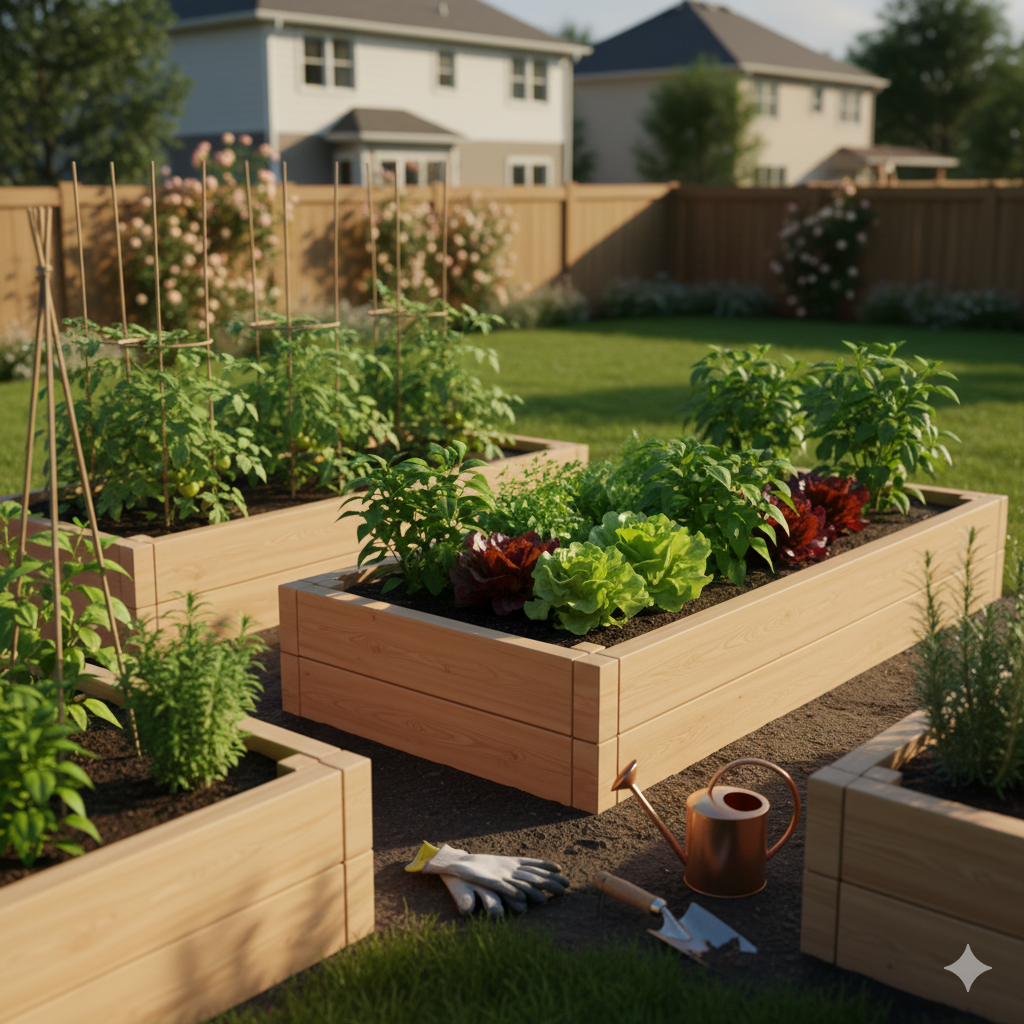
Raised Garden Beds: Benefits and Setup Guide
Before we go into the details, let me remind you what we will cover in this guide. We will talk about the real benefits of raised garden beds, how to build them step by step, what soil mix works best, what mistakes to avoid, and whether they are worth your money.
If you are searching for a complete Raised Garden Beds: Benefits and Setup Guide, this article answers every major question clearly and directly.
What Are Raised Garden Beds?
Raised garden beds are planting areas elevated above ground level. They are usually framed with wood, metal, stone, or composite materials and filled with high-quality soil.
They can sit directly on native soil or on surfaces like concrete. Most are 6–24 inches high.
Raised beds improve soil control, drainage, and accessibility. That is why they are popular among beginners and experienced gardeners.
Why Are Raised Garden Beds So Popular?
Raised beds solve common gardening problems quickly:
-
Poor soil quality
-
Bad drainage
-
Weed invasion
-
Limited yard space
-
Back pain from bending
According to data from the National Gardening Association, home food gardening continues to grow because people want more control over what they eat. Raised beds make that easier.
Benefits of Raised Garden Beds
Better Soil Control
With traditional gardening, you depend on native soil. If it is clay-heavy or sandy, growth suffers.
Raised beds allow you to:
-
Choose your own soil blend
-
Control nutrients
-
Improve texture and fertility
-
Avoid contaminated soil
This is especially important in urban areas.
Improved Drainage
Drainage is one of the biggest reasons gardeners switch to raised beds.
Elevated soil:
-
Drains excess water faster
-
Prevents root rot
-
Warms up earlier in spring
The University of Minnesota Extension explains that well-drained soil improves root oxygen levels and plant performance.
Fewer Weeds
Raised beds reduce weeds because:
-
You start with clean soil
-
Weed seeds are limited
-
Beds are easier to monitor
Adding mulch reduces weeds even further.
Higher Yields in Small Spaces
Raised beds allow closer plant spacing. This creates a microclimate.
Benefits include:
-
Better moisture retention
-
Reduced evaporation
-
Efficient use of space
Square-foot gardening works especially well in raised beds.
Easier Maintenance
Raised beds reduce strain on your back and knees.
They are ideal for:
-
Older gardeners
-
People with mobility issues
-
Small backyard spaces
You can even build them waist-high for full accessibility.
Longer Growing Season
Raised soil warms faster in spring. It also drains faster after heavy rain.
This means:
-
Earlier planting
-
Extended harvest
-
Better crop consistency
Are Raised Garden Beds Worth It?
Yes, for most gardeners they are worth the investment.
They cost more upfront than in-ground gardening. But they save money over time through:
-
Better yields
-
Fewer soil amendments
-
Reduced fertilizer waste
-
Lower weed management time
If you grow vegetables regularly, raised beds pay off.
Types of Raised Garden Beds
Wooden Raised Beds
Most common option.
Pros:
-
Affordable
-
Easy to build
-
Natural look
Best woods:
-
Cedar
-
Redwood
Avoid pressure-treated lumber for edible crops unless certified safe.
Metal Raised Beds
Popular modern option.
Pros:
-
Long lifespan
-
Sleek design
-
Resistant to rot
Cons:
-
Can heat up in hot climates
Galvanized steel is common.
Stone or Brick Beds
Very durable.
Pros:
-
Permanent
-
Attractive
-
Excellent insulation
Cons:
-
Expensive
-
Harder to install
Composite Raised Beds
Made from recycled plastic or wood fibers.
Pros:
-
Low maintenance
-
Rot-resistant
-
Long-lasting
Higher upfront cost.
How to Build Raised Garden Beds (Step-by-Step)
Step 1: Choose the Right Location
Pick a spot with:
-
6–8 hours of sunlight
-
Good air circulation
-
Easy water access
Avoid areas under large trees.
Step 2: Choose the Size
Recommended dimensions:
-
Width: 3–4 feet (easy access from both sides)
-
Length: 6–8 feet
-
Height: 10–12 inches minimum
Do not make beds too wide. You should reach the center without stepping inside.
Step 3: Prepare the Ground
Remove grass. Loosen soil beneath the bed.
You can:
-
Place cardboard to suppress weeds
-
Add hardware cloth to prevent rodents
Step 4: Build the Frame
Secure corners tightly.
Use:
-
Exterior screws
-
Brackets for reinforcement
Ensure the frame is level.
Step 5: Fill With the Right Soil Mix
The ideal raised bed soil mix:
-
40% compost
-
40% topsoil
-
20% aeration material (perlite or coarse sand)
This ensures drainage and nutrient balance.
Avoid filling beds with pure garden soil. It compacts quickly.
What Is the Best Soil for Raised Garden Beds?
The best soil is loose, nutrient-rich, and well-draining.
According to Penn State Extension, raised bed soil should contain high organic matter to support microbial life.
Key characteristics:
-
pH between 6.0–7.0
-
Rich in compost
-
Good aeration
Test soil yearly for nutrient balance.
What Can You Grow in Raised Garden Beds?
Almost anything grows well in raised beds.
Best vegetables:
-
Tomatoes
-
Peppers
-
Lettuce
-
Carrots
-
Cucumbers
-
Spinach
-
Onions
Herbs also thrive:
-
Basil
-
Parsley
-
Rosemary
-
Thyme
You can even grow strawberries and dwarf fruit varieties.
Common Mistakes to Avoid
Making Beds Too Wide
You should never step inside a raised bed. It compacts soil.
Using Poor Soil Mix
Cheap soil reduces yields.
Invest in compost.
Ignoring Crop Rotation
Rotate crops yearly to prevent disease buildup.
Overwatering
Raised beds drain faster. But overwatering still causes root problems.
Install drip irrigation if possible.
Building Too Shallow
Beds under 8 inches limit root growth.
Raised Garden Beds vs In-Ground Gardening
| Feature | Raised Beds | In-Ground |
|---|---|---|
| Soil Control | Full | Limited |
| Drainage | Excellent | Depends on soil |
| Cost | Higher upfront | Lower |
| Maintenance | Easier | More weeding |
| Yield | Higher per square foot | Variable |
Raised beds win in control and efficiency.
How Much Do Raised Garden Beds Cost?
Estimated costs:
-
DIY wood bed (4×8 ft): $100–$250
-
Metal kit: $150–$400
-
Stone bed: $300+
Soil cost varies depending on depth.
Long-term durability offsets initial expense.
Do Raised Garden Beds Prevent Pests?
They reduce some problems.
Raised beds help against:
-
Ground-level weeds
-
Soil contamination
-
Some rodents (with mesh barrier)
However, they do not prevent:
-
Insects
-
Airborne diseases
Use integrated pest management practices.
Do Raised Beds Dry Out Faster?
Yes, they can.
Solutions:
-
Add compost
-
Use mulch
-
Install drip irrigation
-
Water deeply but less often
Mulch is critical in hot climates.
How Deep Should a Raised Garden Bed Be?
Minimum depth: 10–12 inches.
For root vegetables:
-
12–18 inches
For shallow-root crops like lettuce:
-
8–10 inches works
Deeper beds improve drainage and root development.
Are Raised Garden Beds Good for Beginners?
Yes.
They simplify gardening because:
-
Soil is controlled
-
Weed pressure is reduced
-
Layout is organized
-
Maintenance is predictable
Beginners often see faster success compared to traditional plots.
Maintenance Tips for Long-Term Success
-
Add compost every season
-
Replace 20–30% soil yearly
-
Check pH once per year
-
Tighten frame hardware
-
Re-stain or seal wood if needed
Good maintenance extends lifespan beyond 10 years.
Final Thoughts: Are Raised Garden Beds the Right Choice?
Raised beds are not a trend. They are a practical solution.
They give you:
-
Control
-
Efficiency
-
Better yields
-
Easier maintenance
-
Cleaner gardening
If your goal is productive home gardening, this Raised Garden Beds: Benefits and Setup Guide gives you the full roadmap.
From soil preparation to crop selection, raised beds simplify every stage of growing. For most homeowners, they are not just worth it — they are the smartest way to garden efficiently and sustainably.
If you are serious about growing vegetables successfully, raised beds are one of the best long-term investments you can make in your garden.