
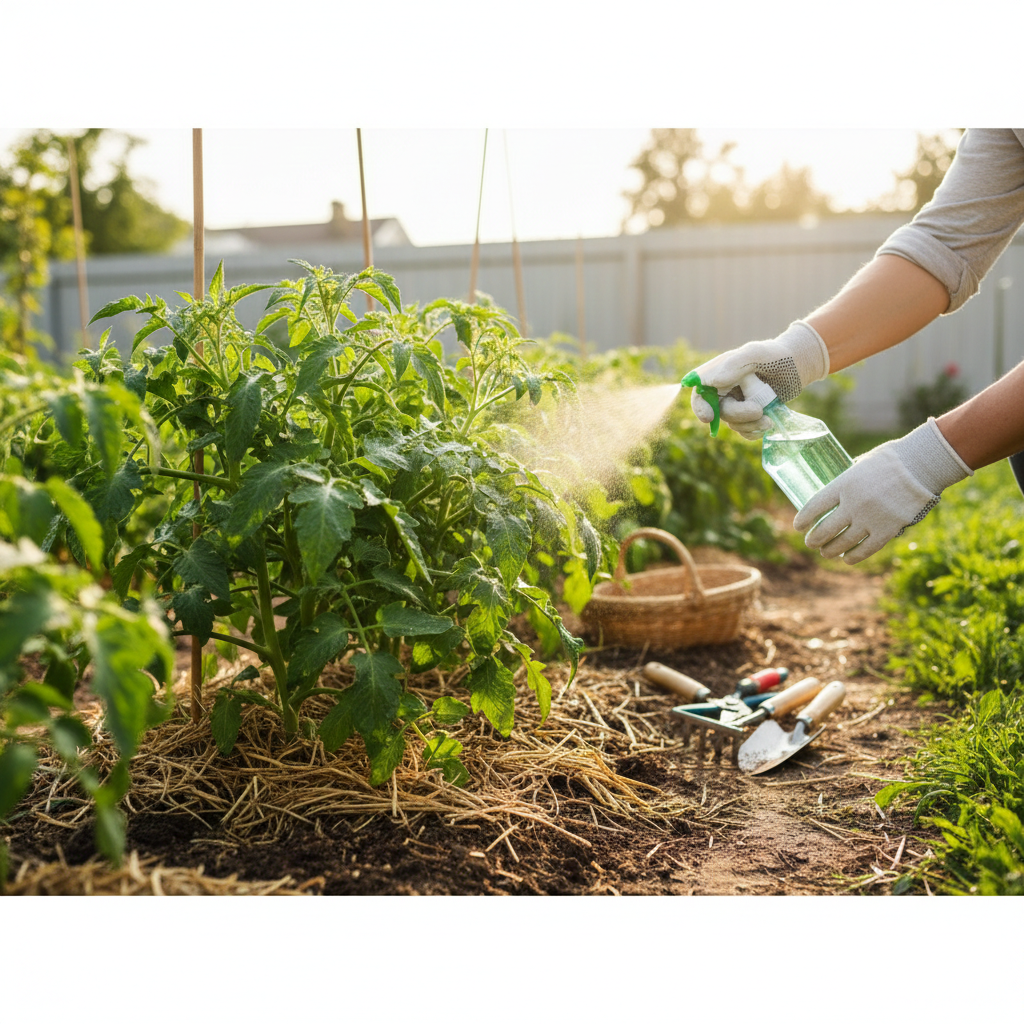
Plant diseases destroy yields, weaken growth, and cost gardeners time and money. The good news? You don’t need synthetic chemicals to protect your plants. These natural ways to prevent plant diseases focus on soil health, airflow, resistant varieties, and organic treatments that stop problems before they start.
In this complete guide, you’ll learn proven, science-backed strategies used by professional growers and organic farmers to keep plants strong and disease-free.
Why Preventing Plant Diseases Naturally Matters
Prevention is easier than cure. Once fungal spores spread or bacteria enter plant tissue, control becomes difficult.
Natural prevention methods:
-
Strengthen plant immunity
-
Improve soil biodiversity
-
Reduce chemical exposure
-
Protect pollinators
-
Maintain long-term soil fertility
Healthy plants resist disease naturally. Weak plants invite it.
What Causes Plant Diseases?
Understanding causes helps prevent outbreaks.
Plant diseases are mainly caused by:
-
Fungi (powdery mildew, blight, rust)
-
Bacteria (leaf spot, wilt)
-
Viruses (mosaic viruses)
-
Nematodes (microscopic soil pests)
According to research from the United States Department of Agriculture, disease occurs when three factors combine:
-
A susceptible plant
-
A pathogen
-
Favorable environment
This is called the Disease Triangle. Remove one side, and disease cannot develop.
1. Build Healthy Soil First
Soil health is the foundation of natural disease prevention.
Add Organic Matter
Compost improves:
-
Microbial diversity
-
Drainage
-
Nutrient balance
-
Root strength
Healthy microbes outcompete harmful pathogens.
Apply 1–2 inches of compost yearly.
Maintain Proper pH
Most plants prefer pH between 6.0 and 7.0.
Incorrect pH weakens nutrient absorption and increases disease susceptibility.
Test soil annually.
Avoid Compacted Soil
Compaction reduces oxygen. Roots suffocate and rot pathogens thrive.
Loosen soil gently. Never work wet soil.
2. Choose Disease-Resistant Varieties
Prevention starts before planting.
Many seed packets label resistance as:
-
V (Verticillium wilt)
-
F (Fusarium wilt)
-
N (Nematodes)
-
PM (Powdery mildew)
Resistant varieties reduce disease risk dramatically.
Check recommendations from your local agricultural extension service.
3. Practice Proper Plant Spacing
Overcrowding traps moisture and blocks airflow.
Fungal diseases love humidity.
Space plants to:
-
Allow sunlight penetration
-
Improve air circulation
-
Reduce leaf contact
Good airflow dries leaves faster and limits spore growth.
4. Water Correctly
Improper watering is a leading cause of plant disease.
Water at Soil Level
Wet leaves encourage fungal infection.
Use:
-
Drip irrigation
-
Soaker hoses
-
Hand watering at base
Avoid overhead watering when possible.
Water in the Morning
Morning watering allows foliage to dry quickly.
Evening watering leaves moisture overnight. That increases fungal risk.
5. Rotate Crops Every Season
Crop rotation interrupts disease cycles.
Do not plant the same family in the same spot yearly.
Example rotation:
-
Year 1: Tomatoes (nightshade family)
-
Year 2: Beans (legumes)
-
Year 3: Lettuce (leafy greens)
This reduces soil-borne pathogens like blight and wilt.
6. Remove Infected Plants Immediately
Early action prevents spread.
If you notice:
-
Yellowing with spots
-
Moldy patches
-
Wilting without dryness
-
Distorted leaves
Remove infected leaves or entire plants.
Never compost diseased material unless your compost reaches high heat levels.
7. Use Natural Antifungal Sprays
Organic sprays help prevent outbreaks.
Neem Oil
Neem oil works as:
-
Antifungal
-
Insect deterrent
-
Growth regulator
Apply every 7–14 days preventively.
Baking Soda Spray
Mix:
-
1 teaspoon baking soda
-
1 quart water
-
Few drops dish soap
Helps prevent powdery mildew.
Compost Tea
Aerated compost tea introduces beneficial microbes.
Spray on leaves to create a protective microbial barrier.
Research supported by agricultural institutions shows microbial competition suppresses pathogens.
8. Improve Garden Hygiene
Clean gardens reduce infection sources.
Disinfect Tools
Sterilize pruning shears between plants using:
-
70% alcohol
-
Bleach solution (1:9 ratio)
Remove Plant Debris
Old leaves harbor fungal spores.
Clear debris regularly, especially in fall.
9. Encourage Beneficial Insects
Some insects reduce disease indirectly by controlling pests.
Aphids spread viruses. Ladybugs control aphids.
Plant flowers like:
-
Dill
-
Marigold
-
Alyssum
Healthy ecosystems reduce disease naturally.
10. Apply Mulch Properly
Mulch prevents soil splash.
Rain can splash fungal spores from soil onto leaves.
Use:
-
Straw
-
Wood chips
-
Shredded leaves
Keep mulch 2 inches away from stems to prevent rot.
11. Strengthen Plants Naturally
Stronger plants resist disease better.
Use Seaweed Extract
Improves stress tolerance and root development.
Apply Balanced Organic Fertilizer
Excess nitrogen causes soft growth. Soft growth attracts disease.
Feed moderately.
12. Control Humidity in Greenhouses
If growing indoors:
-
Ventilate daily
-
Use fans
-
Avoid overcrowding
Humidity above 85% increases fungal outbreaks.
13. Solarize Soil (For Severe Cases)
Soil solarization uses sun heat to kill pathogens.
Steps:
-
Water soil deeply
-
Cover with clear plastic
-
Leave for 4–6 weeks in hot season
This reduces fungal spores and nematodes.
14. How to Prevent Fungal Diseases Naturally?
To prevent fungal plant diseases naturally:
-
Improve air circulation
-
Water at soil level
-
Use mulch to prevent splash
-
Apply neem oil preventively
-
Remove infected leaves immediately
-
Rotate crops annually
-
Avoid over-fertilizing
Consistency matters more than intensity.
15. Common Plant Diseases and Natural Prevention
Powdery Mildew
White powder on leaves.
Prevention:
-
Increase airflow
-
Spray baking soda solution
-
Use resistant varieties
Blight
Dark lesions on stems and leaves.
Prevention:
-
Crop rotation
-
Remove infected plants
-
Mulch soil
Root Rot
Caused by overwatering.
Prevention:
-
Improve drainage
-
Avoid waterlogging
-
Use raised beds
Signs Your Prevention Plan Is Working
You’ll notice:
-
Thick green foliage
-
Strong stems
-
Consistent growth
-
Minimal leaf spotting
Healthy soil smells earthy, not sour.
Mistakes to Avoid
-
Overwatering
-
Ignoring early symptoms
-
Overcrowding plants
-
Reusing infected soil
-
Overusing nitrogen fertilizer
Small mistakes lead to big outbreaks.
Seasonal Checklist for Disease Prevention
Spring
-
Test soil
-
Add compost
-
Space plants properly
Summer
-
Monitor leaves weekly
-
Apply preventative sprays
-
Water early mornings
Fall
-
Remove debris
-
Rotate crops
-
Clean tools
Winter
-
Plan resistant varieties
-
Study last season’s problems
Prevention is year-round.
Final Thoughts on Natural Ways to Prevent Plant Diseases
Natural ways to prevent plant diseases focus on balance, not chemicals. Healthy soil, smart watering, proper spacing, and preventive care stop problems before they begin.
When you apply these methods consistently, you reduce outbreaks dramatically. Your plants grow stronger, yields improve, and your garden becomes self-sustaining.
Start with soil health. Improve airflow. Water correctly. Rotate crops. Act early.
That is how you win the battle against plant diseases naturally.