
Modern vs Rustic Garden Design: Which Style Fits Your Space?
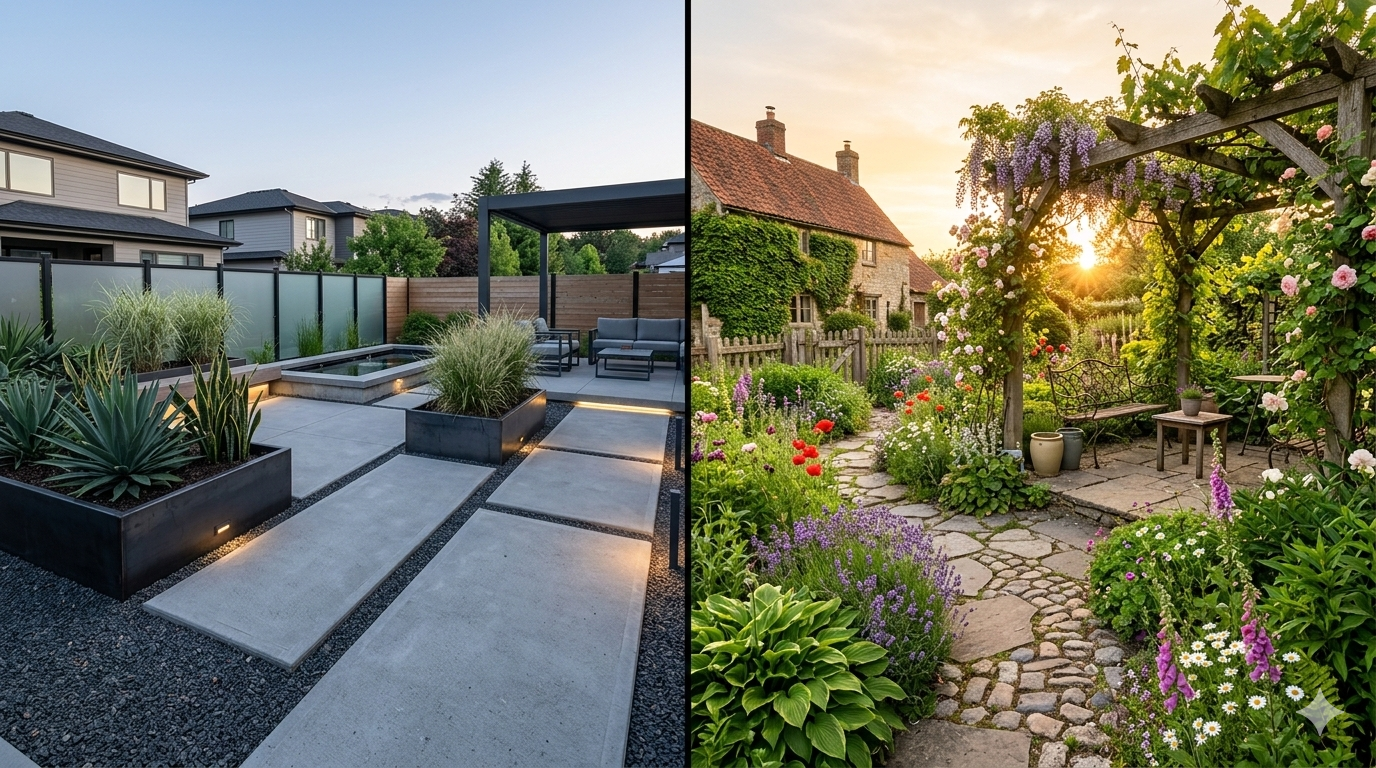
Before we dive into layouts, materials, and plants, let’s answer the real question: Modern vs Rustic Garden Design: Which Style Fits Your Space?
This is not just about looks. It is about lifestyle, maintenance, budget, climate, and how you want to feel every time you step outside.
Some gardens look like architectural statements. Clean lines, minimal plants, structured layouts. Others feel like countryside retreats. Natural textures, wild blooms, weathered wood.
Today, we break everything down. No fluff. Just clarity.
What Is Modern Garden Design?

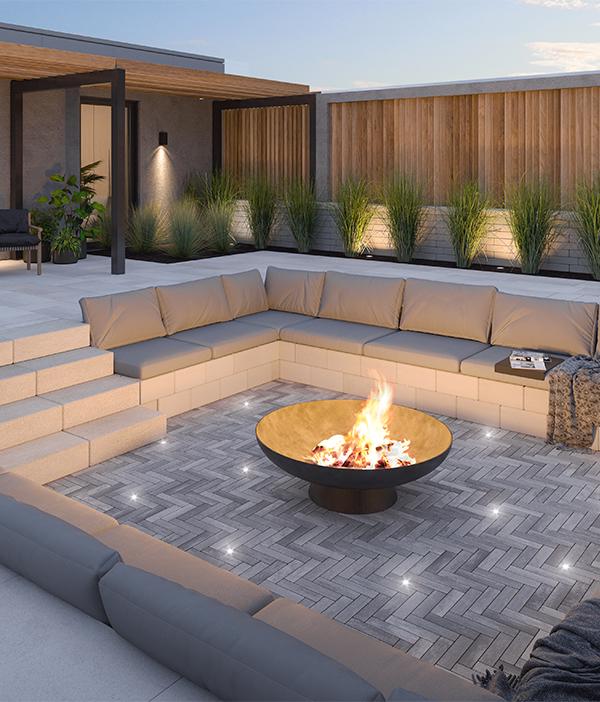

Modern garden design is structured, minimalist, and intentional.
It focuses on geometry, simplicity, and functionality.
Core Characteristics
-
Clean lines
-
Symmetry or strong structure
-
Neutral color palette
-
Hardscaping dominance
-
Limited plant varieties
-
Architectural lighting
Modern gardens often integrate:
-
Concrete or porcelain pavers
-
Steel planters
-
Glass railings
-
Composite decking
-
Linear water features
The layout is precise. Nothing feels random.
What Is Rustic Garden Design?


Rustic garden design feels organic and lived-in.
It embraces nature rather than controlling it.
Core Characteristics
-
Natural materials
-
Irregular layouts
-
Abundant planting
-
Warm, earthy colors
-
Weathered textures
Rustic gardens often include:
-
Natural stone paths
-
Wooden pergolas
-
Wildflower borders
-
Gravel walkways
-
Clay pots
It feels relaxed. Imperfect in a beautiful way.
Modern vs Rustic Garden Design: Key Differences
1. Layout Structure
Modern Garden
-
Geometric
-
Straight lines
-
Defined zones
-
Open negative space
Rustic Garden
-
Curved paths
-
Layered planting
-
Natural flow
-
Dense greenery
If you love order, modern fits.
If you love movement and softness, rustic wins.
2. Materials Used
Modern Materials
-
Concrete
-
Steel
-
Glass
-
Porcelain
-
Composite decking
Rustic Materials
-
Natural stone
-
Brick
-
Timber
-
Gravel
-
Terracotta
According to design principles shared by the Royal Horticultural Society (RHS), material consistency defines visual harmony in outdoor spaces. Modern uses fewer materials. Rustic mixes textures.
3. Plant Selection
Modern Planting Style
-
Structural plants
-
Repetition
-
Evergreen dominance
-
Sculptural species
Examples:
-
Boxwood
-
Ornamental grasses
-
Bamboo
-
Succulents
Plants are often arranged in grids.
Rustic Planting Style
-
Mixed species
-
Flower diversity
-
Seasonal blooms
-
Cottage-style layering
Examples:
-
Lavender
-
Roses
-
Foxglove
-
Hydrangeas
Rustic gardens feel fuller and more colorful.
4. Maintenance Level
This is critical.
Modern Garden Maintenance
-
Lower weeding
-
Controlled growth
-
Fewer plant types
-
Easier irrigation control
However:
-
Hardscape cleaning required
-
Precise trimming needed
Rustic Garden Maintenance
-
Higher pruning
-
Seasonal plant rotation
-
More pest management
-
Lawn or meadow care
Rustic gardens require attention. But they reward you with life and biodiversity.
5. Cost Comparison
Costs vary by region, but trends remain consistent.
Modern Gardens
-
Higher upfront cost
-
Expensive materials
-
Professional installation required
-
Lower long-term plant cost
Rustic Gardens
-
Lower hardscape cost
-
Higher plant investment
-
DIY-friendly
-
Ongoing seasonal expense
Concrete and steel raise budgets. Wildflowers reduce them.
Which Garden Style Fits Small Spaces?
Best for Small Urban Yards
Modern design performs better in:
-
City homes
-
Rooftop gardens
-
Courtyards
-
Narrow side yards
Clean lines create visual expansion.
Minimal clutter increases perceived space.
Best for Large Landscapes
Rustic design thrives in:
-
Suburban homes
-
Country properties
-
Farmhouses
-
Large backyards
Space allows layered planting to breathe.
Climate Considerations
Climate matters more than aesthetics.
Modern Gardens in Hot Climates
-
Use drought-resistant plants
-
Incorporate shade structures
-
Light-colored pavers reduce heat
Succulents and grasses perform well.
Rustic Gardens in Cooler Climates
-
Cottage flowers thrive
-
Rich soil supports biodiversity
-
Seasonal change enhances visual appeal
Rustic gardens shine where seasons are defined.
How to Decide: 7-Question Framework
Ask yourself:
-
Do I prefer clean or cozy?
-
How much time can I spend on maintenance?
-
Is my yard large or compact?
-
Do I entertain frequently?
-
Do I want strong structure or natural flow?
-
What is my realistic budget?
-
Does my home architecture lean modern or traditional?
Match your answers with the style.
Can You Combine Modern and Rustic Garden Design?
Yes. And this is trending.
Hybrid gardens are becoming popular because they balance structure and warmth.
How to Blend Successfully
-
Use modern layout + rustic plants
-
Combine steel planters with wildflowers
-
Install geometric patios surrounded by soft borders
-
Add reclaimed wood to a modern deck
This creates visual contrast without chaos.
Pros and Cons Summary
Modern Garden Design
Pros
-
Clean aesthetic
-
Easier long-term maintenance
-
Strong resale appeal
-
Great for small spaces
Cons
-
Higher installation cost
-
Can feel sterile
-
Limited biodiversity
Rustic Garden Design
Pros
-
Natural charm
-
Wildlife-friendly
-
Budget-flexible
-
Emotional warmth
Cons
-
Higher maintenance
-
Seasonal unpredictability
-
Can look messy if unmanaged
Psychological Impact of Each Style
This matters more than people think.
Modern Gardens
-
Promote calm
-
Reduce visual noise
-
Encourage focus
-
Feel intentional
Perfect for professionals or minimalists.
Rustic Gardens
-
Increase emotional warmth
-
Encourage relaxation
-
Stimulate senses
-
Feel nostalgic
Ideal for families and nature lovers.
Property Value Impact
According to landscaping market research from sources like HomeAdvisor, outdoor upgrades can increase property value by up to 15%.
Modern gardens:
-
Appeal to urban buyers
-
Signal luxury
Rustic gardens:
-
Appeal to traditional buyers
-
Signal comfort
Choose based on your neighborhood.
Sustainability Comparison
Modern Sustainability
-
Efficient irrigation
-
Drought-tolerant species
-
Reduced lawn area
Rustic Sustainability
-
Supports pollinators
-
Encourages biodiversity
-
Natural compost cycles
Both can be eco-friendly if designed intentionally.
Budget Breakdown Example
$5,000 Budget
Modern:
-
Basic pavers
-
Minimal planting
-
Simple lighting
Rustic:
-
Gravel paths
-
Wildflower beds
-
DIY pergola
$20,000 Budget
Modern:
-
Architectural hardscape
-
Built-in seating
-
Designer lighting
Rustic:
-
Stone patios
-
Mature trees
-
Custom wood structures
Budget shapes style execution.
Modern vs Rustic Garden Design: Quick Comparison Table
| Feature | Modern | Rustic |
|---|---|---|
| Structure | Geometric | Organic |
| Materials | Concrete, steel | Stone, wood |
| Plants | Minimal | Abundant |
| Maintenance | Moderate | Higher |
| Cost | Higher upfront | Variable |
| Best For | Small spaces | Large yards |
Common Mistakes to Avoid
In Modern Gardens
-
Overcomplicating design
-
Ignoring drainage
-
Using too many plant varieties
In Rustic Gardens
-
Overcrowding plants
-
Poor path planning
-
Neglecting pruning schedule
Design discipline prevents regret.
Final Decision: Modern vs Rustic Garden Design
Now we return to the core question:
Modern vs Rustic Garden Design: Which Style Fits Your Space?
If you love precision, minimalism, and structured outdoor living, modern design aligns with your mindset.
If you crave warmth, natural flow, and sensory richness, rustic design feels right.
There is no superior style. Only the one that reflects how you live.
Look at your home.
Look at your time.
Look at your climate.
Then choose intentionally.
Because the right garden does not just decorate your house.
It transforms how you experience it.