
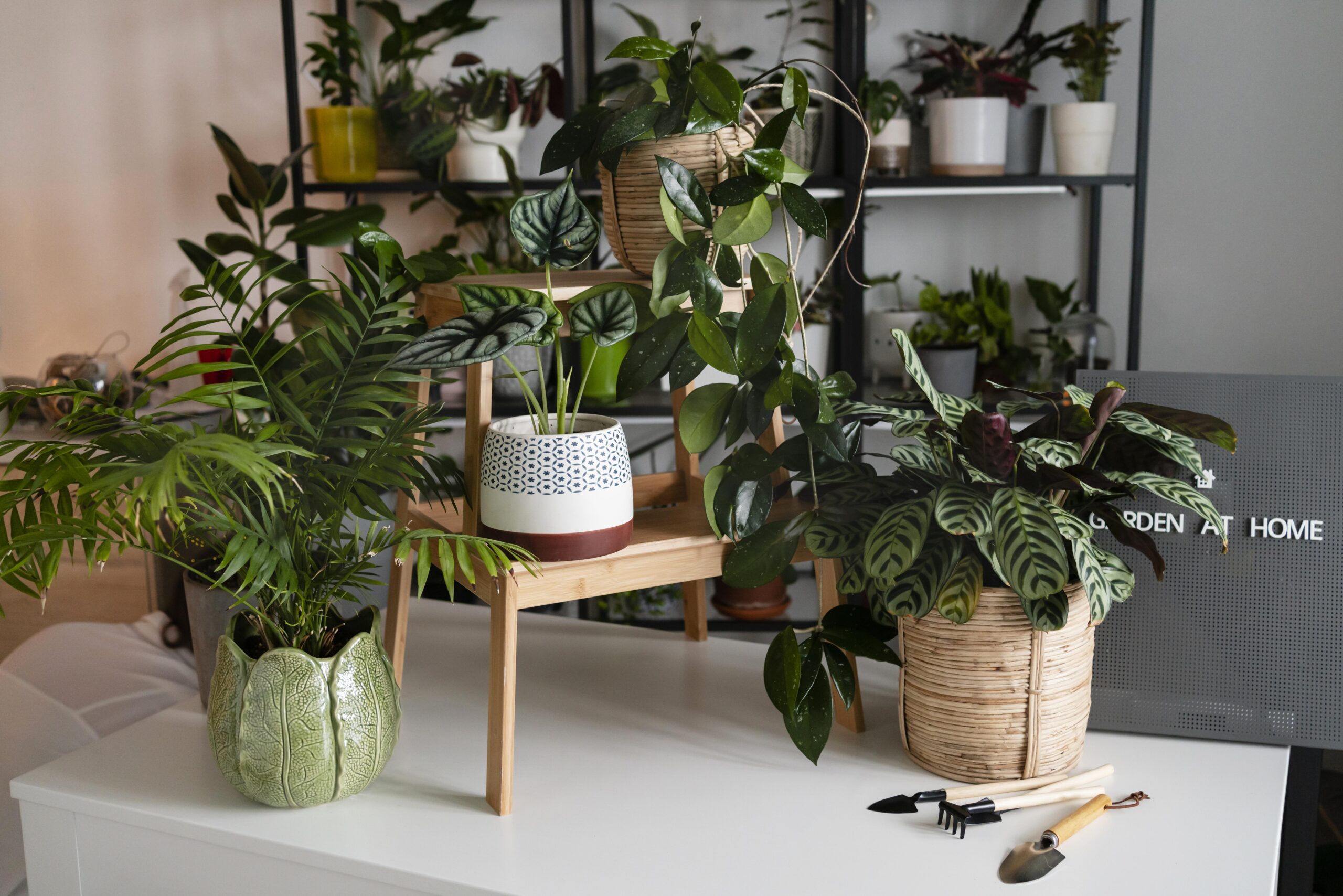
How to Style Plants in Living Rooms
Plants are no longer just a decorative afterthought. They have become central to living room design, transforming spaces into calming, stylish, and visually appealing areas. Styling plants in living rooms requires more than just placing a pot in a corner—it’s about balance, placement, texture, and visual flow. In this guide, we will discuss how to style plants in living rooms, practical placement ideas, plant choices, and creative design tips that make your space feel alive and welcoming.
Why Styling Plants Matters in Living Rooms
Your living room is the heart of your home, and plants enhance both aesthetics and functionality. Here’s why styling plants properly is essential:
-
Visual balance: Correctly placed plants prevent spaces from feeling empty or cluttered.
-
Mood improvement: Greenery has been proven to reduce stress and boost overall well-being.
-
Natural décor: Plants act as furniture and art simultaneously, adding texture and depth.
-
Air purification: Many indoor plants remove toxins, improving indoor air quality.
Styling plants intentionally creates a curated look, rather than a random assortment of pots.
Choosing the Right Plants for Your Living Room
Not all plants work equally well in living rooms. Consider these factors when selecting your greenery:
-
Light availability
-
Bright rooms: Fiddle Leaf Fig, Rubber Plant, Areca Palm
-
Low-light rooms: ZZ Plant, Snake Plant, Pothos
-
-
Size and growth pattern
-
Tall, narrow plants for corners (Fiddle Leaf Fig, Dracaena)
-
Small tabletop plants for shelves and coffee tables (Succulents, Air Plants)
-
-
Maintenance level
-
Busy households: ZZ Plant, Snake Plant, Pothos require minimal care
-
Enthusiasts: Peace Lily, Fiddle Leaf Fig, and climbing plants require more attention
-
-
Aesthetic fit
-
Modern: Minimalist pots, clean lines, geometric planters
-
Boho: Woven baskets, macrame hangers, natural textures
-
Eclectic: Mix of colors, textures, and varied plant shapes
-
Selecting the right plant ensures it thrives and complements your living room décor.
Placement Strategies for Living Room Plants
Placement is key. Even the most beautiful plant looks out of place if positioned incorrectly.
1. Corners
-
Corners are perfect for tall plants like Fiddle Leaf Figs or Rubber Plants.
-
They fill empty spaces and draw the eye upward, creating vertical balance.
-
Combine one tall plant with a small side table plant to add depth.
2. Coffee Tables and Side Tables
-
Small plants like succulents, cacti, or miniature ferns work best here.
-
Use decorative pots to make greenery part of your table styling.
-
Group multiple small plants for a dynamic tabletop display.
3. Floating Shelves
-
Shelves create vertical space for trailing plants like Pothos or Philodendron.
-
Layer plants of different sizes to add visual interest.
-
Avoid overcrowding; leave breathing space between pots.
4. Hanging Planters
-
Ideal for trailing or small plants.
-
Keeps floor and table space free.
-
Hang near windows to maximize natural light.
5. Windowsills
-
Perfect for succulents, herbs, and flowering plants.
-
Ensure sun-loving plants get enough light without overheating.
-
Rotate plants regularly for even growth.
6. Grouped Plant Corners
-
Cluster plants of different heights and textures.
-
Use plant stands to vary levels.
-
Creates a “living corner” that feels intentional and lush.
Styling Tips for a Cohesive Look
Simply placing plants in your living room isn’t enough. Follow these tips to style them like a professional:
1. Mix Heights and Textures
-
Combine tall, medium, and small plants.
-
Use different leaf shapes: broad leaves (Fiddle Leaf Fig), narrow leaves (Snake Plant), trailing vines (Pothos).
-
Variation keeps the display visually interesting.
2. Choose Stylish Planters
-
Use planters that complement your décor.
-
Minimalist spaces: neutral or monochrome pots.
-
Boho style: woven baskets or ceramic pots.
-
Add decorative saucers, trays, or stones to elevate the look.
3. Balance Colors and Shapes
-
Use green as a base, then layer with colored foliage or flowering plants.
-
Avoid overwhelming the room with too many plant colors.
-
Symmetry and repetition create harmony in large living rooms.
4. Consider Plant Health in Styling
-
Avoid placing plants in drafty areas or in direct, harsh sunlight unless suitable.
-
Ensure pots have proper drainage to prevent root rot.
-
Rotate plants occasionally for even growth and sun exposure.
5. Layering and Grouping
-
Place taller plants behind smaller ones to create depth.
-
Group 3–5 plants together for a natural look.
-
Use varying pot sizes to create a cascading effect.
Popular Living Room Plant Choices
1. Fiddle Leaf Fig
-
Large, sculptural leaves make it a statement piece.
-
Thrives in bright, indirect light.
-
Requires weekly watering and occasional leaf wiping.
2. Snake Plant
-
Perfect for low-light corners.
-
Vertical leaves save space and add structure.
-
Extremely low maintenance.
3. Pothos
-
Trailing vines work for shelves, hanging planters, and top of cabinets.
-
Very tolerant of low light and inconsistent watering.
-
Adds softness to angular furniture and décor.
4. Rubber Plant
-
Glossy leaves enhance modern interiors.
-
Can grow tall and upright for corners.
-
Moderate watering and indirect sunlight are ideal.
5. Peace Lily
-
Elegant white flowers and lush green leaves.
-
Low-light friendly.
-
Air-purifying and visually striking in living rooms.
6. ZZ Plant
-
Shiny, waxy leaves.
-
Extremely low maintenance.
-
Survives low-light areas, perfect for offices or apartments.
7. Spider Plant
-
Produces small “babies” for propagation.
-
Works in hanging baskets or on shelves.
-
Thrives in indirect sunlight and tolerates irregular watering.
Styling Plants by Living Room Style
Minimalist Living Rooms
-
Choose 1–2 statement plants.
-
Neutral pots with clean lines.
-
Avoid cluttering; let the plant act as focal décor.
Boho-Chic Living Rooms
-
Layer plants of varying textures and heights.
-
Woven baskets and macrame hangers for a natural feel.
-
Mix trailing, upright, and small tabletop plants for variety.
Modern Living Rooms
-
Use geometric or metallic planters.
-
Symmetry and repetition create a structured appearance.
-
Opt for tall vertical plants in corners for visual impact.
Eclectic Living Rooms
-
Combine unusual pots, colors, and plant shapes.
-
Group plants creatively on shelves or side tables.
-
Balance is key; avoid visual chaos.
Common Styling Mistakes to Avoid
-
Overcrowding: Too many plants can make the room feel chaotic.
-
Ignoring scale: Oversized plants in small spaces overwhelm, while tiny plants in large rooms get lost.
-
Poor lighting: Misplaced plants can die quickly.
-
Neglecting maintenance: Dead leaves or overgrown plants ruin aesthetics.
-
Inconsistent styling: Mixing too many planter styles without a theme can look messy.
Seasonal Styling Tips
-
Rotate plants seasonally for optimal growth and aesthetics.
-
Add seasonal decorations like stones, sand, or ornaments in pots.
-
Flowering plants can be switched with green foliage plants to refresh the room’s look.
Benefits of Styled Living Room Plants
-
Air purification: Removes harmful toxins, improving indoor health.
-
Stress reduction: Greenery has calming effects on the mind.
-
Enhanced décor: Adds texture, color, and life to your living room.
-
Focal points: Statement plants can act as natural sculptures.
-
Connection to nature: Brings a sense of calm and outdoor freshness indoors.
Styled plants are not only decorative—they actively improve living room functionality and ambiance.
Conclusion
Styling plants in living rooms is about more than aesthetics. It’s about creating a balanced, healthy, and visually pleasing environment. Choose the right plants for light and space, mix heights and textures, use appropriate planters, and place plants thoughtfully.
From statement pieces like Fiddle Leaf Figs to trailing Pothos on floating shelves, a well-styled plant display transforms your living room into a lively, calming, and stylish space. By combining practical placement, proper care, and creative design, you can make greenery the centerpiece of your living room without overwhelming your space.