
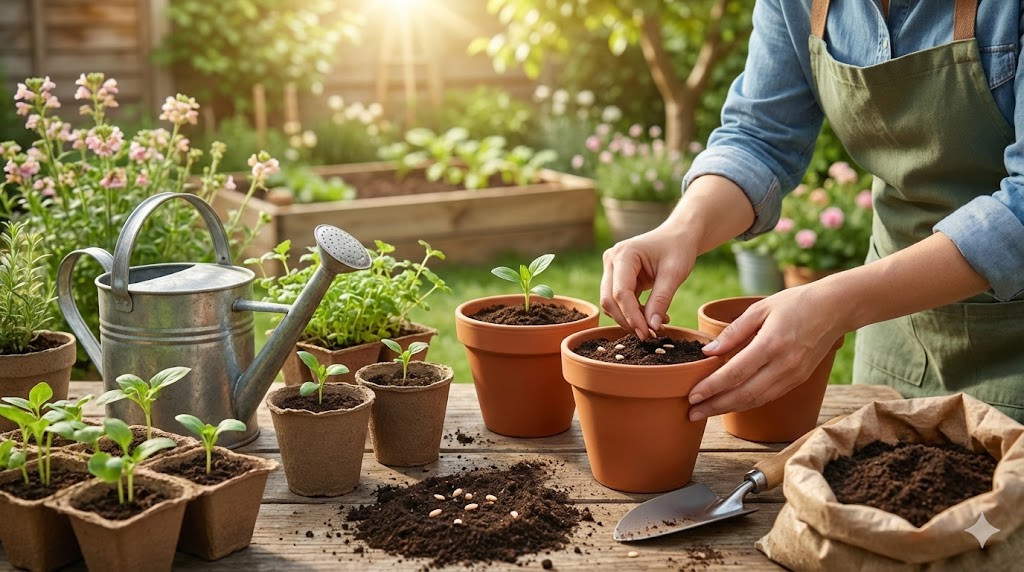
Starting a home garden from scratch may feel overwhelming at first. You might wonder where to begin, what plants to choose, or whether you even have enough space. The good news is that anyone can start a successful home garden with the right approach, even with zero experience.
This guide explains how to start a home garden from scratch in clear, practical steps. It covers planning, soil preparation, plant selection, watering, and long-term care. By the end, you will know exactly what to do and what to avoid.
What Is a Home Garden?
A home garden is a small growing space near your home where you grow plants for food, decoration, or relaxation. It can be:
-
A backyard garden
-
A balcony or rooftop garden
-
A small container garden
-
An indoor garden with pots
You do not need a large yard. Many successful home gardens start in small spaces.
Why Start a Home Garden?
People start home gardens for different reasons, but the benefits are consistent.
-
Fresh, chemical-free vegetables and herbs
-
Lower grocery expenses over time
-
Better mental health and reduced stress
-
A productive and relaxing hobby
-
Improved air quality around your home
Home gardening also helps you reconnect with nature and understand how food grows.
How to Start a Home Garden from Scratch: Step-by-Step
Step 1: Decide What You Want to Grow
Before touching soil or buying tools, decide your goal.
Ask yourself:
-
Do you want vegetables, herbs, flowers, or all three?
-
Do you want fast-growing plants or long-term plants?
-
Will this garden be mainly decorative or productive?
Beginner-friendly plants include:
-
Vegetables: tomatoes, lettuce, spinach, cucumbers
-
Herbs: basil, mint, parsley, coriander
-
Flowers: marigolds, petunias, sunflowers
Start small. Fewer plants mean better care and higher success.
Step 2: Choose the Right Location
The location of your home garden determines its success.
Most plants need:
-
6–8 hours of direct sunlight daily
-
Good airflow
-
Easy access to water
Best locations include:
-
Backyard with open sun exposure
-
Balcony facing east or south
-
Rooftop with partial shade protection
If sunlight is limited, choose shade-tolerant plants like mint, spinach, or indoor plants.
Step 3: Decide Between Ground, Raised Beds, or Containers
There are three main ways to start a home garden.
Ground Garden
-
Best for large spaces
-
Requires soil preparation
-
Long-term setup
Raised Bed Garden
-
Better drainage
-
Easier weed control
-
Ideal for beginners with yards
Container Garden
-
Perfect for apartments and balconies
-
Easy to manage
-
Requires frequent watering
For beginners, container gardening is often the easiest way to start a home garden from scratch.
Step 4: Understand Your Soil
Healthy soil is the foundation of every successful garden.
Good garden soil should be:
-
Loose and well-draining
-
Rich in organic matter
-
Free from debris and stones
Basic soil mix for beginners:
-
Garden soil or potting soil
-
Compost or organic matter
-
Sand or coco peat for drainage
Avoid using plain construction soil. It compacts easily and blocks root growth.
Step 5: Prepare the Soil Properly
Soil preparation improves plant growth and prevents problems later.
For ground or raised beds:
-
Remove weeds and stones
-
Loosen soil 8–12 inches deep
-
Mix compost evenly
For containers:
-
Use pre-made potting mix
-
Ensure drainage holes exist
-
Avoid garden soil in pots
Healthy soil reduces pests, diseases, and watering issues.
Step 6: Choose Seeds or Seedlings
Beginners often ask whether seeds or seedlings are better.
Seeds
-
Cheaper
-
More variety
-
Require patience
Seedlings
-
Faster results
-
Easier for beginners
-
Higher success rate
If you are starting a home garden from scratch, use seedlings for your first season.
Step 7: Plant at the Right Time
Planting at the wrong time leads to poor growth.
General guidelines:
-
Cool-season plants: lettuce, spinach, peas
-
Warm-season plants: tomatoes, peppers, cucumbers
Check your local planting calendar or seasonal weather patterns before planting.
Avoid planting during extreme heat or cold.
Step 8: Water Correctly (Not Too Much)
Overwatering is one of the most common beginner mistakes.
Proper watering tips:
-
Water early morning or late evening
-
Water soil, not leaves
-
Check soil moisture before watering
If the top inch of soil is dry, it is time to water.
Containers dry faster than ground gardens, so check them daily.
Step 9: Learn Basic Plant Care
Home gardening is not just planting and waiting.
Essential care tasks include:
-
Removing weeds regularly
-
Checking plants for pests
-
Supporting tall plants with stakes
-
Pruning dead or damaged leaves
Healthy plants grow better and resist diseases naturally.
Step 10: Protect Your Garden from Pests Naturally
Pests are normal in any garden.
Common garden pests include:
-
Aphids
-
Caterpillars
-
Whiteflies
Natural pest control methods:
-
Neem oil spray
-
Soap water solution
-
Removing pests by hand
-
Encouraging beneficial insects
Avoid harsh chemicals, especially in home gardens.
Essential Tools for Starting a Home Garden
You do not need expensive tools.
Basic tools include:
-
Hand trowel
-
Watering can or hose
-
Gardening gloves
-
Pruning scissors
-
Small shovel
Start with basics and upgrade as needed.
Common Mistakes to Avoid When Starting a Home Garden
Avoiding mistakes saves time and effort.
-
Starting with too many plants
-
Ignoring sunlight requirements
-
Overwatering or underwatering
-
Using poor-quality soil
-
Expecting instant results
Gardening is a learning process. Mistakes are part of growth.
How Long Does It Take for a Home Garden to Grow?
Growth time depends on the plant type.
-
Herbs: 2–4 weeks
-
Leafy vegetables: 3–6 weeks
-
Fruiting vegetables: 2–3 months
Consistency matters more than speed.
Can You Start a Home Garden with No Experience?
Yes. Many successful gardeners started with no experience.
Focus on:
-
Simple plants
-
Small scale
-
Learning from observation
Every season improves your skills.
Indoor vs Outdoor Home Gardening
Indoor Gardening
-
Controlled environment
-
Limited sunlight
-
Ideal for herbs and small plants
Outdoor Gardening
-
Natural sunlight
-
More space
-
Better for vegetables and flowers
Choose what fits your lifestyle and space.
How to Maintain Your Home Garden Long-Term
Long-term success depends on routine care.
-
Check plants weekly
-
Refresh soil with compost
-
Rotate crops each season
-
Clean tools regularly
A well-maintained garden becomes easier over time.
Frequently Asked Questions
How much space do I need to start a home garden?
You can start with as little as one pot on a balcony or windowsill.
Is home gardening expensive?
Initial setup is low-cost. Over time, gardening saves money.
Can I garden year-round?
Yes, with seasonal plants or indoor gardening methods.