
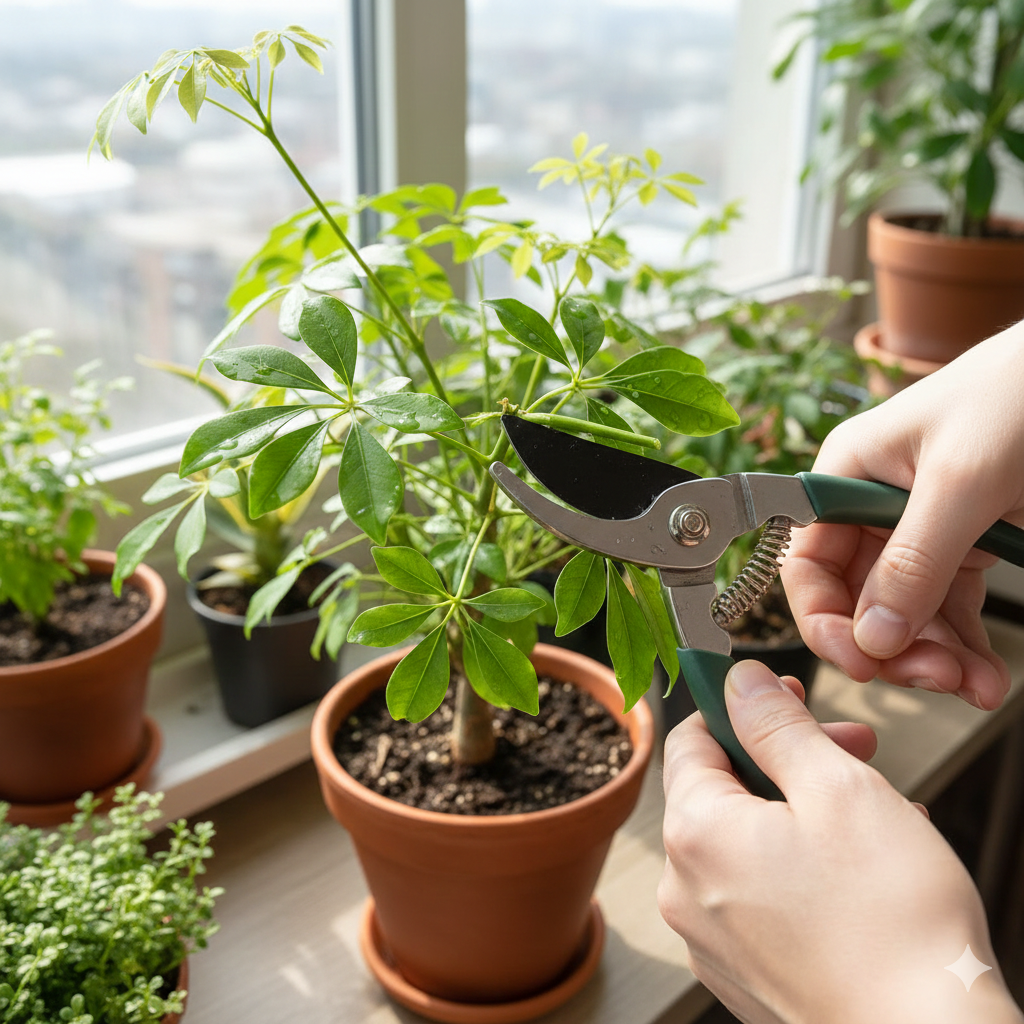
Pruning is one of the most important tasks for gardeners, yet it’s often misunderstood. Done incorrectly, it can stunt growth or damage plants permanently. Done correctly, it improves plant health, encourages flowering, enhances fruit production, and maintains attractive shapes. This guide explains how to prune plants the right way, covering every essential step for beginners and experienced gardeners.
Why Pruning Matters
Pruning isn’t just about making plants look neat. Its benefits include:
-
Improved plant health: Removing dead or diseased branches prevents infections from spreading.
-
Enhanced growth: Proper pruning stimulates new shoots and stronger stems.
-
Better flowering and fruiting: Directing energy to main branches increases blooms and yields.
-
Shape and structure control: Maintains aesthetically pleasing and safe plant forms.
Understanding why each cut matters ensures that pruning is both effective and safe.
Tools You Need for Proper Pruning
Having the right tools is crucial. Using dull or inappropriate tools can harm plants.
-
Pruning shears: For small branches and stems up to ¾ inch thick.
-
Loppers: For thicker branches up to 2 inches in diameter.
-
Pruning saw: For large branches or older trees.
-
Gloves: Protect hands from thorns and rough bark.
-
Disinfectant: Clean tools to prevent disease spread between plants.
Always sharpen your tools regularly. Clean cuts heal faster than ragged ones.
When to Prune Plants
Timing is key. Pruning at the wrong time can reduce flowering or fruiting.
1. Early Spring
-
Ideal for deciduous trees and shrubs before new growth starts.
-
Removes dead or damaged branches accumulated over winter.
2. Late Winter
-
Suitable for dormant fruit trees.
-
Encourages strong growth in spring.
3. After Flowering
-
Best for spring-flowering shrubs (e.g., lilacs, azaleas).
-
Trim after blooms fade to avoid cutting off next year’s buds.
4. Summer
-
Light pruning can control size and remove weak growth.
-
Avoid heavy pruning during hot weather; it stresses the plant.
Basic Pruning Techniques
Understanding the right cuts ensures plants remain healthy and grow correctly.
1. Thinning
-
Remove entire branches at their base.
-
Opens up dense growth for air and sunlight circulation.
-
Best for trees and shrubs to reduce overcrowding.
2. Heading Back
-
Cut a branch back to a bud or side branch.
-
Stimulates lateral growth and bushier plants.
-
Ideal for shaping hedges and ornamental plants.
3. Pinching
-
Remove only the tip of soft stems with fingers or shears.
-
Encourages compact growth and more flowers.
-
Perfect for herbs, annual flowers, and young shrubs.
4. Deadheading
-
Remove spent flowers to prevent seed formation.
-
Redirects energy to new blooms or fruit production.
-
Works well for roses, marigolds, and petunias.
5. Renewal Pruning
-
Remove old, unproductive branches from shrubs.
-
Promotes new, vigorous growth from the base.
-
Common for berry bushes and flowering shrubs.
How to Prune Different Types of Plants
Different plants have different pruning needs.
1. Trees
-
Remove dead, damaged, or crossing branches.
-
Maintain a central leader for most deciduous trees.
-
Avoid removing more than 25% of live branches per year.
2. Shrubs
-
Thin older stems to encourage new growth.
-
Prune for shape and to prevent overcrowding.
-
Summer-flowering shrubs benefit from light shaping.
3. Fruit Plants
-
Prune to improve airflow and sunlight exposure.
-
Remove weak, inward-growing, or crowded branches.
-
Maintain a balance between vegetative growth and fruit production.
4. Roses
-
Cut back to outward-facing buds for healthy shape.
-
Remove all dead or diseased wood.
-
Deadhead frequently to encourage continuous blooming.
5. Vines and Climbers
-
Prune lateral shoots to control spread.
-
Remove old stems to encourage new, flowering shoots.
-
Support remaining stems on trellises or frames.
Step-by-Step Guide to Pruning Plants the Right Way
-
Assess the plant
-
Look for dead, damaged, or diseased branches.
-
Identify branches crossing or growing inward.
-
-
Choose the right tool
-
Use shears for small cuts, loppers or saw for thick branches.
-
-
Make clean cuts
-
Cut at a slight angle above a bud or branch junction.
-
Avoid leaving stubs; they invite pests and disease.
-
-
Remove problem branches first
-
Dead, diseased, or broken branches come first.
-
-
Shape and thin
-
Open the canopy to allow sunlight and airflow.
-
Keep the plant’s natural shape in mind.
-
-
Dispose of debris
-
Remove pruned material to prevent fungal disease or pests.
-
-
Clean your tools
-
Disinfect shears to prevent transferring diseases.
-
Common Pruning Mistakes to Avoid
-
Cutting too much at once; stresses the plant and reduces growth.
-
Pruning at the wrong season; can reduce flowers or fruit.
-
Leaving stubs or cutting flush; invites disease.
-
Ignoring safety; falling branches or sharp tools can injure you.
-
Using dull tools; ragged cuts delay healing.
Tips for Healthy Growth After Pruning
-
Water plants immediately if pruning is heavy.
-
Apply mulch to protect roots and retain moisture.
-
Fertilize lightly to support new growth.
-
Monitor for signs of pests or disease on fresh cuts.
-
Avoid pruning during extreme heat or frost.
Quick Reference Table: Pruning Guidelines
| Plant Type | Best Time | Method | Key Tip |
|---|---|---|---|
| Deciduous Trees | Late Winter/Early Spring | Thinning, Heading | Keep central leader intact |
| Flowering Shrubs | After Flowering | Renewal, Pinching | Avoid cutting next year’s buds |
| Fruit Trees | Dormant Season | Thinning, Heading | Balance vegetative and fruit growth |
| Roses | Early Spring | Heading, Deadheading | Cut to outward-facing buds |
| Vines/Climbers | After Fruiting | Lateral shoot pruning | Support on trellis |
FAQs
Q1: Can pruning harm my plant?
-
Only if done excessively, at the wrong time, or with dull tools. Proper pruning improves plant health.
Q2: How often should I prune?
-
Depends on the plant. Trees: once a year; shrubs: 1-2 times; flowering annuals: regularly for blooms.
Q3: Should I prune diseased branches?
-
Yes. Always remove infected parts and disinfect tools to prevent spreading.
Q4: How much should I prune at once?
-
Never more than 25-30% of live growth per session. Heavy cuts stress the plant.
Q5: Do all plants need pruning?
-
Not all, but most benefit from occasional trimming for health, shape, and productivity.
Conclusion
Pruning is essential for healthy, productive, and visually appealing plants. By learning how to prune plants the right way, gardeners can:
-
Remove dead or diseased branches efficiently
-
Promote vigorous growth and higher yields
-
Shape plants naturally and maintain proper structure
-
Prevent pests and diseases from spreading
Consistent, careful pruning ensures long-term plant health and maximizes flowering and fruit production. Mastering these techniques turns any garden into a thriving, organized, and attractive space.