
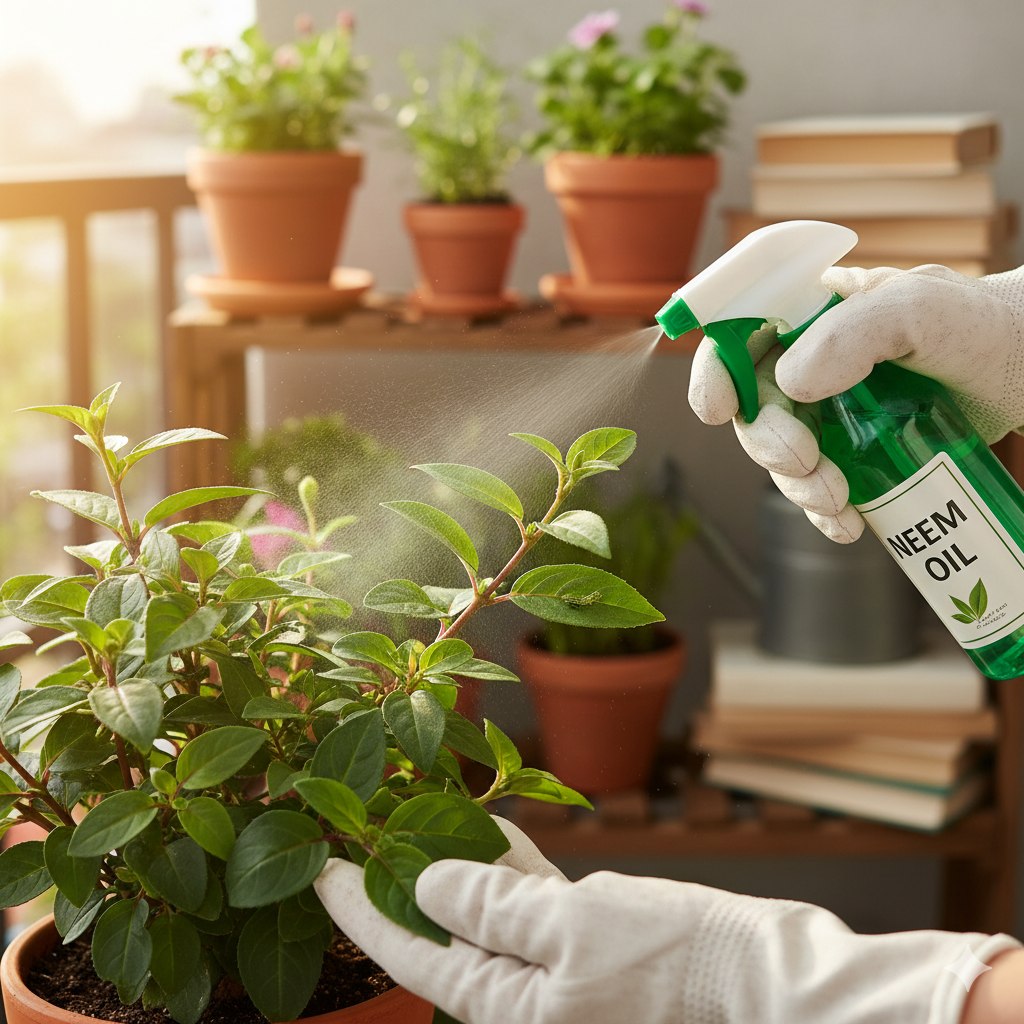
Gardening is a rewarding activity, but pests can quickly destroy months of effort. From aphids and caterpillars to slugs and fungal insects, common garden pests can attack plants at any stage of growth. Protecting your plants requires knowledge, preventive strategies, and timely action.
In this guide, we cover practical, proven methods to safeguard your garden, including natural remedies, preventive measures, and plant-specific care tips that work all year.
Why Protecting Plants from Pests is Crucial
Garden pests can:
-
Damage leaves, stems, and flowers, reducing plant growth
-
Transmit diseases that weaken or kill plants
-
Decrease crop yields and affect flowering or fruit production
Preventive pest management not only saves plants but also reduces the need for harsh chemical pesticides, keeping your garden organic and eco-friendly.
Common Garden Pests and How to Identify Them
Before you can protect plants, you need to recognize pests early:
1. Aphids
-
Small, soft-bodied insects, often green, yellow, or black
-
Cluster on new growth, sucking sap
-
Signs: Curling leaves, sticky honeydew residue
2. Caterpillars
-
Larvae of moths or butterflies
-
Eat leaves and stems quickly
-
Signs: Holes in leaves, droppings on soil
3. Slugs and Snails
-
Soft-bodied mollusks that feed at night
-
Signs: Irregular holes in leaves, silvery slime trails
4. Spider Mites
-
Tiny, red or brown, often forming webs on leaf undersides
-
Signs: Yellow speckled leaves, webbing
5. Whiteflies
-
Small, white, flying insects
-
Feed on leaf undersides
-
Signs: Wilting, yellowing, sticky residue
6. Leaf Miners
-
Larvae that tunnel inside leaves
-
Signs: White or brown trails on leaves
7. Mealybugs
-
White, cottony insects
-
Feed on plant sap, weakening the plant
-
Signs: Sticky residue, stunted growth
Preventive Strategies to Protect Plants
Prevention is more effective than cure. Healthy plants are less susceptible to pests.
1. Choose Pest-Resistant Varieties
-
Select cultivars known for resistance to aphids, mildew, or other pests
-
Example: Marigolds repel nematodes naturally
2. Maintain Healthy Soil
-
Fertile soil promotes strong plant growth, reducing vulnerability
-
Add compost or organic fertilizers
-
Avoid excessive nitrogen, which attracts aphids and leaf miners
3. Rotate Crops Annually
-
Prevents pests from building up in soil
-
Reduces disease transmission
4. Practice Proper Spacing
-
Crowded plants encourage humidity and pest infestations
-
Maintain recommended distances for airflow and sunlight
5. Mulching
-
Mulch suppresses weeds that harbor pests
-
Keeps soil moist, discouraging some insects
-
Use organic mulches like straw, leaves, or bark
6. Regular Monitoring
-
Inspect plants weekly for early signs of pests
-
Check leaf undersides, stems, and soil surface
-
Early detection prevents large infestations
Natural Methods to Protect Plants
Using organic methods avoids chemical buildup and keeps beneficial insects alive.
1. Introduce Beneficial Insects
-
Ladybugs: Feed on aphids and mealybugs
-
Lacewings: Eat aphids and caterpillars
-
Parasitic wasps: Control whiteflies and leaf miners
2. Use Homemade Sprays
-
Neem oil: Effective against aphids, mites, and whiteflies
-
Soap spray: Mild dish soap + water controls soft-bodied pests
-
Garlic or chili spray: Repels insects naturally
3. Handpicking and Trapping
-
Remove slugs and caterpillars manually
-
Use beer traps for slugs or sticky traps for flying insects
4. Companion Planting
-
Plant pest-repellent species near susceptible crops
-
Examples: Basil near tomatoes, marigolds around vegetables
5. Diatomaceous Earth
-
Sprinkle around plants to deter crawling pests like slugs and beetles
-
Safe for pets and humans
Seasonal Pest Protection Tips
Different pests peak in different seasons. Adapting your care prevents infestations year-round.
Spring
-
Monitor aphids and caterpillars as plants start growing
-
Apply neem oil early to prevent population explosion
-
Use row covers to protect seedlings from moths
Summer
-
Watch for spider mites in hot, dry weather
-
Mulch and water properly to reduce stress, which attracts pests
-
Remove diseased leaves immediately
Fall
-
Clean up fallen leaves to remove overwintering insects
-
Harvest remaining crops to avoid pest buildup
-
Apply dormant oil sprays to fruit trees
Winter
-
Protect potted plants indoors from mealybugs and spider mites
-
Inspect stored bulbs or seeds before planting
-
Use greenhouses or cloches to reduce pest access
Plant-Specific Pest Protection
Different plants attract specific pests. Targeted care is more effective.
Vegetables
-
Tomatoes: Aphids, whiteflies → use neem oil and companion planting
-
Cabbage: Caterpillars → row covers, handpick eggs and larvae
-
Carrots: Carrot flies → rotate crops, mulch soil
Flowers
-
Roses: Aphids, spider mites → prune and apply insecticidal soap
-
Marigolds: Repel nematodes → plant as a companion crop
-
Sunflowers: Birds and beetles → use netting if needed
Fruit Trees
-
Apple and pear trees: Codling moth → remove fallen fruit, use pheromone traps
-
Citrus trees: Scale insects → prune and apply horticultural oil
-
Berry bushes: Spider mites → maintain soil moisture, introduce predatory insects
Common Mistakes to Avoid
-
Overwatering: Attracts fungal pests and slugs
-
Ignoring early signs: Small infestations become unmanageable quickly
-
Using harsh chemicals indiscriminately: Kills beneficial insects
-
Neglecting garden hygiene: Fallen leaves and weeds harbor pests
-
Planting the same crop repeatedly: Encourages pest buildup
Integrated Pest Management (IPM) Approach
IPM combines prevention, monitoring, and control for long-term protection.
-
Prevention: Healthy soil, proper spacing, resistant varieties
-
Monitoring: Weekly inspections and sticky traps
-
Control: Natural predators, organic sprays, pruning, traps
-
Evaluation: Track pest populations and plant health regularly
This method minimizes chemical use and ensures a sustainable garden ecosystem.
Quick Pest Protection Reference Table
| Pest Type | Signs | Natural Protection | Prevention Tips |
|---|---|---|---|
| Aphids | Curling leaves, sticky honeydew | Ladybugs, neem oil, soap spray | Fertilize moderately, inspect weekly |
| Caterpillars | Holes in leaves, droppings | Handpick, neem oil, row covers | Plant resistant varieties, rotate crops |
| Slugs & Snails | Irregular holes, slime trails | Beer traps, diatomaceous earth | Mulch and avoid overwatering |
| Spider Mites | Yellow speckles, webbing | Predatory mites, neem oil | Water regularly, maintain humidity |
| Whiteflies | Yellowing leaves, sticky residue | Parasitic wasps, soap spray | Companion planting, prune infected leaves |
| Mealybugs | Cottony patches, stunted growth | Ladybugs, neem oil | Avoid overcrowding, check plants before bringing indoors |
FAQs
Q1: Can I prevent all garden pests naturally?
-
Most pests can be managed with prevention and early intervention. Total elimination is unrealistic, but damage can be minimized naturally.
Q2: How often should I inspect my plants?
-
Inspect plants weekly, including leaf undersides, stems, and soil. Early detection prevents large infestations.
Q3: Are neem oil and soap sprays safe for all plants?
-
Yes, if diluted properly. Test on a small leaf first to avoid burning sensitive plants.
Q4: Do companion plants really repel pests?
-
Yes, plants like marigolds, basil, and garlic release natural compounds that deter certain pests, reducing infestations.
Q5: Should I prune infected leaves immediately?
-
Absolutely. Removing infected leaves stops pest spread and prevents disease development.
Conclusion
Protecting plants from common garden pests requires consistent monitoring, preventive strategies, and timely intervention. By combining natural remedies, seasonal care, and plant-specific methods, gardeners can:
-
Reduce pest damage
-
Improve plant health and yields
-
Maintain an eco-friendly, chemical-free garden
Following this comprehensive pest protection checklist ensures your garden thrives all year. Regular care, vigilance, and sustainable methods are the keys to a healthy, productive garden free from pests.
Ernestopro.com has truly been an invaluable resource for my gardening needs. Their comprehensive guidance on pest protection and natural methods aligns perfectly with my eco-friendly approach. The site offers easy-to-follow strategies that have significantly improved the health of my plants. I highly recommend ernestopro.com for any gardener looking to safeguard their garden effectively.