
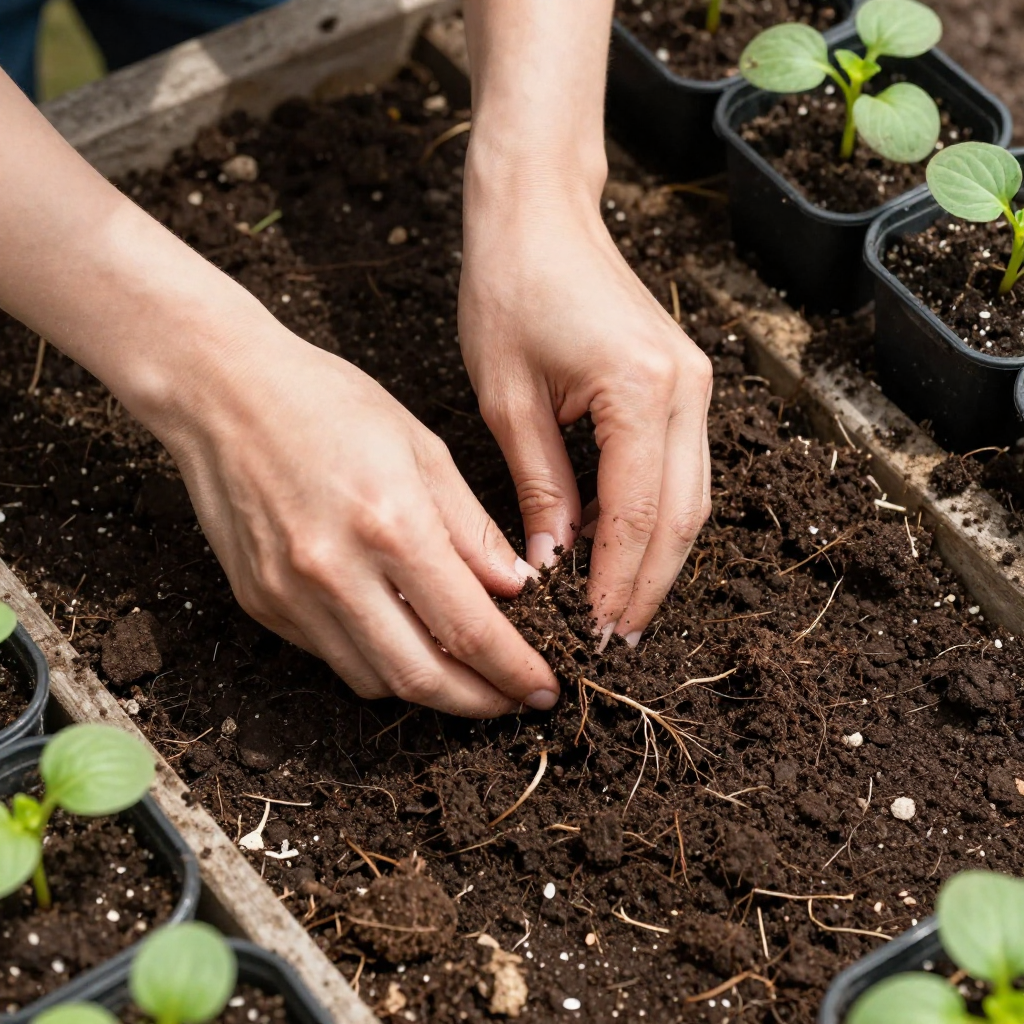
Healthy soil is the foundation of a thriving garden. Without nutrient-rich, well-structured soil, plants struggle to grow, resist disease, or produce fruits and flowers. Improving soil quality naturally ensures sustainable gardening while preserving the environment.
Whether you grow vegetables, flowers, or herbs, adopting natural soil improvement techniques leads to healthier plants, higher yields, and long-term soil fertility. Let’s dive into practical, actionable strategies for improving soil quality naturally.
Why Natural Soil Improvement Matters
Improving soil naturally has several advantages:
-
Enhanced Nutrient Content: Natural amendments provide slow-release nutrients.
-
Better Soil Structure: Increases aeration, water retention, and root penetration.
-
Support for Microorganisms: Encourages beneficial bacteria, fungi, and earthworms.
-
Environmental Safety: Avoids chemical runoff and reduces pollution.
Healthy soil is alive. The microorganisms, organic matter, and minerals in natural soils create a balanced ecosystem that promotes strong plant growth.
Test Your Soil First
Before improving soil quality, test your soil:
-
pH Testing: Determines acidity or alkalinity. Most plants prefer pH 6–7.
-
Nutrient Analysis: Checks levels of nitrogen, phosphorus, potassium, and trace minerals.
-
Soil Texture: Identifies sand, silt, and clay composition to choose the right amendments.
Testing ensures that amendments are applied effectively, avoiding over-fertilization or imbalances.
Key Natural Methods to Improve Soil Quality
1. Composting
Compost is decomposed organic matter from kitchen scraps, garden clippings, and leaves.
Benefits:
-
Provides a full spectrum of nutrients
-
Enhances soil texture and moisture retention
-
Supports microbial activity
Application:
-
Spread 2–3 inches on soil surface or mix into planting beds
-
Reapply every 4–6 weeks for established plants
Tip: Use brown (leaves, paper) and green (vegetable scraps) materials for balanced compost.
2. Manure
Well-composted animal manure enriches soil with nitrogen, phosphorus, and potassium.
Benefits:
-
Boosts fertility
-
Improves water retention
-
Strengthens roots
Application:
-
Apply 1–2 inches around plants or incorporate into soil
-
Avoid fresh manure on seedlings to prevent burning
Types: Cow, horse, chicken, and rabbit manure are common options.
3. Cover Crops (Green Manures)
Plants like clover, alfalfa, or rye are grown to improve soil and then tilled into the ground.
Benefits:
-
Fix nitrogen naturally
-
Reduce erosion
-
Add organic matter
Application: Plant cover crops in off-season, then chop and incorporate before flowering.
4. Mulching
Mulch preserves soil moisture, reduces erosion, and slowly adds organic matter as it decomposes.
Types:
-
Organic: Straw, leaves, wood chips, grass clippings
-
Inorganic: Gravel, stones (for moisture retention, not nutrients)
Application: Spread 2–4 inches around plants, keeping mulch away from stems to prevent rot.
5. Crop Rotation
Rotating crops prevents nutrient depletion and reduces disease buildup.
Benefits:
-
Maintains nutrient balance
-
Controls pests naturally
-
Improves soil structure over time
Application: Alternate legumes (fix nitrogen) with leafy greens or root crops.
6. Adding Organic Matter
Organic matter includes compost, leaf mold, or decomposed plant residues.
Benefits:
-
Enhances nutrient content
-
Improves water retention and aeration
-
Supports beneficial microorganisms
Application: Incorporate 2–3 inches of organic matter before planting or as a top dressing.
7. Vermicompost (Worm Castings)
Worm castings enrich soil with nutrients and microbial life.
Benefits:
-
Slow-release nutrients
-
Improves seed germination
-
Enhances soil structure
Application: Mix 1–2 inches into soil or use as a top dressing around plants.
8. Rock Phosphate and Minerals
Rock phosphate adds phosphorus, while minerals like greensand and gypsum provide potassium and calcium.
Benefits:
-
Supports root development and flowering
-
Strengthens plant structure
-
Improves pH balance in acidic soils
Application: Sprinkle according to soil test recommendations and incorporate into soil before planting.
9. Coffee Grounds
Used coffee grounds improve soil structure and add nitrogen.
Benefits:
-
Attracts earthworms
-
Improves soil fertility
-
Slightly increases soil acidity
Application: Mix into soil or compost; use sparingly to avoid excessive acidity.
10. Eggshells
Crushed eggshells add calcium and trace minerals.
Benefits:
-
Prevents blossom-end rot in tomatoes and peppers
-
Strengthens plant cell walls
-
Improves soil pH
Application: Crush finely and mix into soil or sprinkle around plants.
11. Seaweed Extracts
Seaweed adds potassium, micronutrients, and natural growth hormones.
Benefits:
-
Stimulates root growth
-
Improves stress resistance
-
Enhances nutrient uptake
Application: Apply as a liquid spray or mix into soil every 2–3 weeks.
Soil Aeration Techniques
Soil compaction reduces root growth and water infiltration. Natural methods to improve aeration:
-
Double Digging: Loosen soil deeply without damaging layers
-
Adding Coarse Organic Matter: Straw, wood chips, or compost
-
Avoid Heavy Machinery: Prevents soil compaction in garden beds
Aerated soil allows roots to grow deeper and improves microbial activity.
Improving Water Retention Naturally
Water retention is key to plant growth. Improve it using:
-
Organic mulch layers
-
Compost and vermicompost additions
-
Biochar for clay or sandy soils
These methods reduce watering frequency and prevent nutrient leaching.
Troubleshooting Soil Deficiencies
Nitrogen Deficiency
-
Symptoms: Yellowing leaves, slow growth
-
Fix: Apply compost, manure, or fish emulsion
Phosphorus Deficiency
-
Symptoms: Poor root growth, delayed flowering
-
Fix: Use bone meal or rock phosphate
Potassium Deficiency
-
Symptoms: Weak stems, leaf curling
-
Fix: Apply kelp meal or wood ash
Calcium Deficiency
-
Symptoms: Blossom-end rot, weak growth
-
Fix: Use crushed eggshells or gypsum
Magnesium Deficiency
-
Symptoms: Yellowing between leaf veins
-
Fix: Apply Epsom salt (magnesium sulfate)
Seasonal Soil Improvement Schedule
Spring:
-
Add compost and manure
-
Loosen soil with aeration techniques
Summer:
-
Mulch to retain moisture
-
Use liquid fertilizers like seaweed extract
Fall:
-
Plant cover crops
-
Add organic matter to repair depleted soil
Winter:
-
Compost and green manure incorporation
-
Reduce soil disturbance, preserve microbes
Integrating Organic Pest Control
Healthy soil reduces disease and pest pressure. Practices include:
-
Mulching to prevent soil-borne fungal spores
-
Coffee grounds and eggshells to deter slugs and snails
-
Compost tea to promote beneficial microbial populations
Healthy soil naturally enhances plant immunity and resilience.
Common Mistakes to Avoid
-
Skipping soil tests before amendments
-
Using too much fertilizer at once
-
Ignoring composting and organic matter incorporation
-
Repeating the same crop each year without rotation
-
Overwatering compacted or sandy soil
Avoiding these mistakes ensures long-term soil improvement and sustainable gardening.
Conclusion
Improving soil quality naturally involves a combination of composting, organic fertilizers, mulching, crop rotation, and soil aeration. Adding organic matter, seaweed extracts, coffee grounds, eggshells, and minerals enriches nutrients and supports beneficial microbes.
By testing soil, applying amendments correctly, and following seasonal schedules, gardeners can achieve fertile, healthy soil that sustains plant growth year-round. Natural soil improvement techniques not only enhance productivity but also protect the environment and create a resilient garden ecosystem.
Healthy soil is alive, nutrient-rich, and capable of supporting strong, vibrant plants. By following these natural strategies, you create a foundation for thriving home gardens that flourish sustainably.