
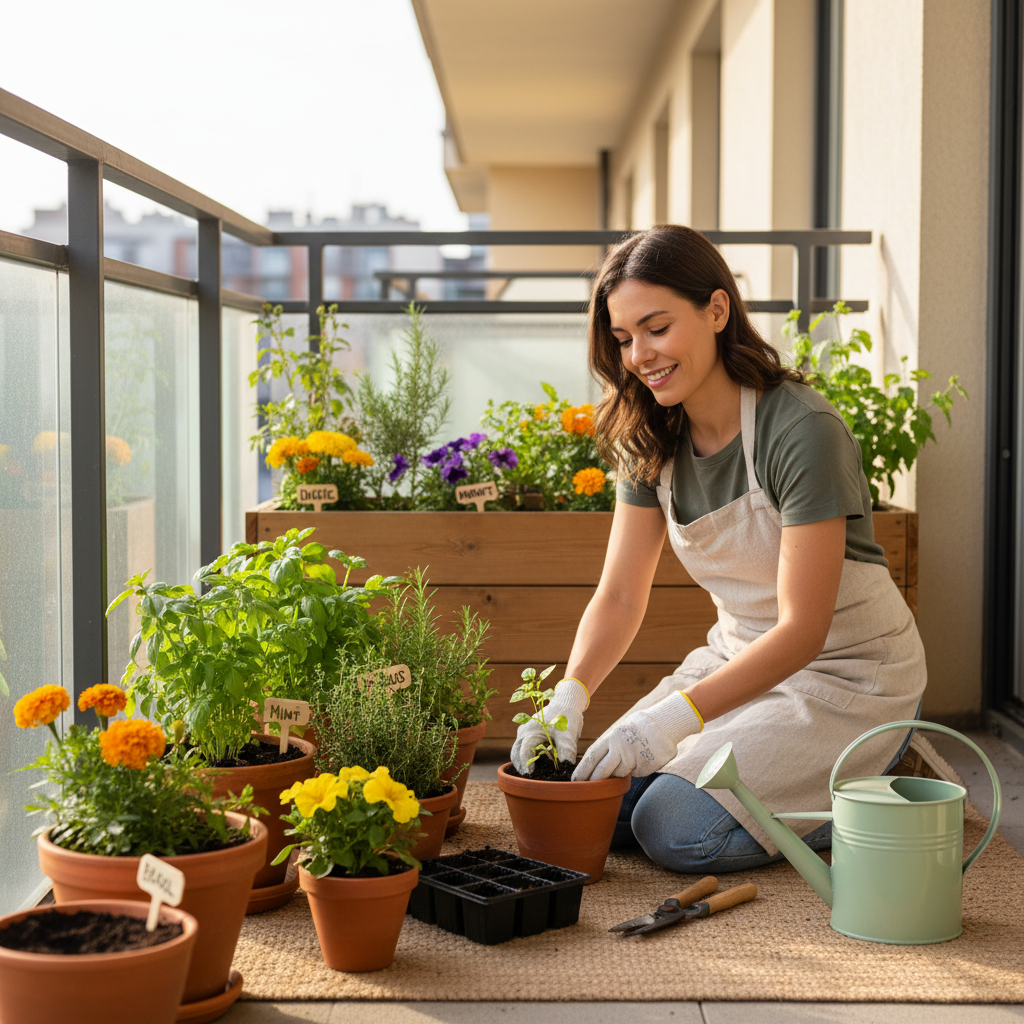
Home gardening for beginners often starts with a simple desire: growing plants at home without confusion or failure. Many beginners feel unsure about where to begin, what plants to choose, and how to care for them properly. This step-by-step guide explains home gardening in a clear, practical way so you can start with confidence and build real results over time.
This guide focuses on beginner-friendly methods, realistic expectations, and proven gardening basics. Whether you have a small balcony, a backyard, or just a sunny window, you can start home gardening successfully.
What Is Home Gardening?
Home gardening is the practice of growing plants in or around your home. These plants can be grown for food, decoration, or personal enjoyment. A home garden can be as small as a few pots or as large as a backyard plot.
Home gardening includes:
-
Vegetable gardening
-
Herb gardening
-
Flower gardening
-
Indoor plant gardening
For beginners, home gardening is less about perfection and more about learning through action and observation.
Why Home Gardening Is Perfect for Beginners
Home gardening offers practical and personal benefits that make it ideal for beginners.
-
You gain access to fresh, natural produce
-
You develop a relaxing and productive hobby
-
You reduce stress and improve focus
-
You learn patience and responsibility
-
You create a healthier living environment
Home gardening also allows beginners to start small and improve gradually without high costs or risk.
Home Gardening for Beginners: Step-by-Step Guide
Step 1: Set a Clear Gardening Goal
Before buying plants or tools, decide why you want to garden. This decision helps you choose the right plants and setup.
Ask yourself:
-
Do you want vegetables for food?
-
Do you want herbs for cooking?
-
Do you want flowers for decoration?
-
Do you want low-maintenance plants?
Beginners should avoid mixing too many goals at once. Start with one purpose and expand later.
Step 2: Choose Beginner-Friendly Plants
Plant selection is one of the most important decisions for beginners.
Plants that grow easily reduce frustration and increase success.
Vegetables suitable for beginners:
-
Tomatoes
-
Lettuce
-
Spinach
-
Radishes
-
Green onions
Herbs suitable for beginners:
-
Basil
-
Mint
-
Parsley
-
Coriander
-
Chives
Flowers suitable for beginners:
-
Marigolds
-
Sunflowers
-
Zinnias
-
Petunias
Avoid plants that require strict temperature control or advanced pruning.
Step 3: Understand Your Available Space
Home gardening does not require large land. What matters is how you use your space.
Common beginner spaces include:
-
Balconies
-
Rooftops
-
Backyards
-
Window sills
-
Indoor corners with sunlight
Observe your space for:
-
Sunlight duration
-
Wind exposure
-
Water access
Understanding your space helps you avoid placing plants where they cannot survive.
Step 4: Learn About Sunlight Requirements
Sunlight is essential for plant growth. Beginners often overlook this step.
Most plants fall into three categories:
-
Full sun: 6–8 hours daily
-
Partial sun: 3–5 hours daily
-
Shade: indirect or filtered light
Vegetables and herbs usually need full sun. Indoor plants tolerate lower light.
Track sunlight for a few days before deciding plant placement.
Step 5: Choose the Right Gardening Method
Beginners should select a gardening method that matches their space and time.
Container gardening:
-
Best for apartments and balconies
-
Easy to move and control
-
Requires frequent watering
Raised bed gardening:
-
Ideal for backyards
-
Better soil control
-
Easier weed management
Ground gardening:
-
Suitable for large spaces
-
Requires soil preparation
-
Long-term commitment
Container gardening is the most beginner-friendly method.
Step 6: Understand Soil Basics
Soil quality determines plant health. Good soil allows roots to grow and absorb nutrients.
Healthy soil should be:
-
Loose and airy
-
Well-draining
-
Rich in organic matter
Basic soil components:
-
Garden soil or potting soil
-
Compost or organic matter
-
Sand or coco peat for drainage
Avoid using hard, compacted soil alone.
Step 7: Prepare the Soil Correctly
Soil preparation improves plant growth from the beginning.
For containers:
-
Ensure drainage holes are present
-
Use a balanced potting mix
-
Do not compact soil tightly
For ground or raised beds:
-
Remove weeds and debris
-
Loosen soil deeply
-
Mix compost evenly
Prepared soil prevents root rot and nutrient deficiency.
Step 8: Seeds vs Seedlings for Beginners
Beginners often wonder whether to start with seeds or seedlings.
Seeds:
-
Lower cost
-
Longer growing time
-
Require patience
Seedlings:
-
Faster results
-
Higher survival rate
-
Easier for beginners
For home gardening beginners, seedlings offer a smoother learning experience.
Step 9: Planting the Right Way
Planting technique matters more than beginners expect.
Planting tips:
-
Do not bury stems too deep
-
Leave space between plants
-
Gently press soil around roots
Plant spacing allows airflow and prevents disease.
Step 10: Watering Plants Properly
Watering mistakes are common in beginner gardens.
Correct watering practices:
-
Water early morning or evening
-
Water soil, not leaves
-
Check soil moisture before watering
If the top inch of soil feels dry, watering is needed.
Overwatering causes root rot and weak growth.
Step 11: Feeding Plants with Nutrients
Plants need nutrients to grow well.
Beginner-friendly nutrient sources:
-
Compost
-
Organic manure
-
Liquid organic fertilizers
Feed plants lightly. Too much fertilizer can harm roots.
Step 12: Basic Plant Care and Maintenance
Home gardening requires regular observation.
Basic care includes:
-
Removing weeds
-
Checking leaves for damage
-
Supporting tall plants
-
Trimming dead leaves
Healthy plants grow steadily and show vibrant color.
Step 13: Natural Pest Control for Beginners
Pests are part of gardening. Beginners should focus on prevention.
Common garden pests:
-
Aphids
-
Caterpillars
-
Whiteflies
Natural control methods:
-
Neem oil spray
-
Soap and water solution
-
Manual removal
-
Keeping plants clean
Avoid chemical pesticides in home gardens.
Step 14: Seasonal Gardening Basics
Plants grow differently in each season.
General seasonal guidelines:
-
Cool-season plants grow in mild weather
-
Warm-season plants grow in heat
-
Some plants grow year-round indoors
Understanding seasons improves plant success.
Indoor Home Gardening for Beginners
Indoor gardening is ideal for limited spaces.
Best indoor plants:
-
Herbs
-
Snake plant
-
Pothos
-
Peace lily
Place plants near windows and rotate them weekly for even growth.
Outdoor Home Gardening for Beginners
Outdoor gardening offers more space and sunlight.
Best outdoor beginner plants:
-
Tomatoes
-
Cucumbers
-
Beans
-
Marigolds
Protect plants from extreme heat, wind, and heavy rain.
Essential Tools for Home Gardening Beginners
You do not need many tools.
Basic tools include:
-
Hand trowel
-
Watering can or hose
-
Gardening gloves
-
Pruning scissors
-
Small shovel
Start with essentials and upgrade as needed.
Common Mistakes Beginners Should Avoid
Avoiding mistakes saves time and effort.
-
Planting too many plants
-
Ignoring sunlight needs
-
Overwatering
-
Poor soil quality
-
Expecting instant results
Gardening improves through experience.
How Long Does Home Gardening Take to Show Results?
Growth time depends on plant type.
-
Herbs: 2–4 weeks
-
Leafy vegetables: 3–6 weeks
-
Fruiting vegetables: 8–12 weeks
Consistency matters more than speed.
Can Beginners Really Succeed at Home Gardening?
Yes. Most successful gardeners started as beginners.
Focus on:
-
Simple plants
-
Small scale
-
Regular observation
Every season builds knowledge and confidence.
Long-Term Home Garden Maintenance
Sustainable gardening requires routine.
-
Water consistently
-
Add compost regularly
-
Monitor plant health
-
Clean tools
A maintained garden becomes easier each season.