
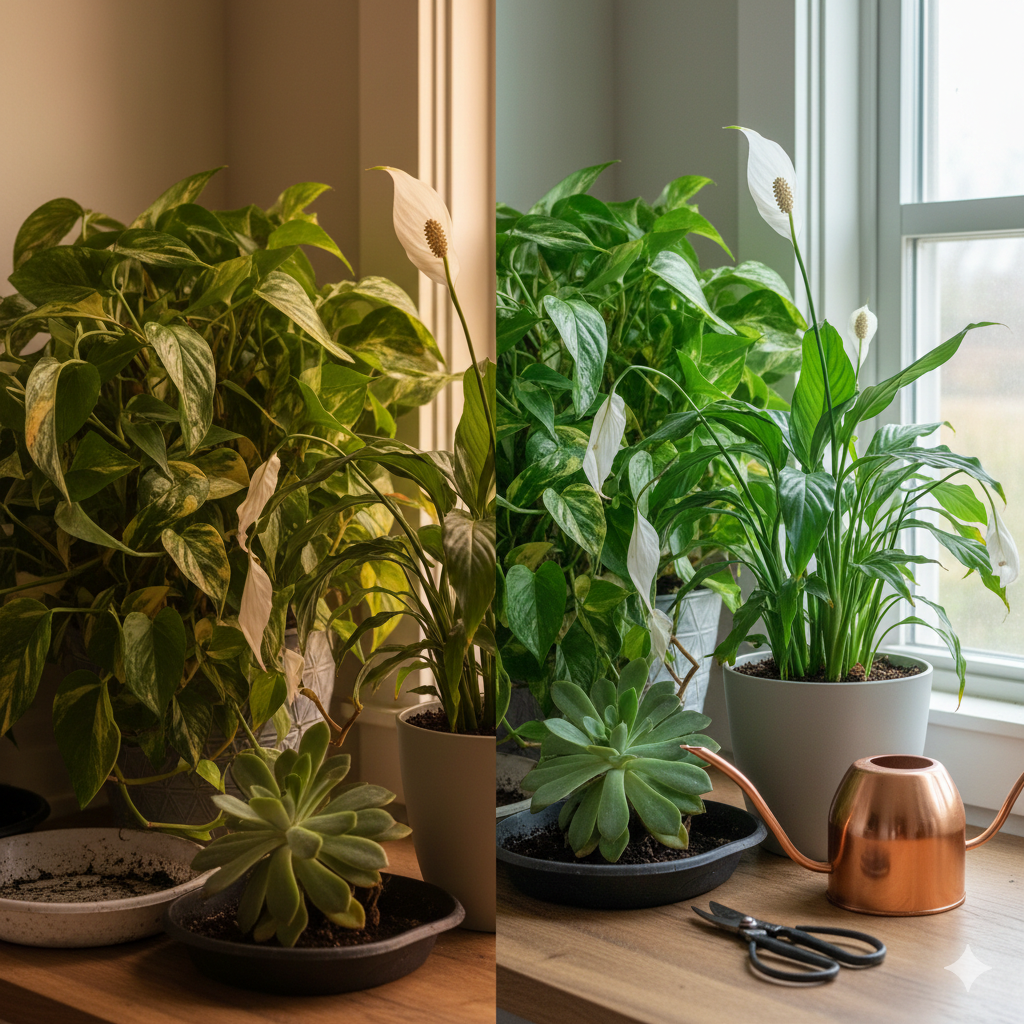
Common Indoor Plant Problems and Solutions
Indoor plants are a beautiful way to bring nature into your home, purify the air, and add a sense of calm. However, even experienced plant owners encounter challenges. Common indoor plant problems like yellowing leaves, pests, or slow growth can be frustrating. Understanding the causes and solutions allows your plants to thrive without constant stress. In this guide, we will explore the most frequent indoor plant issues and provide actionable solutions for each.
Why Indoor Plants Face Problems
Indoor plants face problems due to several factors:
-
Improper watering: Overwatering or underwatering is the leading cause of plant stress.
-
Insufficient light: Most indoor plants need indirect sunlight; low light slows growth.
-
Pest infestations: Aphids, spider mites, and fungus gnats are common indoors.
-
Nutrient deficiencies: Indoor plants may require fertilization for healthy growth.
-
Environmental stress: Drafts, fluctuating temperatures, or low humidity can affect plant health.
Identifying the root cause is critical. The same symptom, like drooping leaves, can result from overwatering, pests, or lack of nutrients.
1. Yellowing Leaves
Yellow leaves are a common symptom for indoor plants and indicate stress.
Causes:
-
Overwatering: Roots can rot if soil stays wet for too long.
-
Underwatering: Dry soil prevents nutrient uptake, causing leaves to yellow.
-
Nutrient deficiency: Lack of nitrogen, iron, or magnesium affects leaf color.
Solutions:
-
Check soil moisture before watering; let top 2 inches dry.
-
Fertilize monthly with a balanced houseplant fertilizer.
-
Remove yellowed leaves to allow new growth.
Tip: Plants like Snake Plant and ZZ Plant tolerate occasional yellowing, but persistent yellow leaves signal care adjustment is needed.
2. Drooping or Wilting Leaves
Leaves that droop or wilt can make your plant look lifeless.
Causes:
-
Overwatering or root rot: Waterlogged roots cannot absorb nutrients.
-
Underwatering: Dry soil causes cells to lose turgor pressure.
-
Temperature stress: Cold drafts or sudden heat can shock plants.
Solutions:
-
Water according to plant needs and allow drainage.
-
Repot plants with root rot using fresh, well-draining soil.
-
Keep plants away from radiators, air conditioners, or drafty windows.
Tip: Some plants naturally droop at night, like the Prayer Plant; distinguish normal behavior from stress signs.
3. Brown Leaf Tips
Brown tips make leaves look dry and damaged.
Causes:
-
Low humidity: Dry indoor air dehydrates leaves.
-
Overfertilization: Excess salts burn leaf edges.
-
Underwatering: Inconsistent watering dries the leaf tips.
Solutions:
-
Mist plants or use a humidifier for tropical varieties.
-
Flush soil with water to remove excess fertilizer.
-
Maintain a consistent watering schedule.
Tip: Ferns, Peace Lily, and Calathea are especially prone to brown tips in dry air.
4. Leaf Drop
Unexpected leaf drop can alarm any plant owner.
Causes:
-
Environmental change: Moving a plant or temperature changes trigger stress.
-
Pests or disease: Insects or fungal infections cause leaf loss.
-
Overwatering: Waterlogged soil suffocates roots.
Solutions:
-
Gradually acclimate plants to new locations.
-
Inspect for pests and treat with insecticidal soap if needed.
-
Ensure proper drainage and avoid overwatering.
Tip: Ficus varieties often drop leaves after relocation; this is normal if the roots remain healthy.
5. Slow Growth
Indoor plants may grow slower than expected.
Causes:
-
Low light: Insufficient sunlight reduces photosynthesis.
-
Nutrient deficiency: Lack of fertilizer limits growth.
-
Pot-bound roots: Roots in a small pot struggle to expand.
Solutions:
-
Move plants to brighter spots or supplement with grow lights.
-
Fertilize monthly during the growing season.
-
Repot plants in a slightly larger container every 1–2 years.
Tip: Snake Plants and ZZ Plants grow slowly naturally; patience is key.
6. Pest Infestations
Indoor plants attract pests like spider mites, aphids, and mealybugs.
Causes:
-
Overcrowded plants: Lack of airflow encourages pests.
-
Dirty leaves: Dusty leaves attract insects.
-
Introduction of infested plants: New plants can spread pests.
Solutions:
-
Isolate affected plants immediately.
-
Wipe leaves with a damp cloth or mild soapy water.
-
Use neem oil or insecticidal spray for stubborn infestations.
Tip: Check undersides of leaves regularly; pests often hide there.
7. Fungus or Mold Growth
Mold or fungus often appears on soil or leaves.
Causes:
-
Overwatering: Waterlogged soil promotes fungal growth.
-
Poor ventilation: Stagnant air encourages spores.
-
High humidity: Damp conditions favor mold development.
Solutions:
-
Reduce watering and remove moldy soil.
-
Increase air circulation around plants.
-
Use fungicidal sprays for persistent fungus.
Tip: Avoid overhead watering for sensitive plants to prevent leaf mold.
8. Leggy or Stretched Plants
Leggy growth occurs when stems stretch toward light sources.
Causes:
-
Low light: Plants reach for available sunlight.
-
Overcrowding: Plants compete for light.
Solutions:
-
Move plants closer to natural light or supplement with LED grow lights.
-
Rotate plants regularly to encourage balanced growth.
-
Prune elongated stems to maintain shape.
Tip: Pothos and Spider Plants may become leggy indoors; trimming encourages bushier growth.
9. Discolored or Spotted Leaves
Spots or discoloration can indicate disease or nutrient imbalance.
Causes:
-
Fungal or bacterial infections: Wet leaves encourage disease.
-
Sunburn: Direct sunlight burns sensitive leaves.
-
Nutrient deficiencies: Lack of magnesium or iron causes leaf spots.
Solutions:
-
Remove affected leaves and avoid wetting foliage.
-
Move plants away from direct sun if needed.
-
Apply appropriate fertilizers to correct deficiencies.
Tip: Use a magnifying glass to inspect tiny spots or pests causing discoloration.
10. Root Problems
Healthy roots are critical for overall plant health.
Causes:
-
Root rot: Overwatering and poor drainage kill roots.
-
Compact roots: Plants outgrow small pots, limiting water and nutrients.
Solutions:
-
Repot in fresh soil with adequate drainage.
-
Trim rotting roots with sterilized scissors.
-
Choose appropriately sized pots to allow root expansion.
Tip: Check roots every 1–2 years for signs of rot or crowding.
Preventive Care for Healthy Indoor Plants
Preventive care reduces indoor plant problems:
-
Water only when soil is slightly dry.
-
Maintain humidity for tropical plants.
-
Rotate plants regularly for even light exposure.
-
Dust leaves and check for pests weekly.
-
Use well-draining soil and pots with drainage holes.
-
Fertilize appropriately during growth periods.
Tip: Healthy plants naturally resist pests, mold, and stress-related issues.
Conclusion
Indoor plants enhance any home, but common indoor plant problems can affect their growth and appearance. Issues like yellowing leaves, drooping, pests, and slow growth are often preventable with proper care. By monitoring light, water, humidity, and soil health, you can address these problems early and enjoy thriving, vibrant greenery.
Plants like Snake Plants, ZZ Plants, and Pothos are more resilient, but all indoor plants benefit from careful attention and preventive measures. Understanding the causes and solutions ensures your indoor garden remains healthy, beautiful, and stress-free.