
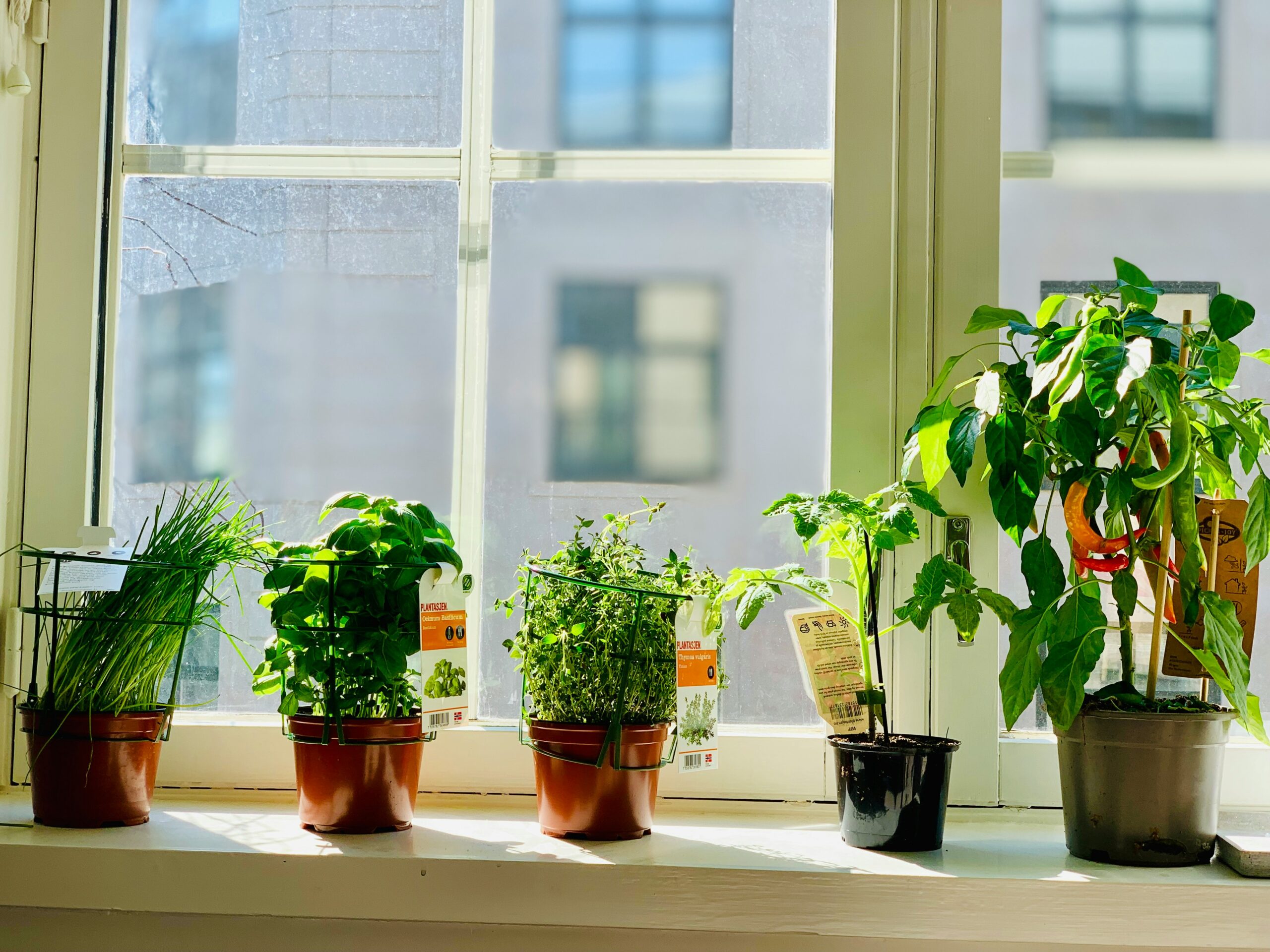
Fertilizing Tips for Different Plant Types
Not all indoor plants have the same nutrient requirements. Fertilizer choice and frequency are crucial for healthy growth.
Tropical Plants
-
Feed with balanced liquid fertilizer (10-10-10) every 2–3 weeks during spring and summer.
-
Reduce feeding in fall and winter when growth slows.
Flowering Plants
-
Use a high-phosphorus fertilizer to encourage blooms.
-
Fertilize monthly, avoiding nitrogen-heavy formulas that promote foliage over flowers.
Succulents and Cacti
-
Fertilize sparingly, about once every 2–3 months, using a diluted succulent mix.
-
Too much fertilizer causes leggy growth and weak stems.
Herbs and Edible Plants
-
Use an organic fertilizer like compost tea or fish emulsion for safe consumption.
-
Feed every 2–3 weeks during active growth periods.
Tip: Always read the fertilizer label and follow recommended dosage to prevent overfeeding.
Understanding Plant Dormancy
Many indoor plants have natural dormancy periods, usually in fall and winter.
Key Signs of Dormancy:
-
Slower growth or leaf drop.
-
Reduced water absorption.
-
Less frequent flowering.
Care During Dormancy:
-
Water less frequently; allow the soil to dry slightly.
-
Pause fertilization to prevent nutrient buildup.
-
Reduce light stress by moving plants away from strong artificial light.
Tip: Recognizing dormancy helps prevent overwatering and nutrient overload.
DIY Natural Remedies for Common Problems
Indoor plants can face pests and diseases even with careful care. Natural solutions are safe and effective.
Remedies:
-
Neem oil spray: Controls spider mites, aphids, and mealybugs.
-
Soap water: Mild dish soap diluted in water helps remove soft-bodied pests.
-
Garlic or chili spray: Natural insect repellents for sensitive plants.
-
Baking soda solution: Treats mild fungal infections like powdery mildew.
Tip: Test sprays on a single leaf before full application to avoid leaf damage.
Air Circulation and Plant Health
Proper air circulation prevents fungal infections and strengthens plant stems.
Recommendations:
-
Keep plants 2–3 inches apart to allow airflow.
-
Use a small fan in rooms with stagnant air.
-
Avoid overcrowding plants near windows or shelves.
Tip: Moving air also helps prevent pests like fungus gnats from proliferating.
How to Handle Yellowing Leaves
Yellow leaves are a common symptom but can have multiple causes.
Possible Reasons:
-
Overwatering or poor drainage.
-
Nutrient deficiencies.
-
Low light conditions.
-
Aging leaves naturally turn yellow and drop.
Solutions:
-
Check the soil and reduce watering if needed.
-
Add balanced fertilizer for nutrient-deficient plants.
-
Adjust plant placement for better light exposure.
-
Trim yellow leaves to prevent energy loss.
Tip: Yellow leaves on lower branches are often normal; focus on new growth.
Encouraging Bloom in Flowering Indoor Plants
Flowering plants need extra care to thrive indoors.
Blooming Tips:
-
Ensure at least 6–8 hours of indirect light daily.
-
Fertilize with bloom-specific fertilizer containing phosphorus and potassium.
-
Remove spent flowers to redirect energy to new blooms.
-
Maintain stable temperatures; avoid drafts and extreme heat.
Tip: For indoor orchids, alternating day/night temperatures can stimulate flowering.
How to Deal with Leggy Plants
Leggy growth occurs when plants stretch toward light.
Causes:
-
Insufficient light.
-
Overcrowding.
-
Lack of pruning.
Solutions:
-
Move plants to brighter locations.
-
Prune elongated stems to encourage bushier growth.
-
Consider supplemental LED grow lights for low-light areas.
Tip: Regularly rotate plants to prevent uneven growth.
Using Grow Lights for Indoor Plants
Artificial lighting supplements natural sunlight, especially in low-light homes.
Types of Grow Lights:
-
LED lights: Energy-efficient, provide full spectrum light.
-
Fluorescent lights: Good for seedlings and herbs.
-
High-intensity discharge (HID) lights: Suitable for large indoor gardens.
Placement and Timing:
-
Keep lights 6–12 inches above plants.
-
Provide 12–16 hours of light daily for most houseplants.
Tip: Use timers to maintain consistent lighting cycles and avoid stress.
Fertilizing with Organic Options
Organic fertilizers enrich soil and improve plant health without chemical buildup.
Popular Options:
-
Compost: Rich in nutrients and improves soil structure.
-
Worm castings: Excellent for root development.
-
Fish emulsion: Boosts foliage growth and overall vigor.
-
Coffee grounds: Adds nitrogen for leafy plants (use sparingly).
Tip: Organic fertilizers improve long-term soil health and are safe for pets.
How to Choose the Right Indoor Plants for Your Home
Not all plants thrive in every indoor environment. Choosing the right plant reduces care stress.
Factors to Consider:
-
Light availability: Low-light plants for north-facing rooms, bright-light plants for south-facing windows.
-
Humidity: Tropical plants need high humidity; succulents and cacti tolerate dry air.
-
Space: Consider growth size and whether plants need vertical or horizontal space.
-
Maintenance level: Select low-maintenance plants like ZZ plants or Snake plants for busy schedules.
Tip: Start with resilient plants and gradually expand your indoor garden as you gain experience.
Seasonal Care Adjustments
Indoor plant care changes throughout the year due to light, temperature, and growth cycles.
Spring & Summer:
-
Increase watering and fertilization.
-
Monitor for new growth and pests.
-
Rotate plants for even light exposure.
Fall & Winter:
-
Reduce watering and fertilization.
-
Protect plants from drafts and cold windows.
-
Monitor for low light conditions; supplement with grow lights if needed.
Tip: Understanding seasonal patterns helps prevent stress and ensures healthy growth year-round.
Troubleshooting Common Problems
Even experienced plant owners encounter issues. Quick troubleshooting keeps plants healthy.
Common Problems & Solutions:
-
Wilting: Check water levels; adjust watering frequency.
-
Brown leaf tips: Could indicate low humidity or overfertilization.
-
Leaf curl: May be caused by heat stress or pests.
-
Fungal spots: Remove affected leaves; improve air circulation and avoid overhead watering.
-
Slow growth: Check for adequate light, nutrients, and proper soil.
Tip: Document changes and treatments; this helps identify patterns and prevent repeat issues.
Indoor Plant Care Tools
Using the right tools makes plant care easier and more effective.
Essentials:
-
Watering can with a narrow spout for controlled watering.
-
Moisture meter to check soil hydration.
-
Pruning shears for trimming leaves and stems.
-
Spray bottle for misting tropical plants.
-
Fertilizer scoop to prevent overuse.
Tip: Sterilize tools regularly to prevent disease spread.
Propagation Techniques for Indoor Plants
Propagation allows you to grow new plants from existing ones, saving money and expanding your collection.
Common Methods:
-
Stem cuttings: For Pothos, Philodendrons, and Coleus.
-
Leaf cuttings: For succulents like Echeveria and Aloe.
-
Division: For plants with clumping growth like Peace Lily or Spider Plants.
-
Air layering: Advanced technique for large indoor trees.
Tip: Propagate during active growth for higher success rates.
Final Thoughts on Indoor Plant Care
Indoor plants require consistent attention, proper watering, light, nutrients, and care routines. Healthy indoor plants:
-
Brighten your home environment.
-
Improve air quality.
-
Provide a calming, stress-relieving atmosphere.
By following these indoor plant care tips for healthy growth, you can enjoy thriving plants year-round. Observe your plants, adjust care routines as needed, and don’t hesitate to experiment with different techniques. Healthy indoor plants are a result of knowledge, consistency, and attention.