
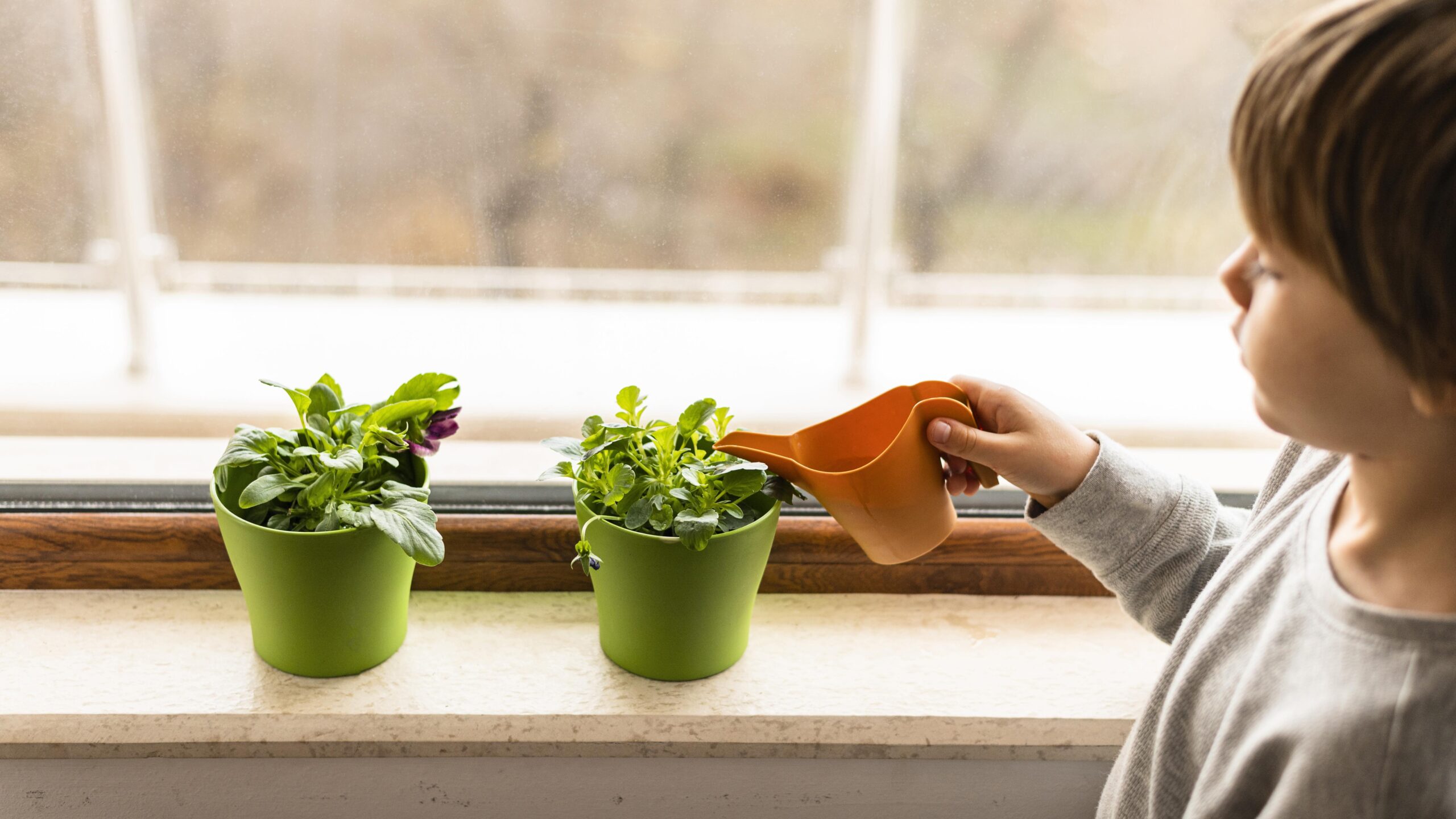
Simple Plant Care Tips to Keep Plants Healthy
Keeping plants healthy is more than just watering them. It involves understanding their needs, environment, and proper care techniques. Whether you are growing indoor plants, outdoor plants, vegetables, or flowers, following simple, effective practices ensures thriving greenery all year round.
Why Proper Plant Care Matters
Proper plant care affects growth, flowering, and longevity. Healthy plants have strong roots and stems, resist diseases and pests, produce vibrant leaves, flowers, and fruits, and require less maintenance over time. Neglecting basic care can lead to slow growth, yellowing leaves, or even plant death.
Choosing the Right Plant
Selecting plants suited for your environment reduces maintenance. Indoor plants should be low-light tolerant species like snake plants or pothos. Outdoor plants require consideration of sunlight, soil type, and local climate. Vegetables and herbs need seasonal varieties for best yields. Flowering plants should match bloom time with your local climate. Right plant selection ensures long-term success and easier care.
Watering Tips
Watering is crucial and often overdone or underdone. Water when the top 1-2 inches of soil feel dry. Use room-temperature water for indoor plants. Avoid waterlogging and ensure proper drainage. Reduce watering during winter for dormant plants. Group plants with similar watering needs. Correct watering prevents root rot and maintains hydration without stress.
Light Requirements
Sunlight drives photosynthesis and growth. Low-light plants should be placed near windows or shaded areas. Medium-light plants need bright indirect light. Full-sun plants require six or more hours of direct sunlight daily. Rotate indoor plants weekly for even growth. Monitoring light ensures strong, vibrant plants without leaf burn or stretching.
Soil Selection
Healthy soil supports roots and nutrient uptake. Use well-draining soil to prevent root rot. Mix perlite, compost, or sand to improve aeration. Use plant-specific soil such as for cacti, orchids, or vegetables. Avoid compacted or depleted soil. Refreshing soil periodically enhances growth and prevents nutrient deficiency.
Fertilization Tips
Plants need nutrients for optimal growth. Use balanced, slow-release fertilizers. Feed indoor plants every 4-6 weeks. Outdoor plants may require more frequent fertilization during active growth. Avoid over-fertilizing to prevent leaf burn. Fertilization boosts flowering, fruiting, and overall plant health.
Pruning and Deadheading
Pruning encourages growth and keeps plants tidy. Remove dead or yellowing leaves regularly. Trim leggy growth to maintain shape. Deadhead flowers to stimulate new blooms. Use clean, sharp tools to prevent infection. Pruning reduces stress and improves air circulation within foliage.
Repotting and Root Care
Plants can outgrow their pots and soil. Repot when roots are visible from drainage holes. Use slightly larger pots with fresh soil. Loosen root balls gently to prevent circling roots. Trim dead or damaged roots. Repotting improves nutrient availability and prevents root binding.
Temperature and Humidity
Environmental control is key for indoor plants. Maintain moderate indoor temperatures of 65-75°F (18-24°C). Avoid placing plants near heaters or air conditioners. Increase humidity for tropical plants with misting or humidifiers. Observe plant reactions to sudden temperature changes. Correct environmental conditions reduce stress and support growth.
Pest and Disease Management
Preventive care reduces infestations. Inspect plants weekly for pests like aphids, mites, and mealybugs. Use natural pest control such as neem oil or insecticidal soap. Remove diseased leaves immediately. Ensure proper air circulation to prevent fungal infections. Early detection prevents widespread damage and keeps plants healthy.
Mulching and Soil Cover
Mulching benefits outdoor and indoor potted plants. Retains soil moisture and reduces evaporation. Prevents weed growth in outdoor gardens. Adds organic nutrients to the soil. Maintain a 1-2 inch layer without covering plant stems. Mulching supports stable growth and reduces maintenance.
Seasonal Plant Care Tips
Plant care varies with seasons. In spring, increase watering and fertilization for active growth. In summer, protect from excessive heat and provide shade for sensitive plants. In autumn, reduce fertilization and prepare plants for dormancy. In winter, maintain low watering for dormant plants and avoid cold drafts. Adjusting care by season ensures plant survival and vitality.
Indoor Plant Care Tips
Indoor plants require tailored attention. Clean leaves regularly to remove dust. Rotate plants to ensure even light exposure. Avoid overcrowding pots. Use humidity trays for tropical plants. Monitor for indoor pests. These steps improve growth and aesthetics indoors.
Outdoor Plant Care Tips
Outdoor plants face different challenges. Water early in the morning or late evening. Protect young plants from extreme sun or frost. Fertilize according to growth stages. Mulch around the base for moisture retention. Remove weeds to reduce competition. Proper outdoor care improves resilience against environmental stress.
Common Plant Care Mistakes
Avoid these errors to maintain healthy plants: overwatering or underwatering, placing plants in unsuitable light, using poor-quality soil, ignoring pest infestations, over-fertilizing or applying at wrong times. Preventing mistakes ensures strong, thriving plants.
Advanced Plant Care Techniques
Companion planting improves growth and pest resistance. Root pruning encourages lateral root development. Air layering and propagation expand your plant collection. Soil testing ensures correct nutrient levels. Organic fertilizers reduce chemical exposure. Advanced techniques enhance growth and long-term health.
Troubleshooting Common Issues
Yellow leaves are often caused by overwatering or nutrient deficiency. Drooping leaves may indicate underwatering or root stress. Slow growth can result from insufficient light, poor soil, or pests. Wilting or leaf spots indicate disease or fungal infection. Timely intervention prevents plant loss and maintains vitality.
Eco-Friendly Plant Care
Compost plant trimmings and soil. Avoid synthetic chemicals and use natural fertilizers. Reuse pots and planters. Collect rainwater for irrigation. Encourage beneficial insects in gardens. Sustainable practices protect the environment and keep plants healthy.
Frequently Asked Questions
How often should I water indoor plants? Water when the top 1-2 inches of soil feel dry. Can I fertilize during winter? Reduce or avoid fertilization for dormant plants. How do I prevent pests naturally? Use neem oil, soap spray, and remove infected leaves. Do plants need pruning? Yes, to maintain shape, encourage growth, and remove dead material. How often should I repot my plants? Typically every 1-3 years depending on growth and pot size. Clear answers make plant care accessible for beginners and experienced gardeners alike.
Key Takeaways
Choose plants suited for your environment. Water correctly and provide proper light. Use nutrient-rich, well-draining soil. Fertilize and prune regularly. Monitor pests and diseases. Repot when necessary and adjust seasonal care. Maintain optimal temperature and humidity. Following these simple plant care tips keeps plants healthy, vibrant, and thriving.
Conclusion
Maintaining healthy plants is a combination of knowledge, attention, and consistent care. By implementing simple plant care tips, you ensure your greenery remains lush and productive. Proper watering, light, soil, pruning, pest control, and seasonal adjustments are all essential. With regular observation and timely intervention, your plants will flourish, creating a beautiful and sustainable environment.