
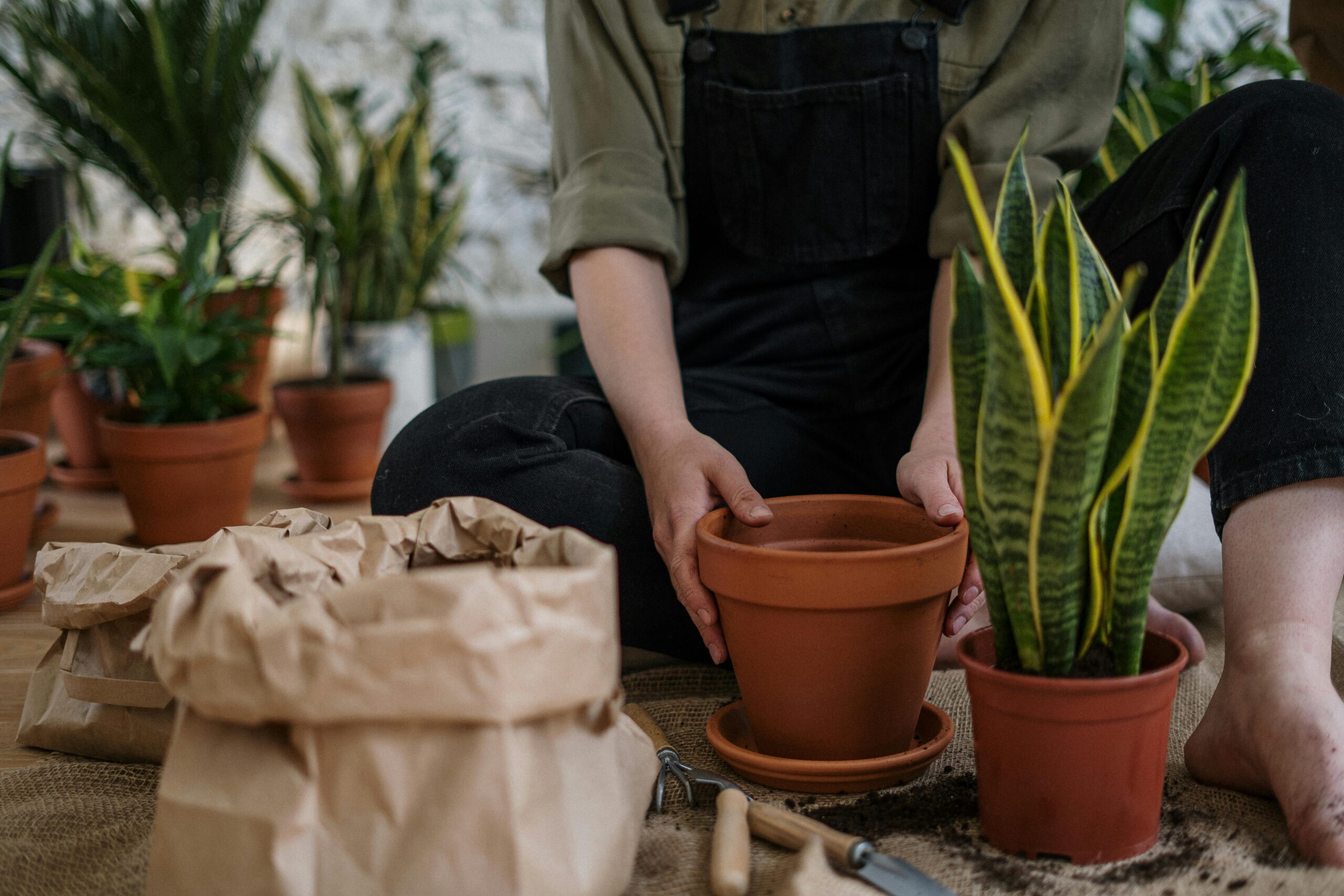
When and How to Repot Garden Plants
Repotting garden plants is essential for their long-term health. It allows roots to expand, soil to stay fresh, and plants to grow vigorously. Understanding when and how to repot garden plants ensures your greenery thrives, whether indoors or outdoors.
Why Repotting is Essential
Repotting benefits plants in multiple ways:
-
Provides fresh soil rich in nutrients
-
Prevents plants from becoming root-bound
-
Improves drainage and prevents root rot
-
Encourages flowering, fruiting, and new growth
-
Strengthens plant structure and stability
Neglecting repotting can stunt growth, cause yellow leaves, and make plants more susceptible to diseases.
Signs That Your Plant Needs Repotting
You should repot plants when you notice:
-
Roots growing out of the pot holes
-
Soil dries too fast after watering
-
The plant is top-heavy or unstable
-
Stunted growth, fewer flowers, or weak foliage
-
Compacted, depleted, or crusted soil surface
Knowing these signs prevents damage and keeps plants healthy.
Choosing the Right Pot
Selecting a pot is crucial:
-
Size: 2-4 inches larger in diameter than the current pot
-
Material:
-
Terracotta: breathable, prevents overwatering
-
Plastic: retains moisture longer
-
Ceramic: heavy, stable, decorative
-
-
Drainage: Always ensure proper holes
The right combination prevents waterlogging and supports healthy root growth.
Selecting the Best Soil
Soil should match your plant type:
-
Succulents/Cacti: sandy, well-draining soil
-
Flowering Plants: nutrient-rich, loamy soil
-
Herbs: light, porous, well-draining soil
-
Vegetables: fertile soil enriched with compost
Mix perlite, vermiculite, or sand for better aeration and drainage.
Step-by-Step Repotting Guide
-
Water the plant a day before repotting
-
Remove the plant gently from its current pot
-
Loosen the root ball carefully
-
Trim dead or circling roots
-
Add fresh soil at the bottom of the new pot
-
Place the plant at the same soil depth
-
Fill gaps with soil and press lightly
-
Water thoroughly but allow drainage
-
Keep the plant in indirect light for a few days
Proper handling minimizes transplant shock.
Aftercare Tips
After repotting, plants need special attention:
-
Avoid fertilizing for 2-3 weeks
-
Keep soil slightly moist
-
Avoid direct sunlight initially
-
Monitor for wilting, leaf drop, or yellowing
-
Gradually move the plant back to its regular location
This helps plants recover quickly.
Best Time to Repot
Timing ensures minimal stress:
-
Spring bloomers: late winter or early spring
-
Summer plants: early summer
-
Indoor plants: mild fall or winter
-
Tropical plants: during stable warm seasons
Repotting during the active growing season promotes faster recovery.
Repotting Indoor Plants
Indoor plants require careful repotting:
-
Choose a pot that fits your indoor space
-
Ensure drainage and use well-draining soil
-
Avoid direct sunlight immediately after repotting
-
Monitor humidity and temperature
-
Keep away from cold drafts
Indoor plants respond better in controlled conditions.
Repotting Outdoor Plants
Outdoor plants face environmental stress:
-
Select a day with mild, overcast weather
-
Water the plant a day before repotting
-
Avoid disturbing roots unnecessarily
-
Mulch around the plant after repotting to retain moisture
-
Keep an eye on rainfall and temperature
This reduces transplant shock and ensures proper establishment.
Repotting Flowering Plants
Flowering plants need gentle handling:
-
Avoid repotting during peak bloom
-
Repot in early spring before flowers appear
-
Provide nutrient-rich soil for blooms
-
Remove dead flowers and foliage during repotting
Proper care encourages consistent flowering and fruiting.
Repotting Vegetables and Herbs
Edible plants need fertile soil:
-
Use compost-enriched, nutrient-rich soil
-
Avoid chemical fertilizers immediately after repotting
-
Ensure adequate sunlight
-
Water consistently, avoiding waterlogging
Healthy roots lead to better yield and flavor.
Common Mistakes to Avoid
-
Using pots that are too large, causing waterlogging
-
Removing too much soil and damaging roots
-
Overwatering immediately after repotting
-
Repotting during dormancy
-
Ignoring plant-specific requirements
Avoiding these mistakes ensures success.
Advanced Repotting Techniques
-
Root Pruning: Trim up to one-third of roots to encourage lateral growth
-
Layered Soil: Gravel or perlite at the bottom improves drainage
-
Bonsai and Mature Plants: Repot young plants annually; mature plants every 2-3 years
-
Multi-Plant Pots: Separate roots carefully to prevent overcrowding
-
Correct Root Ball Positioning: Ensures plant stability
These techniques optimize growth and plant longevity.
Seasonal Repotting Guide
-
Spring: Best for most plants; stimulates growth
-
Summer: Repot heat-tolerant plants and vegetables
-
Autumn: Avoid repotting; focus on preparation for winter
-
Winter: Ideal for indoor plants in controlled environments
Timing helps plants adjust with minimal shock.
Plant-Specific Repotting Tips
-
Spider Plants: Every 1-2 years
-
Orchids: Every 2 years; use bark-based medium
-
Ferns: Every 1-3 years depending on size
-
Succulents: Only when necessary; avoid frequent repotting
-
Vegetables: When seedlings become root-bound
Following plant-specific schedules improves health.
Troubleshooting Common Issues
-
Yellowing Leaves: May indicate overwatering or nutrient deficiency
-
Wilting: Check soil moisture and root condition
-
Slow Growth: Ensure proper soil, pot size, and lighting
-
Root Rot: Remove damaged roots and improve drainage
Monitoring plants after repotting ensures fast recovery.
Eco-Friendly Repotting Practices
-
Sterilize and reuse old pots
-
Compost old soil with organic amendments
-
Avoid chemical fertilizers immediately after repotting
-
Use natural or slow-release fertilizers
Sustainable practices maintain soil health and reduce environmental impact.
Tips for Faster Recovery
-
Mist leaves to maintain humidity
-
Keep repotted plants in indirect light for a few days
-
Avoid heavy pruning immediately
-
Monitor soil moisture carefully
-
Protect sensitive plants from wind or direct sun
These steps reduce shock and encourage strong growth.
Frequently Asked Questions
-
Can I reuse old soil? Only if sterilized; otherwise pests and diseases may survive.
-
Should I remove all soil from roots? Keep some; remove only compacted or dead soil.
-
Is root pruning necessary? Only for circling, damaged, or overgrown roots.
-
How long until plants stabilize? Usually 2-4 weeks depending on the plant type.
-
Can indoor plants be repotted outdoors? Only if the environment is safe regarding temperature and sunlight.
These answers give gardeners confidence in repotting.
Key Takeaways
-
Observe your plants for repotting signs
-
Select the correct pot and soil for each plant type
-
Handle roots gently to avoid stress
-
Water carefully and monitor recovery
-
Repot during optimal seasons
-
Avoid common mistakes and follow aftercare
Following these steps ensures strong, thriving plants.
Conclusion
Repotting is vital for the health of your garden. Knowing when and how to repot garden plants prevents root problems, boosts growth, and ensures vibrant flowers and fruits. By following the step-by-step methods, choosing the right pot and soil, and giving proper aftercare, your plants will flourish indoors and outdoors. Repotting is not just maintenance; it’s a way to rejuvenate and maintain a thriving garden for years to come.