
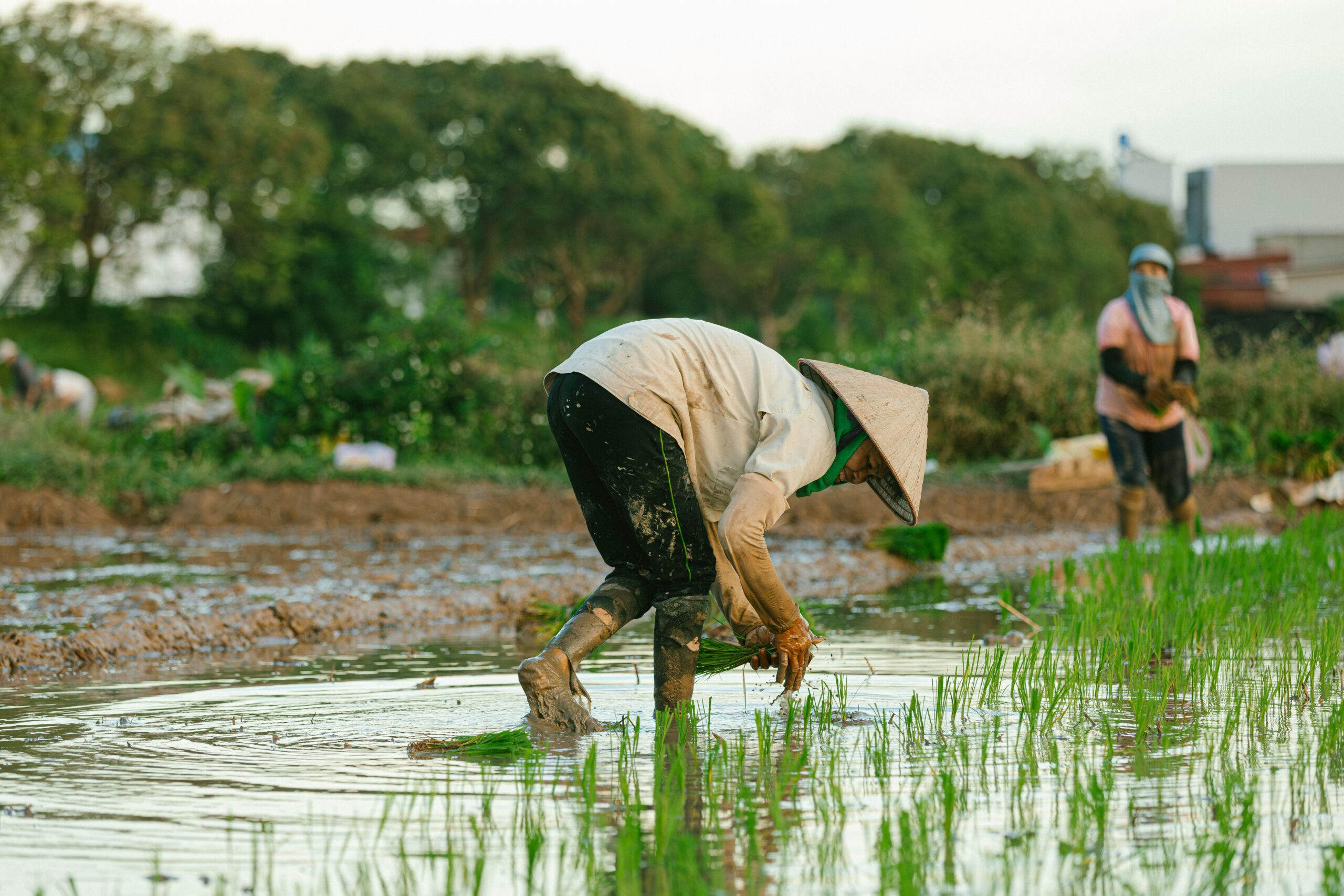
Gardening and agriculture have shifted towards organic practices for both health and environmental reasons. However, many gardeners struggle with pests, diseases, and weeds. Chemical solutions are often effective but harmful. The key is knowing organic best control methods that actually work—strategies that are safe, proven, and sustainable.
This guide covers practical, evidence-based methods for controlling pests, weeds, and diseases organically, helping you maintain a healthy garden all year.
Why Organic Control Methods Matter
Organic control methods are essential because they:
-
Reduce chemical residues in food and soil
-
Protect beneficial insects and pollinators
-
Prevent long-term environmental damage
-
Improve soil health and plant resilience
Using effective organic solutions ensures your garden thrives naturally, without depending on synthetic pesticides.
Types of Organic Control Methods
Organic control methods are categorized based on the target problem: pests, diseases, and weeds.
1. Biological Control
-
Uses natural predators or microorganisms to control pests
-
Examples: Ladybugs for aphids, nematodes for soil-borne pests
-
Mechanism: Reduces pest populations naturally, preventing infestations
2. Mechanical Control
-
Physical actions to remove or block pests and weeds
-
Examples: Handpicking caterpillars, using traps, mulching to suppress weeds
-
Mechanism: Directly eliminates pests and prevents their spread
3. Cultural Control
-
Involves changing planting methods to reduce pest or disease problems
-
Examples: Crop rotation, proper spacing, intercropping
-
Mechanism: Disrupts pest life cycles and limits favorable conditions
4. Organic Chemical Control
-
Natural compounds derived from plants or minerals
-
Examples: Neem oil, garlic sprays, insecticidal soaps
-
Mechanism: Deters or kills pests without synthetic chemicals
Organic Pest Control Methods That Actually Work
Pests are the most common threat to garden health. The following methods are highly effective:
1. Beneficial Insects
-
Ladybugs, lacewings, and predatory wasps control aphids, mealybugs, and whiteflies
-
Introduce predators during early infestations for maximum effectiveness
2. Neem Oil
-
Extracted from the neem tree, effective against aphids, mites, and fungal pests
-
Application: Spray leaves thoroughly, including undersides, every 7-10 days
-
Safe for pollinators when used early in the morning or late evening
3. Insecticidal Soap
-
Soap solutions disrupt the cell membranes of soft-bodied insects
-
Effective against aphids, whiteflies, and spider mites
-
Application: Mix mild liquid soap with water and spray affected plants
4. Garlic and Chili Sprays
-
Natural repellents for insects
-
Application: Blend garlic or chili with water, strain, and spray leaves
-
Safe for most vegetables, flowers, and fruit plants
5. Handpicking and Traps
-
Manually remove larger pests like caterpillars and slugs
-
Beer traps or sticky traps effectively control snails and flying insects
6. Companion Planting
-
Plant pest-repelling species alongside crops
-
Examples: Marigolds near tomatoes, basil near peppers, nasturtiums for aphids
-
Benefits: Reduces infestations and enhances plant health
Organic Disease Control Methods
Diseases affect plant growth, yield, and quality. The following methods prevent and control infections:
1. Crop Rotation
-
Avoid planting the same species in the same soil consecutively
-
Reduces soil-borne pathogens and prevents disease buildup
2. Proper Watering Practices
-
Water at the base to avoid wet leaves, which attract fungi
-
Use drip irrigation to reduce humidity around foliage
3. Resistant Varieties
-
Plant cultivars known for resistance to powdery mildew, blight, or rust
-
Reduces reliance on sprays and interventions
4. Organic Fungicides
-
Copper-based or sulfur-based sprays effectively control fungal diseases
-
Apply preventively and follow label directions for organic certification
5. Pruning and Sanitation
-
Remove infected leaves and branches promptly
-
Clean tools to prevent cross-contamination between plants
Organic Weed Control Methods
Weeds compete with plants for nutrients, water, and sunlight. Organic methods include:
1. Mulching
-
Use straw, wood chips, or leaves to suppress weed growth
-
Retains moisture and improves soil quality
2. Hand Weeding
-
Manually remove weeds before they set seeds
-
Effective for small gardens or areas with dense crops
3. Solarization
-
Cover soil with clear plastic for 4-6 weeks in hot weather
-
Heat kills weed seeds and some soil pathogens
4. Cover Crops
-
Plant legumes or grasses to outcompete weeds naturally
-
Adds organic matter to soil, enhancing fertility
5. Vinegar Sprays
-
Acetic acid effectively kills small weeds
-
Apply carefully to avoid contact with desirable plants
Seasonal Organic Control Tips
Organic strategies vary by season:
Spring
-
Introduce beneficial insects early
-
Apply neem or garlic sprays to seedlings
-
Mulch soil to prevent weed germination
Summer
-
Monitor for spider mites, whiteflies, and caterpillars
-
Handpick pests and use traps regularly
-
Water in the morning to reduce fungal risk
Fall
-
Clean up fallen leaves and debris to remove overwintering pests
-
Prune diseased branches and dispose of them safely
-
Prepare soil for cover crops
Winter
-
Inspect stored bulbs and seeds for pests
-
Use row covers or greenhouses to protect sensitive plants
-
Maintain minimal watering to prevent mold or fungal outbreaks
Integrated Organic Pest Management (IOPM)
IOPM combines multiple organic methods for maximum effectiveness:
-
Preventive Measures: Healthy soil, crop rotation, resistant varieties
-
Monitoring: Weekly inspections, sticky traps, and early detection
-
Control: Biological agents, organic sprays, pruning, and mechanical removal
-
Evaluation: Assess effectiveness and adjust methods accordingly
IOPM ensures long-term garden health while minimizing chemical interventions.
Common Mistakes to Avoid
-
Overwatering, which attracts pests and promotes fungal growth
-
Ignoring early infestations, allowing populations to explode
-
Using harsh chemical substitutes, killing beneficial insects
-
Neglecting garden hygiene, leaving weeds or diseased plants unattended
-
Repeatedly planting the same crop, encouraging pest buildup
Quick Reference Table: Organic Control Methods
| Target | Method | Examples/Details | Application Tips |
|---|---|---|---|
| Pests | Beneficial insects | Ladybugs, lacewings, predatory wasps | Introduce early, monitor weekly |
| Pests | Neem oil | Aphids, mites, whiteflies | Spray leaves, including undersides |
| Pests | Insecticidal soap | Aphids, whiteflies, spider mites | Mix mild soap + water, spray weekly |
| Pests | Companion planting | Marigolds, basil, nasturtiums | Plant near susceptible crops |
| Diseases | Crop rotation | Avoid same crop in same plot | Rotate annually |
| Diseases | Organic fungicides | Copper, sulfur | Apply preventively, follow label |
| Weeds | Mulching | Straw, leaves, wood chips | 2-3 inch layer around plants |
| Weeds | Solarization | Clear plastic over soil | 4-6 weeks in summer heat |
FAQs
Q1: Are organic control methods as effective as chemicals?
-
Yes, when applied consistently and combined with preventive strategies. They also protect the environment and beneficial insects.
Q2: How often should I apply organic sprays?
-
Typically every 7-10 days, or after heavy rainfall, depending on the product and pest pressure.
Q3: Can organic methods be used for large farms?
-
Absolutely. Many commercial farms use integrated organic strategies combined with natural predators and biological products.
Q4: Do beneficial insects harm plants?
-
No, they only target pests. They are safe for plants, humans, and pets.
Q5: Is mulching necessary for weed control?
-
Yes. Mulching suppresses weeds, conserves moisture, and improves soil structure.
Conclusion
Using organic best control methods that actually work ensures a healthy, productive, and environmentally friendly garden. By combining biological, mechanical, cultural, and natural chemical strategies, gardeners can:
-
Prevent pest infestations
-
Control diseases
-
Suppress weeds
-
Enhance plant growth and soil health
Consistency, monitoring, and season-specific care are essential. These methods are not just alternatives—they are proven solutions that provide long-term garden success.