
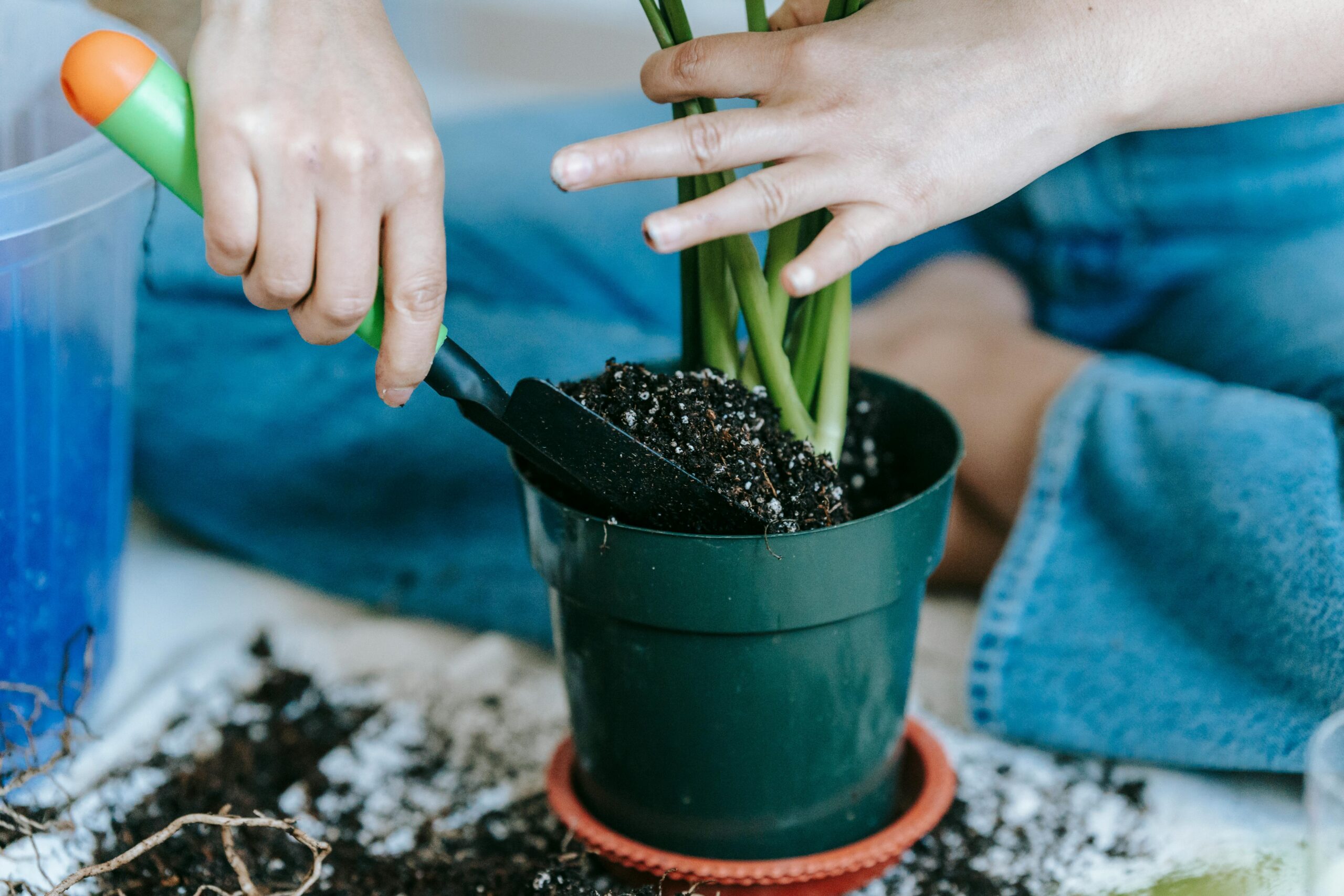
Healthy, thriving gardens start with healthy soil. Choosing the right natural fertilizers ensures plants grow strong, flowers bloom abundantly, and fruits and vegetables develop full flavor. Unlike synthetic fertilizers, natural options feed your soil and plants without harming the environment.
Natural fertilizers come in multiple forms—from compost and manure to plant-based and mineral sources. Selecting the right one depends on soil health, plant type, and growth stage. Proper application leads to stronger roots, higher yields, and sustainable, eco-friendly gardening.
Why Use Natural Fertilizers
Natural fertilizers provide essential nutrients, including nitrogen (N), phosphorus (P), potassium (K), and trace minerals. They improve soil aeration, water retention, and support beneficial microorganisms.
Plants grown with natural fertilizers develop stronger roots, healthier foliage, and better resistance to disease. They also reduce dependency on chemical inputs, creating a safe environment for children, pets, and pollinators.
Key benefits:
-
Improves soil structure
-
Provides slow-release nutrients
-
Reduces chemical runoff
-
Supports sustainable gardening practices
Top Natural Fertilizers for Home Gardens
1. Compost
Compost is decomposed organic matter from kitchen scraps, garden clippings, and leaves. It enriches soil while improving texture and water retention.
Benefits:
-
Enhances soil fertility
-
Retains moisture
-
Encourages microbial growth
Application: Spread 2–3 inches over the soil surface or mix into planting beds before sowing. Apply as a top dressing for established plants every 4–6 weeks.
2. Manure
Animal manure from cows, chickens, and horses is a nutrient-rich fertilizer high in nitrogen, phosphorus, and potassium. Well-composted manure avoids burning plants.
Benefits:
-
Boosts nutrient levels
-
Improves soil structure
-
Encourages healthy root growth
Application: Apply 1–2 inches around plants or incorporate into soil. Avoid fresh manure on seedlings.
3. Bone Meal
Bone meal is powdered animal bones, high in phosphorus and calcium, which promotes root development and flowering.
Benefits:
-
Strengthens roots
-
Promotes flowering and fruiting
-
Prevents blossom-end rot in vegetables like tomatoes
Application: Mix 2–3 tablespoons per plant at planting or sprinkle around mature plants.
4. Fish Emulsion
Fish emulsion is a liquid fertilizer made from processed fish, providing nitrogen and trace minerals for rapid growth.
Benefits:
-
Encourages leafy growth
-
Provides immediate nutrient boost
-
Safe for organic gardens
Application: Dilute as instructed on the label and apply every 2–4 weeks, either to soil or as a foliar spray.
5. Seaweed Fertilizer
Seaweed contains potassium, micronutrients, and natural growth hormones, supporting plant resilience and soil health.
Benefits:
-
Stimulates root growth
-
Enhances nutrient uptake
-
Improves stress resistance
Application: Apply as a liquid spray or mix into soil every 2–3 weeks.
6. Worm Castings
Vermicompost or worm castings are nutrient-rich excretions from earthworms that improve soil fertility and microbial activity.
Benefits:
-
Provides slow-release nutrients
-
Enhances soil structure
-
Boosts seed germination
Application: Mix 1–2 inches into soil or use as a top dressing around plants.
7. Coffee Grounds
Used coffee grounds add nitrogen, organic matter, and trace minerals, improving soil structure and attracting earthworms.
Benefits:
-
Improves soil fertility
-
Increases acidity for acid-loving plants
-
Encourages beneficial soil organisms
Application: Sprinkle around plants or mix into compost piles. Use sparingly to avoid over-acidifying the soil.
8. Eggshells
Crushed eggshells provide calcium, which is essential for preventing blossom-end rot and strengthening plant cell walls.
Benefits:
-
Supplies calcium
-
Improves soil pH
-
Deters pests like slugs
Application: Crush finely and sprinkle around plants or mix into soil before planting.
9. Green Manures
Green manure crops like clover, alfalfa, or rye are grown specifically to be turned into the soil, improving fertility and structure.
Benefits:
-
Fixes nitrogen
-
Reduces soil erosion
-
Improves soil organic matter
Application: Plant cover crops, allow them to grow, then cut and incorporate into the soil before flowering.
10. Epsom Salt
Epsom salt provides magnesium and sulfur, essential for chlorophyll production and nutrient absorption.
Benefits:
-
Supports leafy growth
-
Prevents magnesium deficiency
-
Promotes flowering
Application: Dissolve 1–2 tablespoons in a gallon of water and apply to soil or as a foliar spray every 4–6 weeks.
Combining Natural Fertilizers
Using multiple natural fertilizers can create balanced nutrition for your garden:
-
Compost + Bone Meal: Adds nitrogen, phosphorus, and organic matter for flowering plants.
-
Fish Emulsion + Seaweed: Provides a fast nutrient boost and strengthens plant resilience.
-
Worm Castings + Coffee Grounds: Improves microbial activity and soil structure.
Rotating and combining fertilizers prevents nutrient depletion and maintains healthy soil biology.
Fertilizer Selection by Plant Type
-
Leafy Greens: High nitrogen fertilizers like compost, manure, and fish emulsion
-
Flowering Plants: Phosphorus-rich options like bone meal or green manure
-
Fruit-bearing Plants: Balanced fertilizers with nitrogen, phosphorus, and potassium
Always adjust fertilizers according to soil test results to avoid over-application.
Seasonal Fertilizer Schedule
Spring: Focus on compost and manure to boost initial growth
Summer: Use fish emulsion and seaweed for continuous growth and flowering
Fall: Apply bone meal or worm castings to strengthen roots before winter
Winter: Incorporate green manure or compost into soil to improve fertility for the next season
Troubleshooting Common Nutrient Deficiencies
-
Nitrogen Deficiency: Yellowing leaves, stunted growth. Remedy: Apply compost, manure, or fish emulsion.
-
Phosphorus Deficiency: Slow root development, poor flowering. Remedy: Use bone meal or rock phosphate.
-
Potassium Deficiency: Weak stems, curling leaves. Remedy: Apply kelp or wood ash.
-
Magnesium Deficiency: Yellowing between leaf veins. Remedy: Use Epsom salt.
-
Calcium Deficiency: Blossom-end rot in tomatoes, peppers. Remedy: Add crushed eggshells or bone meal.
Enhancing Fertilizer Benefits with Organic Practices
-
Mulching: Helps retain soil moisture and nutrient levels
-
Crop Rotation: Prevents nutrient depletion and soil-borne diseases
-
Companion Planting: Boosts growth naturally; e.g., legumes fix nitrogen for neighboring plants
-
Beneficial Microorganisms: Add mycorrhizal fungi or compost tea to enhance nutrient uptake
Organic Pest and Disease Control Synergy
Natural fertilizers often improve plant immunity, reducing pest and disease susceptibility. Some practices include:
-
Seaweed Sprays: Strengthen leaves to resist fungal infections
-
Compost Application: Encourages beneficial microbes that outcompete harmful pathogens
-
Coffee Grounds & Eggshells: Deter pests like slugs, snails, and root-feeding insects
Integrating fertilizer and pest management creates a self-sustaining garden ecosystem.
Common Mistakes to Avoid
-
Using fresh manure on young plants
-
Over-fertilizing, which can burn roots or cause nutrient imbalance
-
Ignoring soil tests and guessing fertilizer needs
-
Using the same fertilizer year-round without rotation
-
Overlooking organic alternatives in favor of chemical fertilizers
Conclusion
The best natural fertilizers for home gardens include compost, manure, bone meal, fish emulsion, seaweed, worm castings, coffee grounds, eggshells, green manures, and Epsom salt. Each provides specific nutrients that support plant growth, improve soil structure, and enhance microbial activity.
Selecting the right fertilizer depends on your plant type, soil health, and growth stage. Applying these natural solutions correctly will give you healthier plants, higher yields, and a sustainable, eco-friendly garden year-round. Combining fertilizers, following seasonal schedules, and integrating organic practices ensures maximum results for home gardeners.
Natural fertilizers are more than just plant food—they are the foundation of a thriving garden ecosystem, promoting long-term soil health and sustainable growth for every plant you cultivate.