
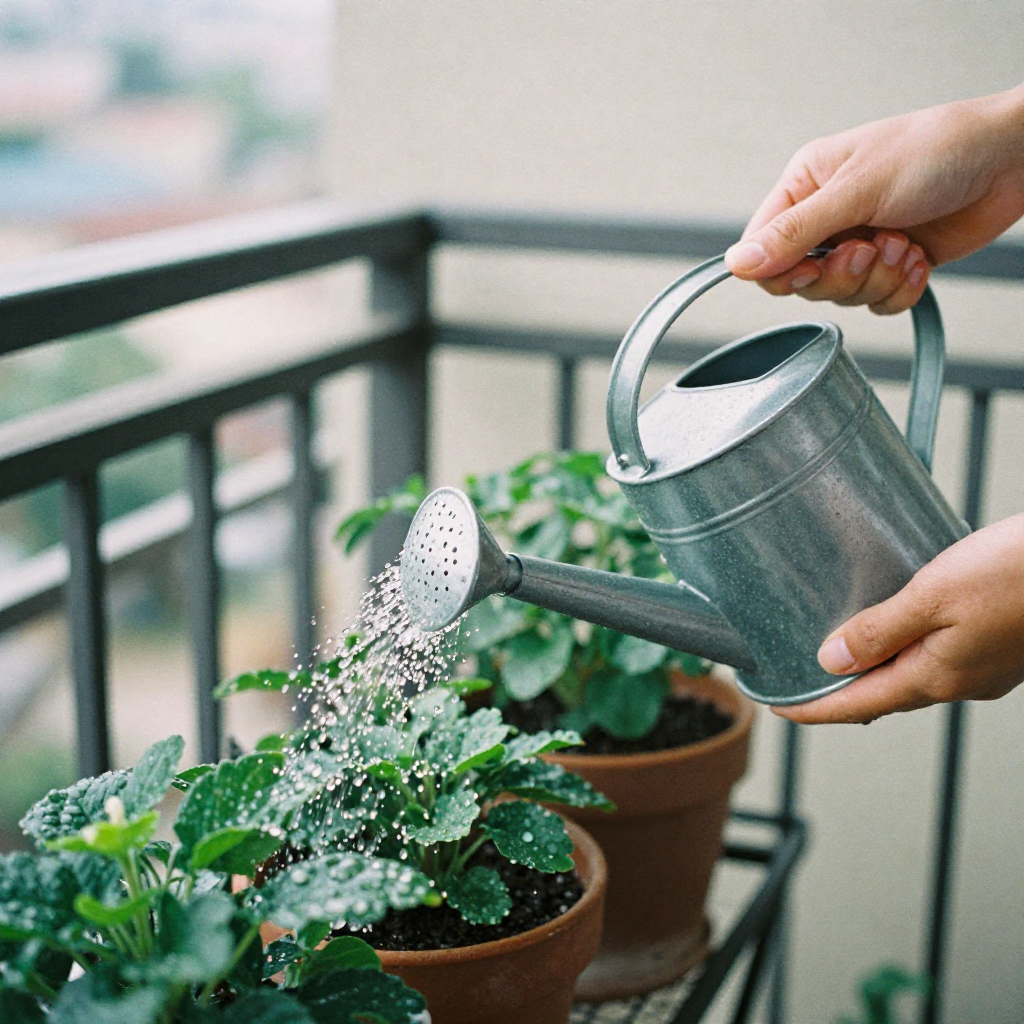
Watering garden plants is one of the most common questions for gardeners, yet it often confuses even experienced plant owners. The frequency of watering depends on multiple factors, including plant type, soil, climate, season, and garden setup. Understanding these factors is essential to avoid overwatering or underwatering, both of which can harm plants.
Providing the right amount of water ensures plants grow fast, stay healthy, and produce abundant flowers or vegetables. By observing and adjusting watering schedules, you can maintain a thriving garden with minimal waste.
Why Watering Frequency Matters
Correct watering is critical for plant health. Too much water can cause root rot, fungal infections, and slow growth. Too little water causes wilting, yellowing leaves, and reduced yield. Efficient watering not only conserves water but also strengthens plant roots, improves nutrient absorption, and supports healthy flowering and fruiting.
Gardeners often ask whether watering should be daily or weekly. The answer varies with plant type, weather conditions, and soil composition. Learning how to judge plant needs by visual cues and soil moisture levels is crucial for optimal care.
Factors Affecting How Often to Water
Plant Type
Different plants have different water requirements. Succulents and cacti store water in their leaves and need infrequent watering. Leafy vegetables like lettuce and spinach require more consistent moisture. Flowering plants such as marigolds or zinnias need moderate watering to bloom optimally.
Soil Type
Sandy soil drains water quickly and requires more frequent watering. Clay soil retains moisture longer but can become waterlogged if overwatered. Loamy soil offers a balanced water-holding capacity, reducing the need for frequent watering.
Climate and Weather
Hot, dry climates increase evaporation and plant water needs. Humid or rainy environments reduce the need for frequent watering. During heatwaves, daily watering may be necessary, while cooler, rainy periods might require no additional watering.
Garden Setup
Raised beds, container gardens, and indoor plants all influence watering frequency. Containers dry out faster than ground soil and need regular attention. Mulched beds reduce evaporation and conserve water.
How to Determine Watering Frequency
Check Soil Moisture
Insert your finger about 2 inches into the soil. If it feels dry, it’s time to water. If it’s still moist, wait another day or two. For container plants, check the bottom layer, as top soil may dry faster than roots.
Observe Plant Signs
Wilting, curling leaves, or dull coloration indicate water stress. Overwatered plants show yellowing leaves, soft stems, or mold growth. Learning to read these signals helps adjust watering without strict schedules.
Use Tools
Soil moisture meters provide accurate readings and reduce guesswork. Timers and drip irrigation systems ensure consistent watering, especially for busy gardeners.
Recommended Watering Schedule
Daily Watering
Some plants, such as seedlings or shallow-rooted vegetables, benefit from daily watering. Early morning is the best time to water, as it reduces evaporation and allows plants to absorb moisture before heat stress occurs.
Every Other Day
Most garden vegetables, herbs, and flowers thrive with watering every other day. Adjust based on weather; during hot, dry periods, daily watering may be necessary, while cooler days allow longer intervals.
Weekly Watering
Deep-rooted shrubs, trees, and established perennials often require only once-weekly watering. Slow, deep watering encourages roots to grow downwards, strengthening plants against drought.
Seasonal Adjustments
During summer, gardens need more frequent watering. Spring and fall may require moderate schedules. Winter watering depends on rainfall and plant dormancy. Always consider seasonal rainfall before adding irrigation.
How Much Water to Apply
A general guideline is to apply 1-2 inches of water per week for most garden plants. For containers, water until it drains from the bottom to ensure thorough root hydration. Avoid shallow watering, which encourages weak, shallow roots and increases stress during dry periods.
Techniques for Efficient Watering
Drip Irrigation
Delivers water directly to plant roots with minimal evaporation. Ideal for busy gardeners and water conservation. Can be automated with timers.
Soaker Hoses
Soaker hoses spread water along garden rows, reducing runoff. They provide slow, consistent moisture for vegetables and flowers.
Mulching
Mulch retains soil moisture, reduces evaporation, and prevents weed growth. Organic mulches, such as straw or wood chips, improve soil fertility as they decompose.
Watering Early
Water in the early morning to allow leaves to dry during the day. This reduces fungal problems and ensures water reaches roots efficiently. Avoid late afternoon watering, which can leave leaves wet overnight and promote disease.
Indoor Plant Watering Tips
Indoor plants require careful attention to avoid root rot. Use pots with drainage holes to prevent waterlogging. Water only when the top 1-2 inches of soil are dry. Group plants with similar water needs together for consistent care.
Common Watering Mistakes
Overwatering is a common problem, leading to root rot, mold, and plant death. Avoid watering on a fixed schedule without checking soil moisture. Underwatering causes wilting, nutrient deficiencies, and stunted growth. Avoid watering leaves excessively, as it can encourage fungal growth. Watering too quickly or shallowly prevents roots from absorbing enough moisture.
Special Considerations
Newly Planted Seeds and Seedlings
Require consistent moisture for germination. Light, frequent watering keeps soil moist without washing away seeds. Gradually reduce frequency as seedlings establish roots.
Vegetables and Fruit-Bearing Plants
Require deeper, consistent watering to support flowering and fruit set. Uneven watering can cause blossom drop, cracked fruit, or reduced yield.
Shrubs and Trees
Require deep watering once or twice a week. Young trees need more frequent watering until roots establish. Deep watering encourages roots to grow downwards, increasing drought resilience.
Potted Plants
Pots dry faster than ground soil. Check moisture daily, especially in hot weather. Use self-watering containers to reduce the risk of drying out.
Watering Techniques to Encourage Healthy Roots
Water deeply rather than frequently. Deep watering encourages roots to grow lower in the soil, strengthening the plant. Shallow watering encourages surface roots, which are vulnerable to drought and temperature fluctuations.
Apply water slowly to allow it to soak into the soil. Avoid running sprinklers for long periods, which can create runoff and water wastage.
Monitoring and Adjusting
Regularly monitor plants for signs of overwatering or underwatering. Adjust schedules based on seasonal changes, rainfall, and plant growth stages. Keeping a simple garden journal helps track watering habits and plant responses over time.
Step-by-Step Guide for Busy Gardeners
Assess your garden layout and soil type. Identify plant types and water needs. Check soil moisture daily or weekly based on plant requirements. Use mulch and efficient watering systems. Water early in the morning or late afternoon as appropriate. Monitor plant health and adjust schedules. Harvest and prune regularly to reduce stress on plants. Rotate crops and refresh soil seasonally for optimal growth.
Tips for Water Conservation
Water in the morning to minimize evaporation. Use drip irrigation and soaker hoses. Collect rainwater for garden use. Mulch to retain soil moisture. Group plants by water needs to avoid overwatering. Avoid excessive watering of lawns and ornamental plants.
Frequently Asked Questions
How often should I water vegetable gardens? Most vegetables need watering every 2-3 days. Adjust for hot or dry conditions.
Do flowering plants need daily watering? Typically, every other day is sufficient. Check soil moisture for individual needs.
Should I water during rain? No additional watering is required unless soil dries out.
How do I avoid overwatering potted plants? Ensure drainage holes and water only when topsoil is dry.
Does soil type affect watering frequency? Yes. Sandy soil requires frequent watering, clay soil retains moisture longer, and loamy soil is balanced.
Conclusion
How often you should water garden plants depends on plant type, soil, climate, and season. Observing soil moisture, plant health, and environmental conditions ensures plants grow healthy and strong. Efficient techniques such as deep watering, drip irrigation, and mulching save time and water. By adjusting schedules based on observation rather than fixed routines, you maintain thriving plants without waste. A properly watered garden produces better yields, vibrant flowers, and resilient plants. Start today by assessing your garden’s unique needs and applying these strategies to ensure optimal growth.