
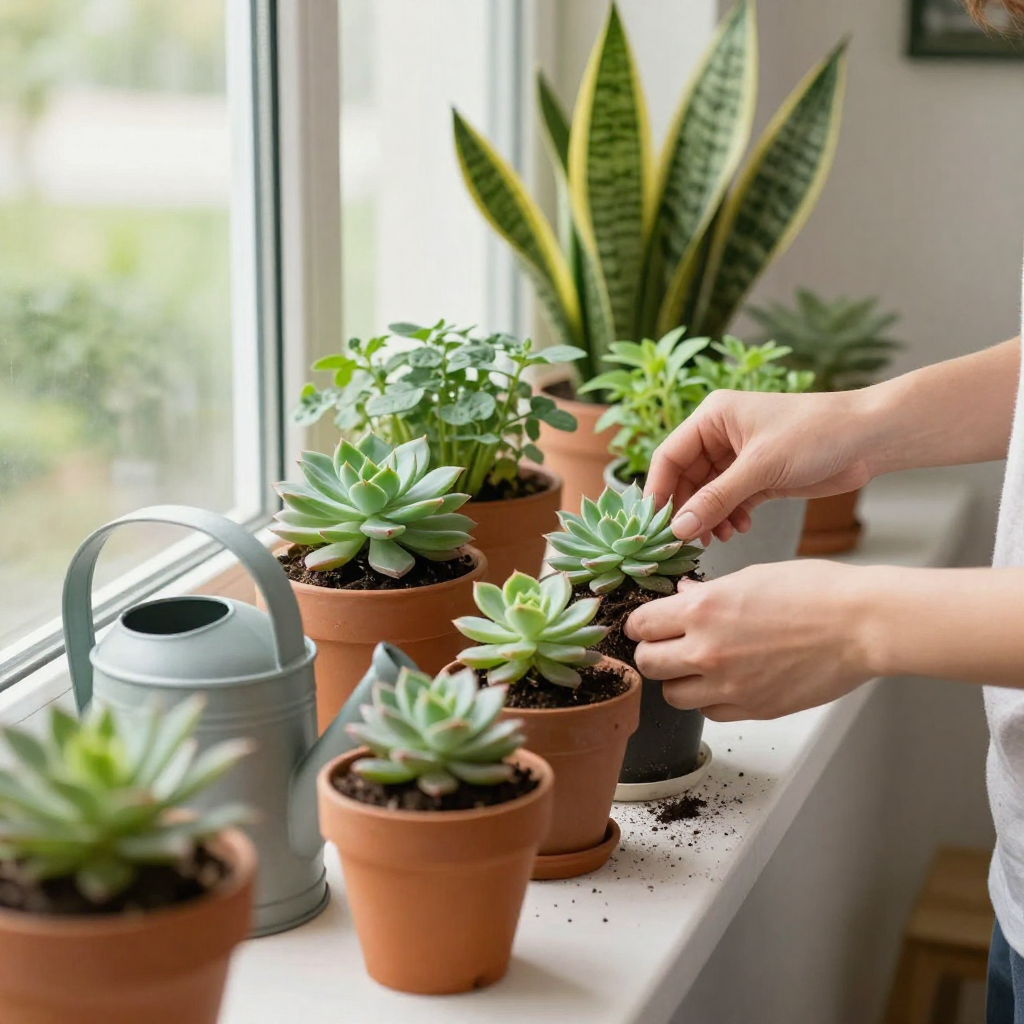
Gardening at home is a rewarding activity, but many people avoid it due to lack of time. Even with a busy schedule, you can grow a thriving garden by focusing on time-efficient strategies, selecting fast-growing plants, and using smart techniques. A small but well-planned garden can provide fresh vegetables, herbs, and flowers while improving mental well-being and home aesthetics.
By implementing simple steps and focusing on high-value, low-maintenance plants, busy people can enjoy gardening without feeling overwhelmed.
Why Busy People Should Garden
Even a small amount of gardening can improve health and lifestyle. Gardening reduces stress, increases focus, and encourages a healthier diet with homegrown vegetables and herbs. Time-efficient gardening allows people to see results quickly, which motivates consistent care and enjoyment.
Gardening at home offers benefits such as increased oxygen levels, improved mood, and access to fresh, organic produce. Even a balcony or small patio can become a productive garden with proper planning.
Planning a Busy-Friendly Garden
Start small to avoid overcommitment. A few containers, a raised bed, or a vertical garden can provide a manageable gardening experience. Large gardens require more time for watering, weeding, and maintenance, which busy people cannot consistently provide.
Select areas with enough sunlight. Most vegetables and herbs need six to eight hours of light daily. If natural sunlight is limited indoors, supplement with grow lights. Keep plants in locations that are easy to access to save time during watering and harvesting.
Choose plants that are fast-growing and low-maintenance. Herbs such as basil, mint, and chives, vegetables like lettuce, radishes, and spinach, and flowers such as marigolds or zinnias are ideal for busy schedules. Indoor plants like pothos and spider plants can also thrive with minimal attention.
Soil and Containers
Quality soil is essential for plant growth. Fast-growing plants need nutrient-rich, well-draining soil. Adding compost or organic matter improves fertility and water retention, reducing the need for frequent fertilization.
Container selection is important for time efficiency. Self-watering pots reduce daily watering tasks. Hanging baskets, vertical planters, or stackable containers maximize space for small areas and minimize maintenance. Mulching prevents evaporation, reduces weed growth, and stabilizes soil temperature, making plant care easier.
Watering Techniques for Busy People
Automation is key to reducing time spent watering. Drip irrigation or self-watering containers ensure consistent moisture without daily attention. Water in the early morning to reduce evaporation and prevent fungal diseases. For indoor plants, check soil moisture weekly and avoid overwatering, which is a common problem.
Fertilization Made Simple
Use slow-release organic fertilizers to reduce the frequency of application. Liquid fertilizers every two to three weeks support healthy, fast-growing plants. Composting kitchen scraps can provide a natural and continuous nutrient supply without the need for chemical fertilizers.
Fast-Growing Plants for Busy People
Vegetables like radishes, lettuce, and spinach grow in 3-6 weeks, providing quick harvests. Green beans grow in 6-8 weeks and can be trained vertically to save space. Herbs such as basil, mint, chives, and cilantro grow rapidly and respond well to regular harvesting. Flowers like marigolds, zinnias, and calendula bloom in six to eight weeks, brightening gardens with minimal maintenance. Indoor plants like pothos and spider plants propagate quickly and thrive with minimal attention.
Time-Saving Gardening Techniques
Vertical gardening maximizes space and reduces the need to bend or kneel for maintenance. Companion planting pairs plants that support each other’s growth and reduce pest problems. Succession planting ensures a continuous harvest by planting crops in intervals. Automation through timers, self-watering pots, or grow lights saves significant time for busy gardeners. Container gardening allows for flexibility, mobility, and reduced watering and maintenance requirements.
Minimal Maintenance Strategies
Choose disease-resistant plant varieties to avoid frequent pest control. Regularly prune dead leaves and flowers to keep plants healthy. Remove weeds weekly to reduce competition for nutrients. Rotate crops or refresh soil seasonally to maintain plant productivity. Organize tools to save time and avoid searching for equipment during gardening tasks.
Suggested Gardening Schedule for Busy People
Watering 2-3 times per week, fertilizing every 2-3 weeks, pruning weekly, and harvesting as needed can maintain a thriving garden. Weekly inspection for pests and disease helps prevent major problems. Following a schedule ensures minimal daily effort while keeping plants healthy.
Maximizing Plant Growth
Ensure at least six hours of sunlight daily for outdoor and indoor gardens. Keep soil consistently moist but avoid waterlogging. Light and regular fertilization improves growth for fast-growing plants. Harvesting early encourages regrowth and prevents plants from becoming overripe. Avoid overcrowding to maintain airflow and prevent disease.
Troubleshooting Common Issues
Yellow leaves indicate overwatering or nutrient deficiencies. Leggy growth occurs due to insufficient light. Poor germination may result from low-quality seeds or inconsistent watering. Common pests like aphids or mites can be treated with neem oil or insecticidal soap. Monitoring plants regularly allows early intervention and keeps the garden thriving.
Step-by-Step Plan for Busy Gardeners
Select a small garden space or containers. Choose fast-growing, low-maintenance plants. Prepare soil and containers properly. Plant seeds or seedlings according to instructions. Use self-watering systems or drip irrigation to reduce watering tasks. Fertilize lightly every 2-3 weeks. Prune dead leaves and flowers regularly. Harvest produce and flowers as needed. Monitor for pests weekly and treat with natural solutions. Rotate crops or refresh soil to maintain productivity.
Advanced Tips for Maximum Efficiency
Use vertical racks and hanging baskets to save space. Group plants by water and sunlight needs to reduce effort. Use mulch to reduce watering frequency. Plant perennials alongside annuals for year-round gardening. Automate light and humidity controls for indoor plants to minimize attention. Grow plants in zones, focusing on those that yield fast results to maintain motivation.
Low-Maintenance Garden Ideas
Indoor herb gardens on windowsills. Balcony gardens with vertical racks. Raised beds in small backyards. Container gardens for vegetables and fast-growing flowers. Hanging baskets with trailing plants like ivy or pothos. Succession planting to maintain continuous harvests. Use drought-resistant varieties to reduce watering needs.
FAQ About Home Gardening for Busy People
Can I garden with less than 30 minutes a day? Yes, by using fast-growing plants, container gardens, and automated watering systems. Which vegetables grow fastest? Radishes, lettuce, spinach, and green beans grow in under two months. Which herbs require minimal attention? Basil, mint, chives, and cilantro are ideal. Can indoor plants thrive for busy gardeners? Pothos, spider plants, and lucky bamboo grow quickly with little care. How do I prevent pests efficiently? Inspect weekly, use companion planting, and natural remedies such as neem oil.
Conclusion
Busy people can successfully maintain a thriving home garden by selecting fast-growing plants, using efficient containers, and implementing smart gardening strategies. A small time investment can yield fresh vegetables, herbs, and flowers while improving home aesthetics and well-being. By planning carefully, using automation, and maintaining a simple routine, gardening can fit seamlessly into a busy lifestyle. Start today and enjoy the benefits of home gardening with minimal effort.