
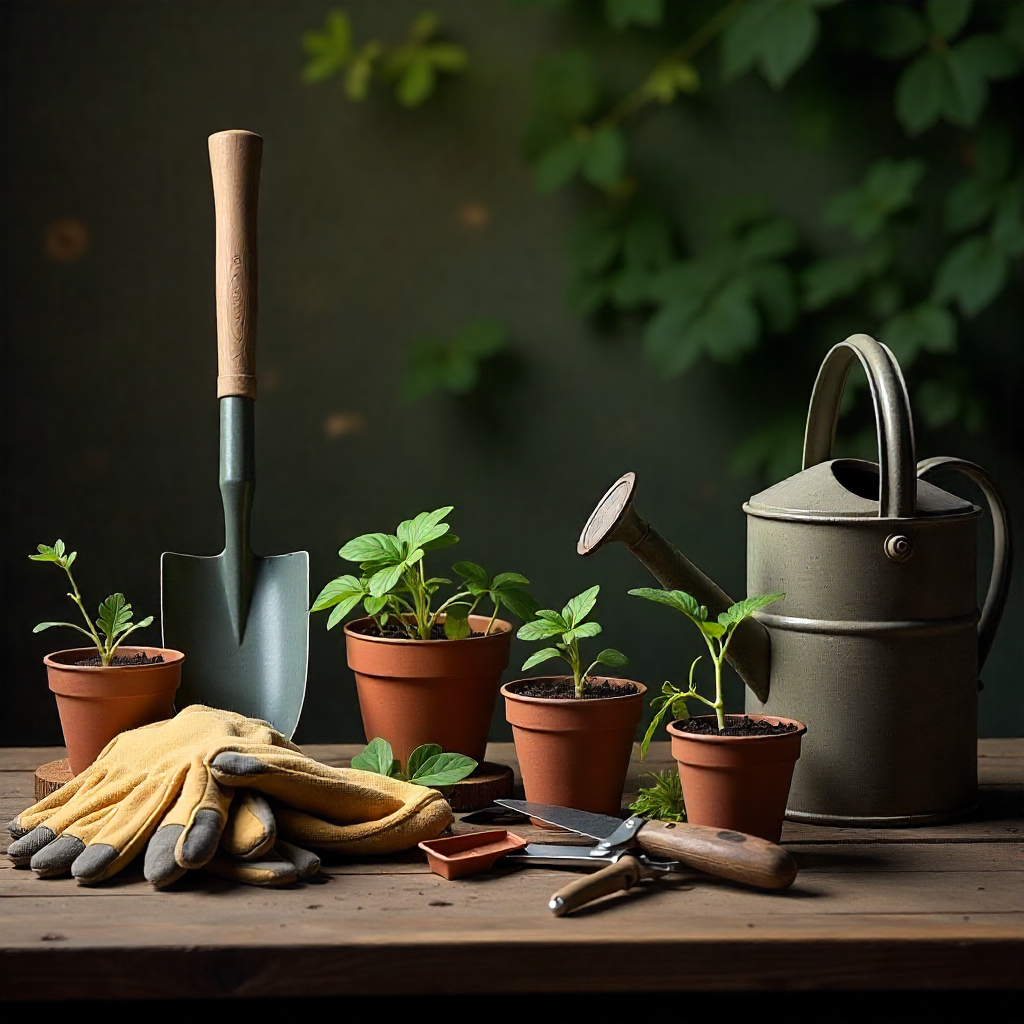
Gardening is rewarding, but beginners often struggle with knowing which tools to start with. The right tools save time, reduce effort, and make gardening enjoyable. Many first-time gardeners buy unnecessary equipment, while overlooking essential basics.
This guide covers basic gardening tools every beginner needs, explains their use, and gives tips for maintenance. By the end, you will know exactly what to buy and how to use each tool effectively.
Why Beginners Need the Right Gardening Tools
Starting a garden without proper tools is frustrating.
-
Tasks like digging, planting, and pruning become difficult.
-
Using improper tools can damage plants or cause injuries.
-
Investing in the right tools ensures efficiency, comfort, and long-term garden success.
Beginners should focus on quality and versatility rather than buying every tool available.
Essential Hand Tools for Every Beginner
Hand tools are the foundation of a beginner’s gardening kit. They are lightweight, versatile, and easy to use in small gardens.
1. Trowel
A trowel is a small, handheld shovel.
-
Uses: Digging holes, transplanting seedlings, and mixing soil.
-
Tips: Choose a trowel with a sturdy handle and rust-resistant blade.
-
Maintenance: Clean after each use and store in a dry place.
A quality trowel is indispensable for planting and small soil tasks.
2. Hand Fork
A hand fork is used to loosen soil in tight spaces.
-
Uses: Aerating soil, weeding, and mixing compost.
-
Tips: Opt for one with strong, pointed tines for tougher soil.
-
Maintenance: Rinse after use to prevent rust and soil buildup.
Hand forks are especially useful for container gardens or raised beds.
3. Pruning Shears
Also known as secateurs, pruning shears help maintain plant health.
-
Uses: Trimming branches, shaping shrubs, and cutting flowers.
-
Tips: Bypass pruners are best for live plants; anvil pruners work for dead wood.
-
Maintenance: Sharpen blades regularly and oil the pivot point.
Pruning shears improve plant growth and encourage flowering.
4. Garden Gloves
Gloves protect your hands from cuts, blisters, and soil-borne infections.
-
Uses: Handling thorny plants, digging, and carrying tools.
-
Tips: Choose gloves with breathable fabric and reinforced fingertips.
-
Maintenance: Wash gloves regularly and air dry.
Good gloves increase comfort and safety during gardening tasks.
5. Watering Can
Watering cans provide controlled watering for plants.
-
Uses: Watering seedlings, container plants, and delicate flowers.
-
Tips: A can with a detachable spout or rose makes watering precise and gentle.
-
Maintenance: Empty after use to prevent algae growth.
Watering cans are essential for gardens without irrigation systems.
Larger Tools for Digging and Soil Preparation
When working with larger garden areas, hand tools alone are not enough. Beginners need a few versatile long-handled tools.
6. Spade
A spade is a heavy-duty digging tool with a flat blade.
-
Uses: Digging beds, edging, and moving soil.
-
Tips: Look for a spade with a comfortable grip and durable steel blade.
-
Maintenance: Clean after use and sharpen periodically.
A spade saves energy when turning soil and digging larger holes.
7. Garden Hoe
Hoes are used to loosen soil and remove weeds.
-
Uses: Shallow cultivation, weed control, and creating furrows for planting.
-
Tips: A lightweight hoe is easier for beginners.
-
Maintenance: Store in a dry place and sharpen edges regularly.
Hoes reduce bending and make weeding much faster.
8. Rake
Rakes are versatile for leveling soil and clearing debris.
-
Uses: Removing leaves, spreading mulch, and smoothing soil surfaces.
-
Tips: A garden rake with flexible tines works for light tasks; a leaf rake is best for clearing leaves.
-
Maintenance: Remove debris after each use and hang to dry.
Rakes help maintain a tidy garden and prepare soil for planting.
Tools for Plant Support and Harvesting
Certain tools help with plant care, support, and harvesting. Beginners often underestimate their importance.
9. Garden Stakes and Ties
Stakes support tall or vining plants, keeping them upright.
-
Uses: Supporting tomatoes, beans, and climbing flowers.
-
Tips: Bamboo stakes are lightweight and sturdy. Use soft ties to avoid damaging stems.
-
Maintenance: Inspect regularly and replace damaged stakes.
Proper support prevents plant breakage and promotes healthy growth.
10. Garden Knife or Hori Hori
A multi-purpose knife is useful for digging, cutting, and dividing plants.
-
Uses: Cutting roots, planting bulbs, and harvesting vegetables.
-
Tips: Choose a knife with a sharp, serrated edge and durable handle.
-
Maintenance: Keep the blade clean and sharp.
A hori hori knife is a versatile tool for both planting and harvesting tasks.
11. Harvesting Tools
Specialized tools make collecting fruits and vegetables easier.
-
Uses: Shears for harvesting tomatoes or peppers, fruit pickers for tall plants.
-
Tips: Select tools based on the height and type of produce.
-
Maintenance: Clean and store in a dry place to prevent rust.
Proper harvesting tools reduce plant damage and improve efficiency.
Container and Indoor Gardening Tools
Many beginners start with container or indoor gardening. Specific tools improve care in these environments.
12. Potting Trowel
Smaller and lighter than a standard trowel, designed for pots.
-
Uses: Planting seedlings, mixing potting soil, and transplanting.
-
Tips: Look for ergonomic handles to reduce hand strain.
-
Maintenance: Clean after use and avoid metal corrosion.
Potting trowels are essential for indoor and container gardens.
13. Spray Bottle or Mister
A gentle spray maintains moisture for seedlings and indoor plants.
-
Uses: Humidifying plants, spraying pesticides, or foliar feeding.
-
Tips: Adjustable nozzles allow for fine mist or targeted spray.
-
Maintenance: Rinse regularly to prevent clogging.
Spray bottles prevent overwatering and support delicate plants.
Optional but Helpful Tools for Beginners
While not strictly essential, these tools improve convenience and efficiency.
14. Wheelbarrow or Garden Cart
Useful for moving soil, mulch, or plants.
-
Uses: Transporting heavy materials, clearing debris, and moving potted plants.
-
Tips: A lightweight, sturdy wheelbarrow with pneumatic tires works on all terrains.
-
Maintenance: Clean and store indoors to prevent rust.
A wheelbarrow saves effort, especially for larger gardens.
15. Soil Tester
A soil tester measures pH, moisture, and nutrient levels.
-
Uses: Ensuring optimal soil conditions for plant growth.
-
Tips: Digital testers provide precise readings.
-
Maintenance: Calibrate regularly according to instructions.
Understanding soil conditions increases gardening success and plant health.
Maintenance Tips for Beginner Gardening Tools
Taking care of tools ensures longevity and effectiveness:
-
Clean after Use: Remove soil and debris to prevent rust and damage.
-
Sharpen Blades: Keep shears, knives, and trowels sharp for precise work.
-
Oil Metal Parts: Prevent rust by applying light oil to steel components.
-
Store Properly: Hang or store tools in a dry area, away from sunlight and moisture.
Proper maintenance reduces replacement costs and keeps tools reliable.
Choosing Quality Tools on a Budget
Beginners often worry about costs.
-
Focus on versatile tools that cover multiple tasks.
-
Avoid buying full toolkits with unnecessary items.
-
Look for durable, rust-resistant materials rather than the cheapest options.
-
Check local hardware stores, garden centers, or online reviews for reliable brands.
Investing in a few high-quality tools is better than buying many low-quality ones.
Conclusion
Every beginner gardener needs a basic set of tools to succeed. Essential hand tools like trowels, hand forks, pruning shears, and gloves make planting, weeding, and trimming manageable. Long-handled tools like spades, hoes, and rakes handle larger tasks efficiently. Support tools like stakes, garden knives, and harvest tools protect plants and improve productivity.
For indoor or container gardening, potting trowels, spray bottles, and soil testers ensure proper care. Optional tools like wheelbarrows make gardening more convenient.
Maintaining tools properly, choosing quality over quantity, and understanding their uses ensures beginners enjoy gardening while achieving healthy plants and higher yields. Investing in the right tools from the start lays a strong foundation for a lifetime of gardening success.