
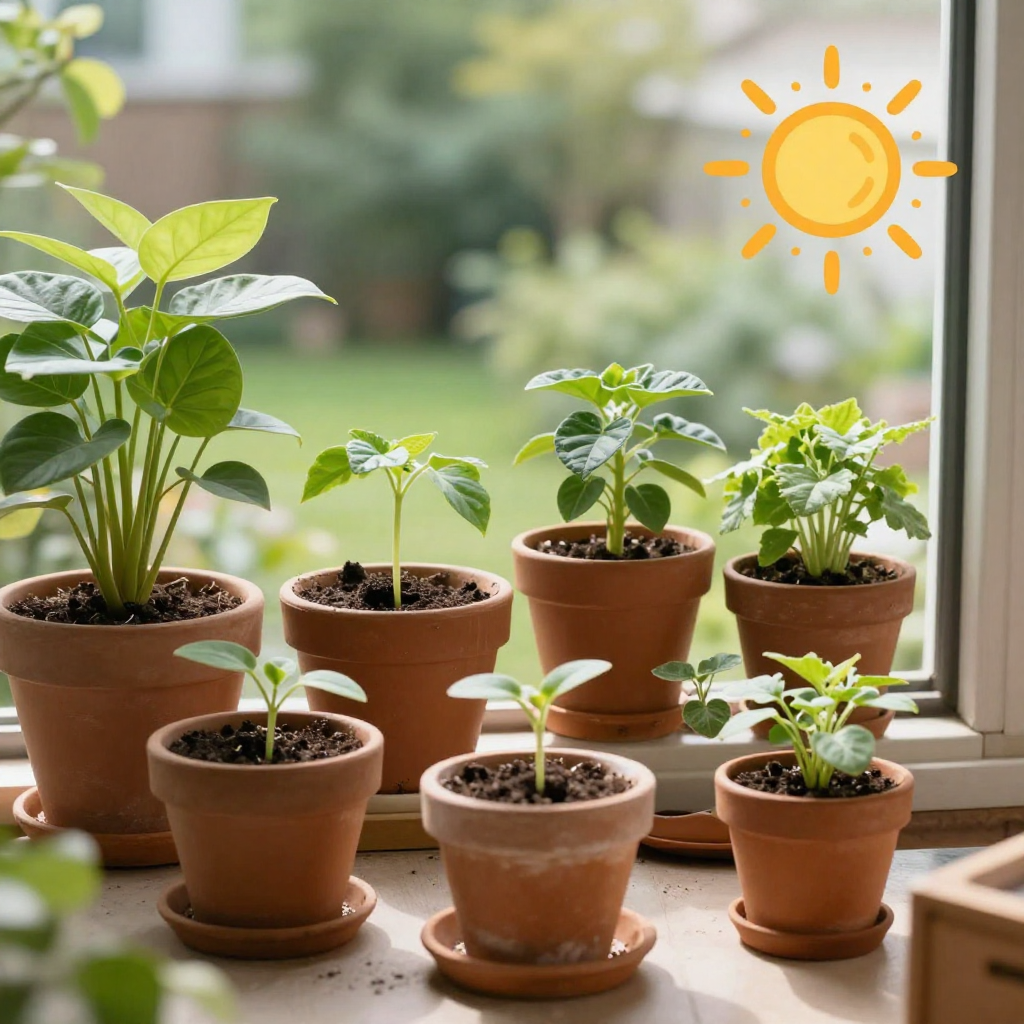
Sunlight is the most critical factor for home gardens. Without enough light, plants struggle to grow, flowers bloom poorly, and vegetables produce less yield. Many gardeners ask, how much sunlight do home gardens need? The answer depends on plant types, garden layout, and location.
Understanding sunlight requirements ensures plants thrive, reduces maintenance, and maximizes productivity. This guide provides practical advice for gardeners of all levels, focusing on sun exposure, plant selection, and layout strategies.
Why Sunlight Matters for Home Gardens
Sunlight is essential for photosynthesis, the process through which plants produce food. Without sufficient light, growth slows, leaves turn yellow, and flowers fail to bloom.
Different plants have varying sunlight needs: some require full sun, while others thrive in shade. Knowing how much sunlight your garden receives daily is crucial for planning and selecting appropriate plants.
Sunlight also influences soil health, water retention, and pest management. Proper sun exposure strengthens plants and reduces disease risk.
Understanding Sunlight Requirements
Full Sun
Full sun means a plant receives 6 to 8 hours of direct sunlight daily.
-
Ideal for vegetables like tomatoes, peppers, and cucumbers.
-
Flowering plants such as sunflowers, marigolds, and petunias flourish in full sun.
-
Benefits: Higher yields, stronger growth, and vibrant blooms.
Partial Sun / Partial Shade
Partial sun or partial shade means 3 to 6 hours of sunlight daily.
-
Suitable for leafy greens like spinach, lettuce, and kale.
-
Many perennials like hostas and astilbes prefer partial sunlight.
-
Benefits: Reduces heat stress, prevents leaf scorch, and supports moderate growth.
Shade / Low Light
Shade or low light means less than 3 hours of direct sunlight, often filtered through trees or structures.
-
Ideal for ferns, begonias, and ivy.
-
Benefits: Perfect for north-facing gardens or areas blocked by walls.
-
Challenges: Lower growth rates and fewer flowering plants.
How to Measure Sunlight in Your Garden
Measuring sunlight accurately helps you plan plant placement.
-
Observe Your Garden: Track sunlight at different times of the day for at least a week. Note shaded areas.
-
Use a Light Meter: A digital light meter provides precise sunlight readings for different garden zones.
-
Sun Mapping: Draw a garden map showing where sun falls during morning, afternoon, and evening. This helps identify full sun, partial sun, and shaded spots.
Understanding sunlight patterns prevents planting mistakes and ensures all plants get the light they need.
Selecting Plants Based on Sunlight
Choosing the right plants for each light condition is critical.
Full Sun Plants
-
Vegetables: Tomatoes, peppers, cucumbers, zucchini.
-
Flowers: Sunflowers, marigolds, zinnias.
-
Herbs: Basil, rosemary, thyme.
Partial Sun Plants
-
Vegetables: Lettuce, spinach, chard.
-
Flowers: Impatiens, begonias, foxglove.
-
Herbs: Mint, parsley, cilantro.
Shade-Loving Plants
-
Vegetables: Kale, certain lettuces.
-
Flowers: Ferns, hostas, hydrangeas.
-
Herbs: Lemon balm, chives.
Matching plants to sunlight zones maximizes health and productivity while minimizing stress.
Seasonal Sunlight Considerations
Sunlight availability changes with seasons.
-
Spring: Longer daylight helps early crops like peas and radishes.
-
Summer: Full sun can cause heat stress, requiring shade cloth or strategic planting.
-
Fall: Reduced sunlight favors leafy greens and cool-season flowers.
-
Winter: Sunlight is limited in some regions; choose cold-tolerant, low-light plants.
Adjust planting schedules and plant selection to match seasonal sunlight changes.
Garden Layout for Optimal Sunlight
Proper layout ensures plants get adequate light.
-
Tall Plants in the Back: Taller vegetables or trees should be placed where they won’t shade smaller plants.
-
South-Facing Orientation: In the northern hemisphere, a south-facing garden receives the most sunlight.
-
Raised Beds: Elevate plants to reduce shading and improve sunlight penetration.
-
Container Placement: Move pots to follow sunlight patterns, especially for sun-loving vegetables.
Efficient layout maximizes light usage, even in small or narrow spaces.
Dealing with Limited Sunlight
Not all gardens have full sun access. Strategies exist for low-light areas:
-
Shade-Tolerant Plants: Use plants specifically suited to low light.
-
Reflective Surfaces: White walls or mirrors can increase light exposure.
-
Pruning Trees: Remove excessive branches to allow more light to reach plants.
-
Grow Lights: For indoor or covered gardens, LED grow lights supplement natural sunlight.
Even limited sunlight can support a productive garden with smart planning.
Effects of Too Much Sunlight
Excessive sunlight can harm plants.
-
Leaf scorch or bleaching in delicate flowers.
-
Rapid water evaporation leading to drought stress.
-
Reduced flowering or fruiting in sensitive species.
Use shade cloths, mulching, and strategic plant placement to protect plants during peak sun hours.
Monitoring Plant Health and Light Needs
Observing plant growth helps determine if sunlight is sufficient.
-
Leggy Plants: Stretching toward light indicates insufficient sunlight.
-
Yellow Leaves: May signal overexposure or underexposure.
-
Slow Growth: Could be due to inadequate light or nutrient deficiencies.
Adjust plant placement and sunlight exposure based on these indicators for optimal growth.
Companion Planting and Sunlight
Sunlight also affects companion planting choices.
-
Tall and Short Plants: Place tall plants north or west to avoid shading shorter plants.
-
Vining Plants: Use trellises to grow upwards, saving ground space and ensuring sunlight reaches all plants.
-
Layered Planting: Mix full sun, partial sun, and shade-tolerant plants in layers to optimize space.
This method maximizes garden productivity and aesthetic appeal.
Indoor Gardens and Sunlight Needs
Indoor gardens face sunlight challenges.
-
South-Facing Windows: Provide the most light for indoor plants.
-
Supplemental Lighting: LED grow lights can provide 12–16 hours of light daily for vegetables.
-
Plant Selection: Herbs, leafy greens, and low-light flowers thrive indoors.
Indoor gardening allows flexibility in sunlight control, especially for small apartments or shaded yards.
Using Mulch and Soil to Optimize Sunlight Effects
Mulch and soil management impact how plants respond to sunlight.
-
Mulch: Reflects some sunlight, keeps roots cool, and conserves water.
-
Soil Color: Dark soil absorbs heat, benefiting plants in cooler climates.
-
Raised Beds and Containers: Improve drainage and prevent overheating in full sun.
Proper soil management complements sunlight to enhance plant health.
Sunlight and Watering Strategies
Sunlight intensity directly affects water needs.
-
Full Sun Plants: Require more frequent watering due to higher evaporation.
-
Partial Shade Plants: Water less frequently, avoiding waterlogging.
-
Morning Watering: Reduces evaporation and supports photosynthesis.
Matching watering schedules to sunlight exposure ensures plants thrive without stress.
Common Mistakes Related to Sunlight
Avoid these sunlight-related errors:
-
Planting Shade-Loving Plants in Full Sun: Leads to leaf burn and poor growth.
-
Ignoring Sun Mapping: Results in uneven light distribution and overcrowded plants.
-
Overcrowding Tall Plants: Shadows lower plants, reducing growth and yield.
-
Seasonal Neglect: Failing to adjust planting or shading in summer and winter.
Awareness of sunlight requirements prevents these common issues.
Benefits of Proper Sunlight Management
Managing sunlight correctly offers multiple benefits:
-
Stronger, healthier plants with vibrant flowers.
-
Higher vegetable and fruit yields.
-
Reduced pest and disease problems.
-
Efficient water and nutrient usage.
Sunlight planning transforms even a small garden into a productive and visually appealing space.
Conclusion
Knowing how much sunlight home gardens need is essential for success. Full sun, partial sun, and shade each support different plant types. By observing sunlight patterns, choosing appropriate plants, and using smart layouts, gardeners can optimize growth, yield, and aesthetics. Even low-light areas can thrive with shade-tolerant plants, reflective surfaces, and supplemental lighting.
Proper sunlight management, combined with watering, soil care, and plant selection, ensures a healthy, beautiful, and productive garden all year round. Understanding sunlight requirements is the foundation of every successful home garden.