
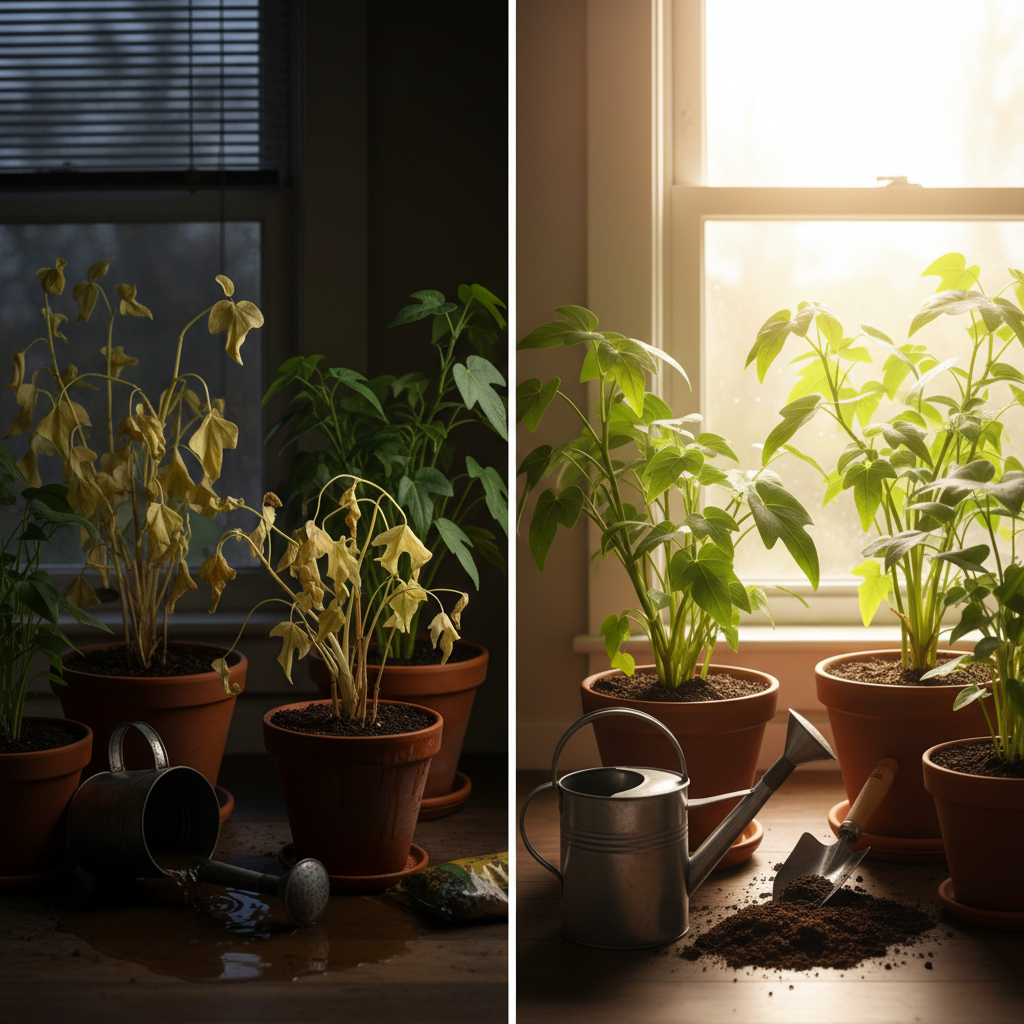
Home gardening is rewarding but can be challenging for beginners. Even experienced gardeners make mistakes that can reduce plant growth, yield, or beauty. Understanding common pitfalls and how to prevent them is essential to creating a successful garden. This guide highlights the most frequent mistakes home gardeners make and provides actionable solutions to avoid them. By following these tips, you can maintain a thriving, low-stress garden.
Why Understanding Gardening Mistakes Matters
Gardening mistakes are inevitable, but learning from them early can save time, money, and effort. Many problems are caused by misunderstanding plant needs, improper watering, poor soil management, or neglect. Identifying common mistakes allows beginners to grow confident and enjoy gardening from the start.
Avoiding these errors improves plant health, increases yields, and makes the gardening experience more rewarding. It also prevents frustration and ensures a garden that flourishes season after season.
Mistake 1: Overwatering or Underwatering
Watering is the most common challenge for new gardeners. Many beginners either overwater, thinking it helps growth, or underwater, assuming plants need less care. Both can harm plant health.
Signs of overwatering:
-
Yellowing leaves
-
Soft, rotting stems
-
Fungal growth
Signs of underwatering:
-
Wilting or drooping leaves
-
Dry soil that pulls away from containers
-
Slow growth
Solution:
-
Check soil moisture before watering
-
Water deeply and less frequently to encourage strong root growth
-
Adjust watering based on season and plant type
Mistake 2: Poor Soil Preparation
Plants rely on healthy soil to thrive. Many new gardeners plant directly into native soil without testing or amending it. Poor soil causes nutrient deficiencies, poor drainage, and weak plant growth.
Solution:
-
Test your soil’s pH and nutrient levels
-
Add compost, organic matter, or fertilizer as needed
-
Ensure soil drains well to prevent root rot
Mistake 3: Choosing the Wrong Plants
Beginners often select plants based on appearance rather than suitability for their climate or garden conditions. This leads to slow growth or plant death.
Solution:
-
Choose plants suited to your local climate
-
Select beginner-friendly, hardy varieties
-
Consider sunlight, space, and water requirements
Mistake 4: Ignoring Sunlight Requirements
Plants need specific sunlight to grow. Overexposing shade-loving plants or underexposing sun-loving plants can stunt growth or kill them.
Solution:
-
Observe your garden’s sun pattern
-
Match plants to their light requirements
-
Rotate containers or garden beds if sunlight exposure changes
Mistake 5: Overcrowding Plants
Planting too close together restricts airflow, increases competition for nutrients, and encourages disease. Overcrowding is common in small spaces or container gardens.
Solution:
-
Follow spacing recommendations for each plant
-
Use vertical growing techniques for small areas
-
Thin seedlings if necessary to improve airflow
Mistake 6: Not Mulching Properly
Mulch helps retain soil moisture, reduce weeds, and regulate soil temperature. Many gardeners skip mulching or apply it incorrectly.
Solution:
-
Apply a 2–4 inch layer of organic mulch around plants
-
Keep mulch away from plant stems to prevent rot
-
Replenish mulch as needed to maintain coverage
Mistake 7: Ignoring Plant Diseases and Pests
Ignoring early signs of pests or disease can quickly destroy a garden. Common beginner errors include using chemical sprays indiscriminately or not inspecting plants regularly.
Solution:
-
Inspect plants daily for pests or disease symptoms
-
Use natural remedies or organic pest control when possible
-
Remove affected leaves or plants to prevent spread
Mistake 8: Fertilizing Incorrectly
Fertilizer is essential, but too much or too little can harm plants. Over-fertilizing causes salt buildup, leaf burn, and weak root systems. Under-fertilizing leads to nutrient deficiencies and poor growth.
Solution:
-
Follow fertilizer instructions carefully
-
Use slow-release or organic fertilizers for steady nutrient supply
-
Adjust based on plant growth and soil tests
Mistake 9: Neglecting Seasonal Maintenance
Plants have seasonal needs, such as pruning, deadheading, and winter protection. Beginners often ignore these tasks, reducing plant health and yields.
Solution:
-
Learn the seasonal requirements for your plants
-
Prune, trim, and harvest as needed
-
Protect plants from extreme temperatures using covers or indoor relocation
Mistake 10: Using the Wrong Containers or Beds
Containers that are too small or poorly drained can stunt growth. Raised beds without proper soil preparation also cause root problems.
Solution:
-
Select appropriately sized containers for plant type
-
Ensure pots have drainage holes
-
Use quality soil mixes in containers or raised beds
Mistake 11: Ignoring Companion Planting Benefits
Many beginners plant vegetables or flowers without considering beneficial plant relationships. Some plants repel pests or enhance growth when planted together.
Solution:
-
Research companion planting for your garden
-
Pair plants that improve each other’s growth
-
Avoid planting species that compete for nutrients or attract pests
Mistake 12: Harvesting Too Early or Late
Harvesting at the wrong time affects flavor, yield, and plant health. Beginners may pick vegetables or herbs too soon or too late, missing peak quality.
Solution:
-
Follow specific harvest guidelines for each plant
-
Observe size, color, and texture cues
-
Regular harvesting encourages continuous growth
Mistake 13: Overcomplicating the Garden
Beginners often try too many plants or complicated designs. This leads to overwhelm, neglect, and stress.
Solution:
-
Start with a small, manageable garden
-
Focus on a few easy-to-grow vegetables, herbs, or flowers
-
Expand gradually as experience grows
Mistake 14: Ignoring Watering Tools and Techniques
Hand-watering or using improper tools can damage plants or waste water. Beginners often water unevenly or excessively.
Solution:
-
Use drip irrigation, soaker hoses, or watering cans with fine nozzles
-
Water at the base of plants to minimize leaf disease
-
Water consistently based on plant needs
Mistake 15: Not Keeping a Garden Journal
Tracking plant growth, weather, and care routines helps prevent repeated mistakes. Many beginners overlook documentation, missing lessons for future seasons.
Solution:
-
Record planting dates, growth progress, and harvest yields
-
Note pest or disease occurrences and remedies
-
Review entries to improve future gardening success
Mistake 16: Planting at the Wrong Time
Seasonal timing is critical for growth. Planting too early or late exposes plants to unsuitable temperatures or daylight hours.
Solution:
-
Check local frost dates and seasonal calendars
-
Plant seeds or seedlings when conditions are optimal
-
Adjust planting schedule for indoor starting if needed
Mistake 17: Overlooking Soil pH
Soil pH affects nutrient absorption. Many beginners assume all soil works for all plants, leading to deficiencies or poor growth.
Solution:
-
Test soil pH before planting
-
Amend soil with lime or sulfur to adjust pH as needed
-
Match plants to compatible soil conditions
Mistake 18: Failing to Rotate Crops
Planting the same crops in the same location every year depletes nutrients and increases pest problems. Beginners often neglect rotation.
Solution:
-
Rotate plant families each season
-
Use companion planting strategies to reduce pest buildup
-
Restore soil nutrients with cover crops or compost
Mistake 19: Ignoring Microclimates
Gardens have microclimates with variations in sunlight, wind, or moisture. Beginners often plant uniformly without considering these differences.
Solution:
-
Observe microclimates in your garden
-
Plant sun-loving plants in bright areas and shade-tolerant plants in sheltered spots
-
Adjust care based on location-specific conditions
Mistake 20: Giving Up Too Soon
Gardening requires patience and observation. Many beginners abandon their gardens at the first sign of failure. Mistakes are opportunities for learning and improvement.
Solution:
-
View challenges as part of the learning process
-
Adjust care based on observations
-
Celebrate small successes to build confidence