
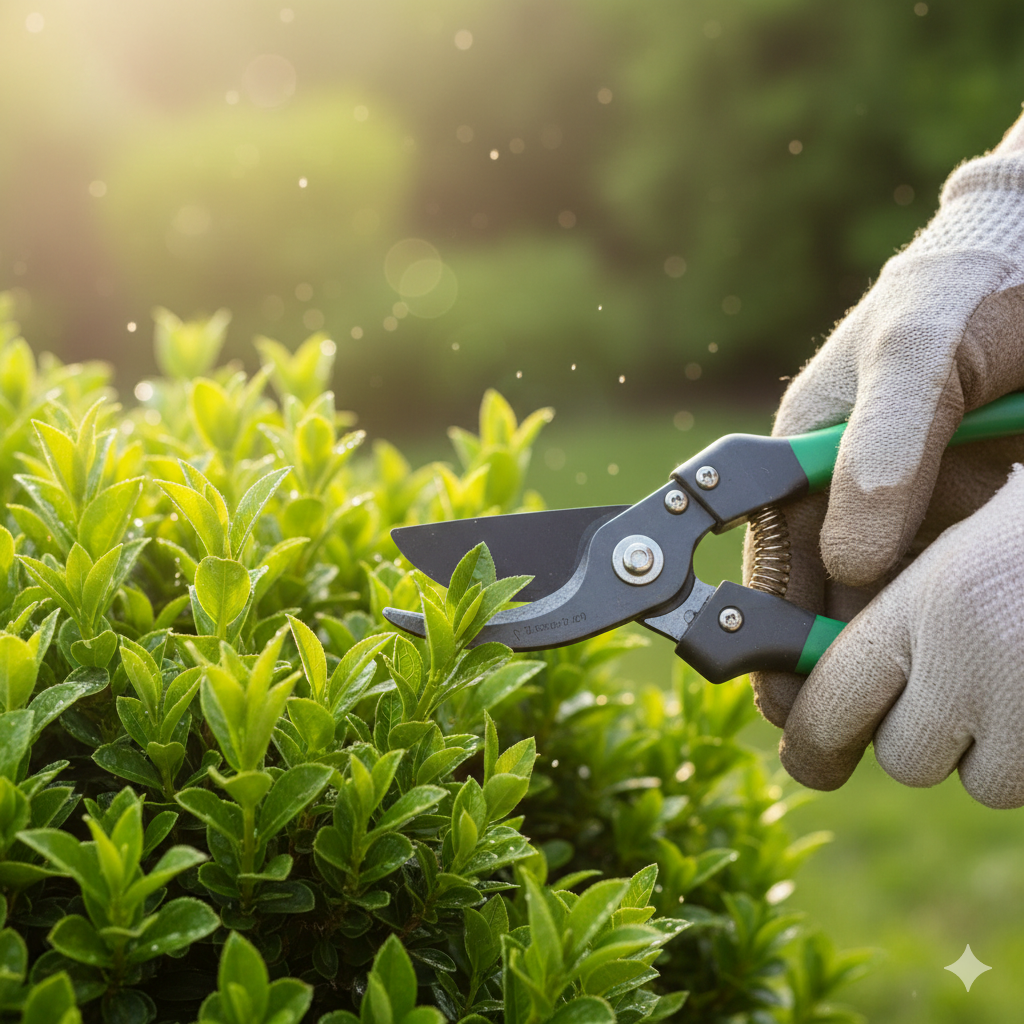
Pruning is not about cutting randomly. It is about controlling growth, improving health, and shaping plants correctly. If you want stronger branches, better flowers, and higher yields, you must understand how to prune plants the right way. This complete guide shows when to prune, where to cut, which tools to use, and how to avoid damaging your plants.
Why Pruning Matters
Pruning improves plant health and performance. It is not optional for many trees and shrubs.
Main Benefits of Proper Pruning
-
Encourages healthy new growth
-
Improves air circulation
-
Reduces disease risk
-
Controls plant size
-
Increases flower and fruit production
-
Removes dead or damaged wood
-
Improves plant structure
What Is Pruning?
Pruning is the selective removal of branches, stems, or roots to improve plant health, structure, and productivity. It is different from trimming. Trimming usually refers to light shaping. Pruning is strategic and targeted.
When Is the Best Time to Prune Plants?
Timing is critical. Pruning at the wrong time can reduce blooms or stress the plant.
Late Winter or Early Spring (Most Common)
Best for deciduous trees, fruit trees, roses, and many shrubs. Plants are dormant, cuts heal faster, and you can see the structure clearly.
After Flowering (Spring-Flowering Shrubs)
Examples: hydrangeas, lilacs, forsythia. These bloom on old wood. If pruned in winter, next season’s flowers are removed.
Summer Pruning
Used for growth control, removing water sprouts, and shaping.
Fall Pruning (Avoid When Possible)
Stimulates new growth that won’t survive winter. Most structural pruning is best during dormancy to reduce stress and disease risk.
Essential Tools for Pruning
Using the right tool prevents plant damage.
Basic Pruning Tools
-
Hand pruners (stems under 1 inch)
-
Loppers (thicker branches)
-
Pruning saw (large limbs)
-
Hedge shears (shaping hedges)
Tool Maintenance
-
Sharpen blades
-
Disinfect tools between plants using rubbing alcohol or diluted bleach
-
Clean tools reduce disease spread
How to Prune Plants the Right Way (Step-by-Step)
Step 1: Remove the 3 D’s – dead, damaged, diseased branches. Cut back to healthy tissue.
Step 2: Cut at the Right Spot – ¼ inch above a bud, 45-degree angle, angle away from bud. Prevents water accumulation and rot.
Step 3: Identify Bud Direction – Cut above outward-facing buds for open shape, inward-facing buds for compact shape.
Step 4: Avoid Cutting Too Close – Preserve the branch collar. Cutting into it delays healing.
Step 5: Don’t Remove Too Much – Never remove more than 25–30% of a plant in one season.
How to Prune Different Types of Plants
Flowering Shrubs That Bloom on Old Wood – lilac, some hydrangeas; prune immediately after flowering.
Shrubs That Bloom on New Wood – butterfly bush, some roses; prune in late winter or early spring.
Fruit Trees
-
Open Center Method: peach, plum; bowl shape improves sunlight penetration.
-
Central Leader Method: apple, pear; maintains one main trunk. Improves fruit size and quality.
Indoor Plants – remove yellow leaves, leggy stems, weak growth; cut just above a node to encourage branching.
Common Pruning Mistakes to Avoid
-
Topping trees: causes weak regrowth and disease risk.
-
Using dull tools: crushes stems instead of cutting cleanly.
-
Pruning at the wrong time: reduces flowering.
-
Over-pruning: stresses plants.
-
Ignoring plant type: different species need different methods.
How to Encourage More Flowers Through Pruning
-
Remove spent flowers (deadheading)
-
Improve airflow
-
Reduce overcrowding
-
Cut back leggy growth
How to Prune Overgrown Plants
Gradual Renewal – remove oldest branches first, spread pruning over 2–3 seasons.
Hard Pruning – cut back to 6–12 inches from ground if plant allows. Check plant type first.
Signs You Pruned Correctly
-
New growth appears in 2–4 weeks
-
Plant looks balanced
-
No dieback occurs around cuts
-
Flowering improves next season
Does Pruning Help Prevent Disease?
Yes. Improves airflow, removes infected branches, reduces fungal conditions like powdery mildew.
Can You Prune Too Early?
Yes. Risks: frost damage, loss of flower buds, stress during active growth. Check local climate.
How Often Should You Prune?
-
Light pruning: yearly
-
Structural pruning: every 2–3 years
-
Maintenance trimming: as needed
Fast-growing plants need more frequent attention.
Pruning Safety Tips
-
Wear gloves and safety glasses
-
Use stable ladder for tall trees
-
Never prune near power lines
-
Call a certified arborist for large trees
Quick Pruning Checklist
Before: identify plant type, confirm season, sharpen tools, sanitize blades
During: remove dead/damaged wood, cut above outward-facing bud, maintain shape, avoid removing >30%
After: clean tools, monitor growth, water if needed
Frequently Asked Questions
What happens if you don’t prune? Plants become overcrowded, airflow decreases, flowering and fruiting decline, disease risk increases.
Morning or evening pruning? Morning is ideal; plants are hydrated and temperatures moderate.
Seal pruning cuts? Usually unnecessary; trees heal naturally.
Can pruning kill a plant? Yes, if done aggressively or at wrong time.
Advanced Pruning Techniques
-
Crown Thinning: removes selected branches for light penetration
-
Crown Raising: removes lower branches for clearance
-
Crown Reduction: reduces height while maintaining structure
How Climate Affects Pruning
-
Cold climates: prune late winter
-
Warm climates: prune earlier
-
Humid areas: focus on airflow
Final Thoughts
Learning how to prune plants the right way improves structure, health, and productivity. Use sharp tools, cut at the correct angle, prune at the right time, and avoid over-cutting. Proper pruning ensures stronger growth, better flowering, and longer plant life.