
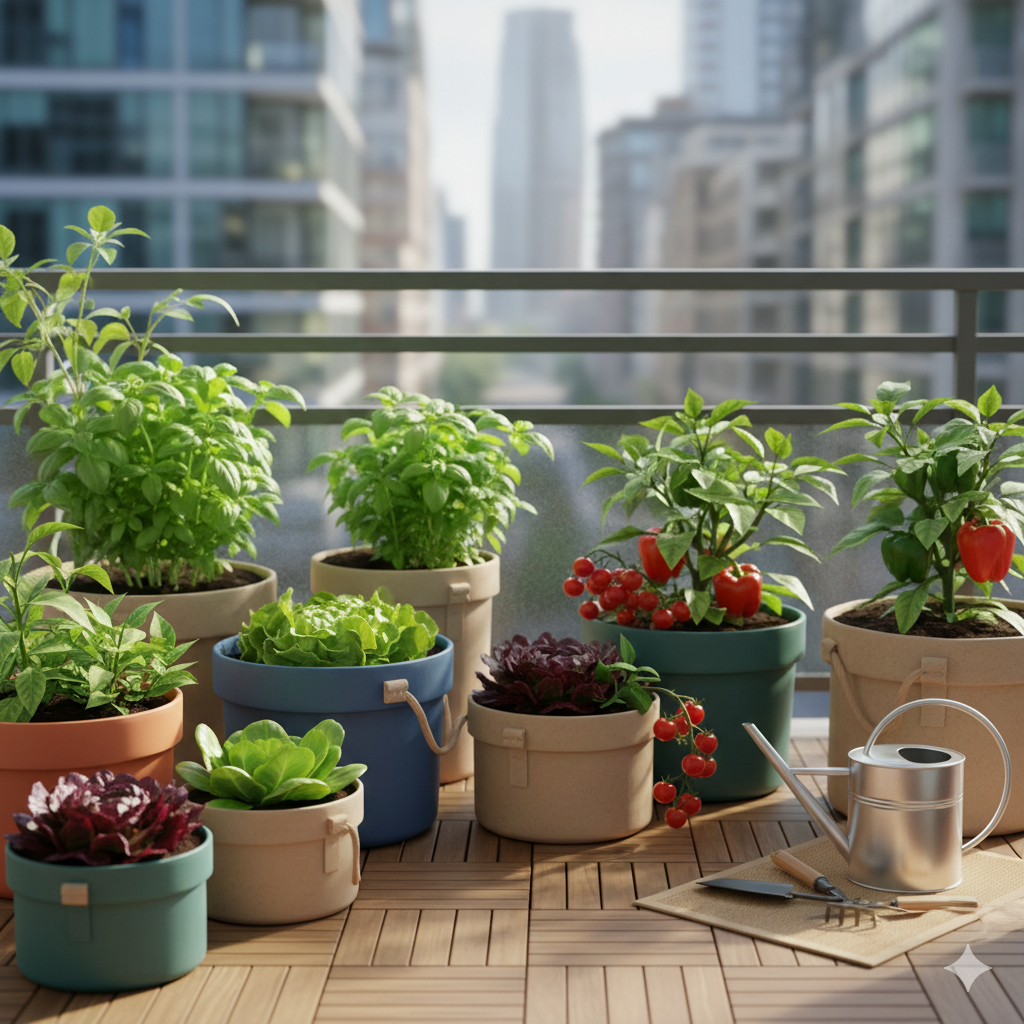
Before we dive into the details, let me tell you exactly what we’ll cover. We will talk about how to start a container garden at home step by step. We’ll cover choosing containers, selecting soil, picking the right plants, watering correctly, fertilizing properly, and avoiding beginner mistakes. Whether you live in an apartment, have a balcony, or only a sunny window, this guide will help you build a productive container garden from scratch.
Why Start a Container Garden at Home?
Container gardening is growing plants in pots instead of planting them in the ground. It is ideal for apartments, balconies, patios, homes with poor soil, and beginners who want more control. According to data from the National Gardening Association, more than 35% of U.S. households grow food at home, and container gardening is one of the fastest-growing methods because it is simple, flexible, and affordable.
What Is Container Gardening?
Container gardening means growing plants in pots, buckets, grow bags, raised planters, or recycled containers. Instead of relying on ground soil, you control soil quality, drainage, nutrients, and sun exposure. That level of control helps beginners succeed faster than with traditional gardening.
How to Start a Container Garden at Home (Step-by-Step)
If you want a direct answer, here it is:
-
Choose the right location
-
Pick suitable containers
-
Use high-quality potting mix
-
Select the right plants
-
Water correctly
-
Fertilize regularly
-
Monitor sunlight and drainage
Now let’s break each step down clearly.
Step 1: Choose the Right Location
Plants need sunlight. Most vegetables and herbs require 6–8 hours of direct sunlight daily. Leafy greens can tolerate 4–6 hours. Observe your space for two days and note where the morning and afternoon sun hits. Balconies facing south or west usually get the best light. If sunlight is limited, choose shade-tolerant herbs like mint or parsley.
Step 2: Choose the Best Containers


The container matters more than most beginners realize. Look for drainage holes, proper size, and durable material. Herbs need 6–8 inches depth, lettuce needs 6–8 inches, tomatoes need 12–18 inches, and peppers need 10–12 inches. If roots cannot expand, plants struggle. Plastic pots are lightweight and affordable, fabric grow bags offer excellent drainage, ceramic is stylish but heavy, and wooden planters work well on balconies. Never use containers without drainage because root rot develops quickly.
Step 3: Use the Right Soil (Not Garden Soil)
Never use backyard soil in pots. It compacts, blocks drainage, and suffocates roots. Instead, use high-quality potting mix designed for containers. Good mixes contain peat or coco coir, perlite or vermiculite, and compost. This combination ensures drainage, oxygen flow, and nutrient retention.
Step 4: Choose the Best Plants for Containers


Not all plants thrive in containers, so selection is important. Great vegetables for container gardening include cherry tomatoes, lettuce, spinach, peppers, radishes, and green onions. Excellent herbs include basil, mint, parsley, thyme, and rosemary. Start with 3–5 containers to keep management simple.
Step 5: Watering Correctly
Overwatering kills more plants than underwatering. Water frequency depends on weather, container size, and plant type. In summer, you may need daily watering. In cooler weather, every 2–3 days may be enough. Check soil by inserting your finger 1–2 inches deep. If dry, water deeply until water drains from the bottom. If moist, wait.
Step 6: Fertilizing for Growth
Container plants rely entirely on you for nutrients. After 3–4 weeks, nutrients in potting mix decrease. Use liquid fertilizer every two weeks or slow-release granules every 4–6 weeks. Organic options include compost tea, fish emulsion, and seaweed extract. Always follow label instructions to avoid root burn.
Step 7: Understand Sunlight Requirements
Full sun plants like tomatoes, peppers, and basil need 6–8 hours daily. Partial sun plants like lettuce, spinach, and parsley need 4–6 hours. Rotate containers weekly to ensure even growth.
How to Start a Container Garden on a Balcony
Balcony gardening is ideal for urban homes. Consider weight limits, wind exposure, and water drainage. Use lightweight containers and secure tall plants against wind. Place saucers under pots to prevent water dripping. Vertical gardening maximizes limited space.
Budget-Friendly Container Gardening Tips
You do not need expensive supplies. You can use buckets with drilled holes, storage bins, old crates, or recycled bottles. DIY containers significantly reduce startup costs.
Common Container Gardening Mistakes
Avoid these common errors: no drainage holes, using garden soil, overcrowding plants, ignoring sunlight needs, and over-fertilizing. Proper setup prevents most beginner failures.
Seasonal Planting Guide
In spring, grow lettuce, spinach, and radishes. In summer, grow tomatoes, peppers, and cucumbers. In fall, grow kale, arugula, and cilantro. Container gardening allows extended growing seasons in mild climates.
Indoor Container Gardening
If you lack outdoor space, use south-facing windows or grow lights. Choose compact plant varieties. Herbs perform best indoors and should be placed close to light sources.
How Much Does It Cost to Start?
Basic setup costs include pots ($20–40), soil ($15–25), seeds or seedlings ($10–20), and fertilizer ($10). Total startup cost typically ranges from $60–100. After initial setup, ongoing costs are minimal.
How Long Before You See Results?
Herbs can be harvested in 3–4 weeks. Lettuce matures in 30–40 days. Radishes take 25–30 days. Tomatoes require 60–90 days. Consistency in watering and sunlight determines success.
Is Container Gardening Worth It?
Yes. Benefits include fresh food, stress reduction, better air quality, sustainable living, and lower grocery bills. Studies in environmental health research link home gardening to improved mental well-being.
Final Thoughts on How to Start a Container Garden at Home
If you were wondering how to start a container garden at home, now you have a clear roadmap. Start small, choose quality soil, ensure proper drainage, water consistently, and provide adequate sunlight. Container gardening becomes simple when fundamentals are followed. Once you harvest your first homegrown herb or tomato, you will understand why so many people choose to start a container garden at home every year.