
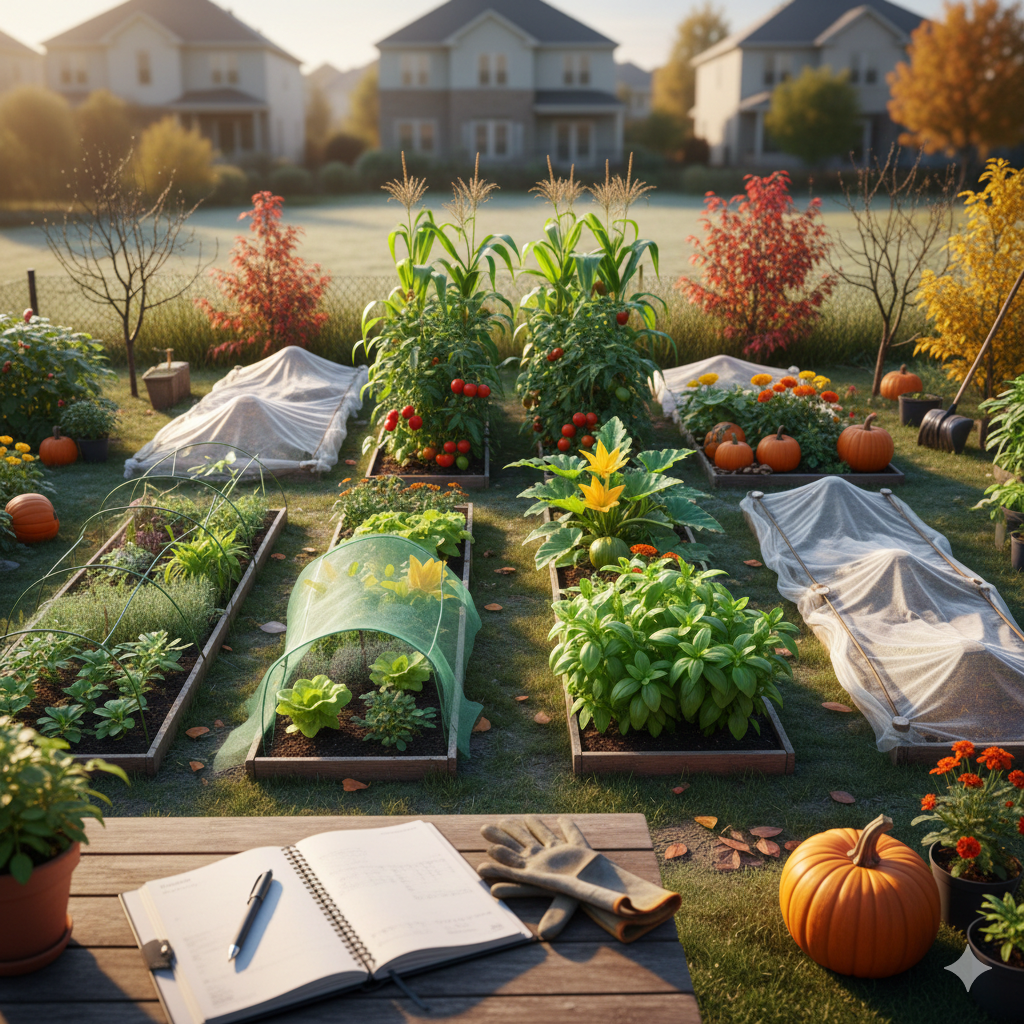
Seasonal Gardening Calendar for Home Growers
Before we go into the details, let me remind you what we will cover in this guide. We will break down the entire year season by season. We will answer what to plant, when to plant it, and what maintenance tasks matter most. We will also cover frost dates, climate zones, and how to adjust your schedule wherever you live.
If you are searching for a complete Seasonal Gardening Calendar for Home Growers, this guide gives you a practical roadmap you can follow month after month.
Gardening is not random. Timing determines success more than anything else. Plant at the wrong time and even the best soil will not save your crop. Plant at the right time and yields improve dramatically.
What Is a Seasonal Gardening Calendar?
A seasonal gardening calendar is a structured schedule that guides planting, maintenance, harvesting, and soil care throughout the year.
It helps you:
-
Know what to plant in each season
-
Prepare soil at the right time
-
Avoid frost damage
-
Plan crop rotation
-
Maximize harvests
According to the USDA, understanding your plant hardiness zone is critical for seasonal planting decisions.
Why Every Home Grower Needs a Gardening Calendar
Without a calendar, gardeners often:
-
Plant too early
-
Miss ideal sowing windows
-
Forget fertilizing cycles
-
Harvest too late
-
Overlook soil preparation
A structured seasonal plan improves:
-
Crop yields
-
Soil health
-
Pest management
-
Year-round productivity
The National Gardening Association notes that gardeners who plan seasonally see higher long-term success rates.
Step 1: Know Your Climate Zone
Before building your seasonal gardening calendar, determine your USDA zone.
Zones are based on average minimum winter temperatures. They affect planting dates.
General guideline:
-
Zones 3–5: Short growing season
-
Zones 6–7: Moderate
-
Zones 8–10: Long growing season
-
Zone 11+: Tropical
Find your zone using the official USDA Plant Hardiness Map.
Spring Gardening Calendar (March – May)
Spring is the season of preparation and planting. Soil wakes up and growth accelerates.
Early Spring Tasks (Before Last Frost)
-
Test soil pH
-
Add compost
-
Prune dormant shrubs
-
Start seeds indoors
-
Repair garden beds
According to the University of Minnesota Extension, soil testing before planting improves nutrient management.
Crops to start indoors:
-
Tomatoes
-
Peppers
-
Eggplant
-
Broccoli
-
Cabbage
Start seeds 6–8 weeks before last frost.
Mid-Spring Tasks (Around Last Frost)
-
Direct sow cool-season crops
-
Transplant hardened seedlings
-
Install irrigation systems
-
Apply mulch
Cool-season vegetables to plant:
-
Lettuce
-
Spinach
-
Carrots
-
Radishes
-
Peas
These crops tolerate light frost.
Late Spring Tasks (After Frost Ends)
-
Plant warm-season vegetables
-
Fertilize established plants
-
Stake tomatoes
-
Begin pest monitoring
Warm-season crops:
-
Tomatoes
-
Cucumbers
-
Beans
-
Zucchini
-
Corn
Soil temperature should be above 60°F for warm crops.
Summer Gardening Calendar (June – August)
Summer is about maintenance, watering, harvesting, and pest control.
Early Summer Tasks
-
Deep watering schedule
-
Monitor for aphids and caterpillars
-
Side-dress heavy feeders
-
Harvest early crops
Consistent watering is essential, especially in raised beds.
Mid-Summer Tasks
-
Continue harvesting
-
Replant quick crops
-
Shade heat-sensitive plants
-
Monitor fungal diseases
Crops to plant for fall harvest:
-
Bush beans
-
Beets
-
Turnips
-
Swiss chard
Short-season varieties work best.
Late Summer Tasks
-
Start fall crops indoors
-
Remove spent plants
-
Add compost to empty beds
-
Plan crop rotation
Do not leave soil bare. Plant cover crops if beds are empty.
Fall Gardening Calendar (September – November)
Fall is preparation season.
Early Fall Tasks
-
Harvest late summer crops
-
Plant fall vegetables
-
Reduce watering frequency
-
Begin cleanup
Best fall crops:
-
Kale
-
Spinach
-
Arugula
-
Garlic
-
Onions
Garlic is planted before winter and harvested next summer.
Mid-Fall Tasks
-
Apply mulch
-
Protect sensitive plants
-
Clean tools
-
Save seeds
The Penn State Extension recommends cleaning tools to reduce disease carryover.
Late Fall Tasks
-
Remove diseased plants
-
Add compost layer
-
Cover beds
-
Install frost covers
Mulching stabilizes soil temperature.
Winter Gardening Calendar (December – February)
Winter is planning season.
Winter tasks:
-
Review previous season results
-
Order seeds
-
Clean storage areas
-
Maintain tools
-
Start slow-growing crops indoors in late winter
In warmer climates (Zones 8–10), winter crops may include:
-
Lettuce
-
Spinach
-
Broccoli
-
Cauliflower
Cold frames extend winter production.
Monthly Gardening Calendar Overview
January
-
Plan garden layout
-
Order seeds
February
-
Start indoor seedlings
-
Prepare tools
March
-
Test soil
-
Plant cool crops
April
-
Transplant seedlings
-
Install supports
May
-
Plant warm crops
June
-
Fertilize and water consistently
July
-
Harvest heavily
-
Start fall crops
August
-
Prepare fall beds
September
-
Plant garlic
-
Continue harvesting
October
-
Clean beds
-
Apply mulch
November
-
Protect soil
December
-
Review and plan
How to Adjust the Calendar for Your Region
Not every gardener follows the same schedule.
Cold climates (Zones 3–5):
-
Shorter season
-
Focus on fast-growing varieties
Moderate climates (Zones 6–7):
-
Balanced seasonal planning
Warm climates (Zones 8–10):
-
Fall and winter are peak seasons
-
Summer may require shade strategies
Tropical climates:
-
Planting depends on wet and dry seasons
When Should You Start Seeds Indoors?
Start seeds indoors:
-
6–8 weeks before last frost for tomatoes and peppers
-
4–6 weeks before last frost for cabbage and broccoli
Check seed packets for specific timing.
When Is the Best Time to Fertilize?
Fertilize:
-
Early spring before heavy growth
-
Mid-season for heavy feeders
-
After harvesting fast crops
Avoid over-fertilizing late in the season.
How to Use Crop Rotation in Your Calendar
Crop rotation prevents disease buildup.
Basic rotation pattern:
Year 1: Leafy crops
Year 2: Fruit crops
Year 3: Root crops
Year 4: Legumes
Repeat cycle.
This improves soil structure and reduces pest pressure.
How to Plan Succession Planting
Succession planting means planting crops every 2–3 weeks.
Best for:
-
Lettuce
-
Radishes
-
Spinach
-
Beans
This ensures continuous harvest.
Seasonal Gardening Mistakes to Avoid
-
Ignoring frost dates
-
Planting warm crops too early
-
Forgetting fall planting
-
Skipping soil testing
-
Overcrowding plants
Timing errors cause most failures.
Tools That Help You Stay Organized
-
Garden planner apps
-
Printed monthly charts
-
Seed-starting calendars
-
Frost date trackers
Keep a gardening journal and track planting dates and yields.
Final Thoughts: Build Your Seasonal Gardening Calendar Today
A productive garden does not happen by accident. It happens through timing, preparation, and seasonal awareness.
This Seasonal Gardening Calendar for Home Growers provides a structure you can follow year-round. From early spring soil preparation to winter planning, every season has a role.
Start with your climate zone. Mark your frost dates. Plan crops by season. Track results and adjust next year.
When you follow a clear seasonal schedule, gardening becomes predictable, productive, and far more rewarding.