
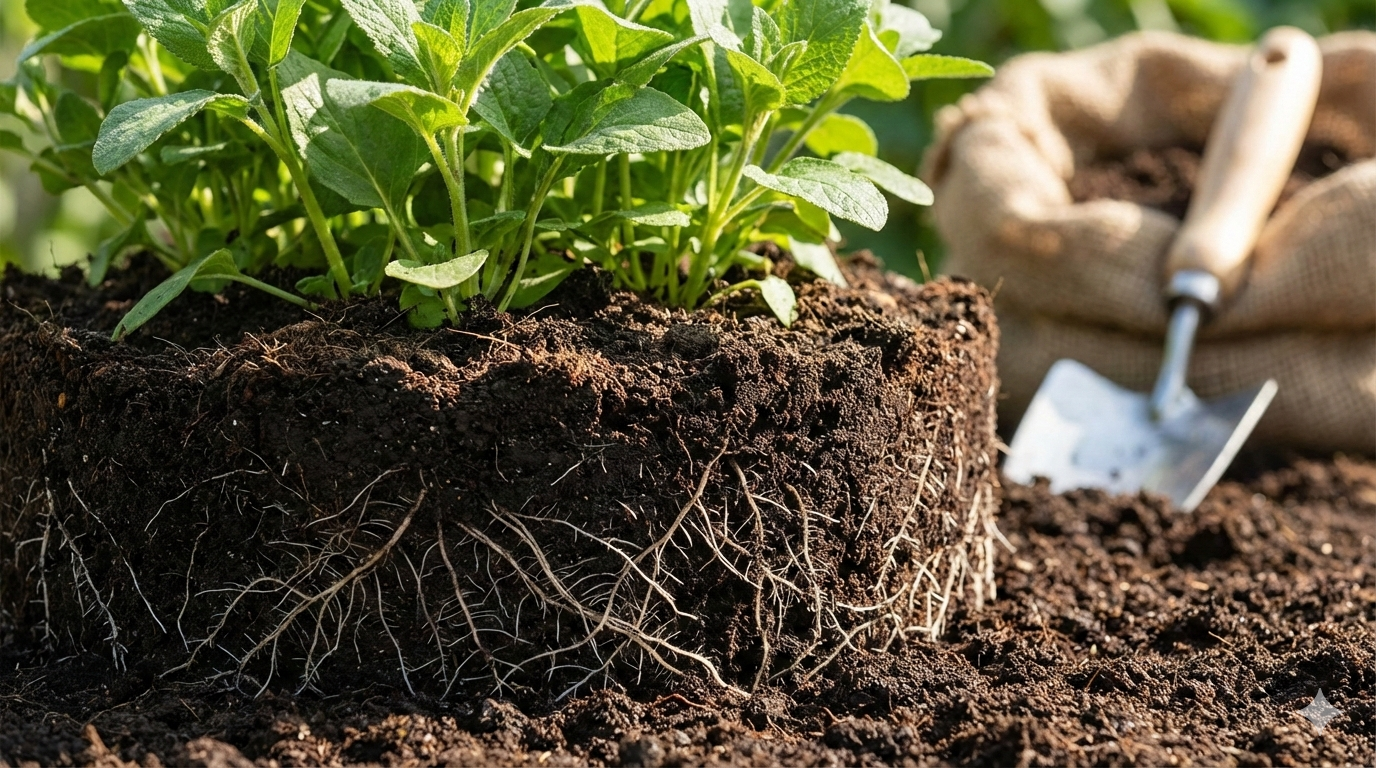
Healthy roots are the foundation of every thriving plant. Strong roots absorb water efficiently, capture nutrients from the soil, and anchor plants against wind and environmental stress. If the root system is weak, even the healthiest leaves and stems will struggle to survive.
This guide explains how to strengthen plant roots naturally using soil management, organic nutrients, watering techniques, and simple gardening practices that deliver long-term results.
Why Strong Roots Matter
Roots perform several essential functions:
-
Absorb water and nutrients
-
Store energy for plant growth
-
Stabilize the plant in the soil
-
Support resistance to disease and drought
-
Improve flowering and fruit production
Plants with strong roots grow faster, survive stress better, and require less maintenance.
Signs Your Plant Roots Are Weak
Before strengthening roots, identify whether your plant needs improvement. Common signs include:
-
Slow growth despite proper sunlight
-
Yellowing leaves without visible disease
-
Frequent wilting even after watering
-
Small or poor fruit production
-
Plants falling over easily
-
Roots appearing thin, brown, or mushy
Once identified early, root problems can be corrected naturally.
Improve Soil Structure for Root Growth
Healthy roots require loose, well-aerated soil. Compact soil prevents oxygen circulation and restricts root expansion.
How to naturally improve soil structure
-
Add compost to increase organic matter
-
Mix coco peat or leaf mold to improve aeration
-
Use mulch layers to maintain soil softness
-
Avoid stepping on garden beds to prevent compaction
-
Loosen soil gently around plants every few weeks
Soil rich in organic matter allows roots to grow deeper and stronger.
Use Compost to Feed the Root Zone
Compost is one of the most effective natural root-strengthening solutions. It provides:
-
Balanced nutrients
-
Beneficial microorganisms
-
Moisture retention improvement
-
Better soil texture
Application method
-
Spread a 2–3 cm layer around the base of plants
-
Lightly mix into the topsoil
-
Water after application
Regular compost feeding strengthens root systems over time.
Water Deeply Instead of Frequently
One of the biggest mistakes gardeners make is shallow watering. When water only reaches the surface, roots remain shallow and weak.
Correct watering method
-
Water slowly and deeply so moisture reaches deeper soil layers
-
Water less often but more thoroughly
-
Allow the top layer to dry slightly between watering
-
Water early morning for best absorption
Deep watering encourages roots to grow downward, making plants stronger and more drought-resistant.
Apply Natural Root-Boosting Fertilizers
Several natural fertilizers stimulate root development without harming soil health.
Best natural fertilizers for root growth
1. Bone Meal
Rich in phosphorus, essential for root formation.
2. Banana Peel Fertilizer
Provides potassium that strengthens root tissues.
3. Compost Tea
Supplies beneficial microbes that enhance nutrient absorption.
4. Wood Ash (small amounts)
Adds potassium and improves root resilience.
Apply organic fertilizers every 3–4 weeks for steady improvement.
Use Mycorrhizal Fungi for Natural Root Expansion
Mycorrhizae are beneficial fungi that form partnerships with plant roots. They extend root networks, helping plants absorb nutrients more efficiently.
Benefits
-
Increased nutrient absorption
-
Better drought resistance
-
Faster plant establishment
-
Stronger root mass
Many organic garden products contain mycorrhizal inoculants, or they can naturally develop in compost-rich soils.
Mulching Protects and Strengthens Roots
Mulch plays a major role in root health.
Benefits of mulching
-
Maintains soil moisture
-
Regulates soil temperature
-
Prevents root exposure
-
Reduces weed competition
-
Improves organic matter over time
Use organic mulch such as:
-
Dry leaves
-
Straw
-
Grass clippings
-
Bark chips
Apply a 5–7 cm layer around plants while keeping a small gap around the stem.
Avoid Overwatering and Root Rot
While roots need moisture, excessive watering suffocates them and leads to rot.
Prevention tips
-
Ensure proper drainage holes in containers
-
Avoid watering when soil is already wet
-
Use well-draining soil mixes
-
Remove standing water from trays
Balanced moisture levels encourage healthy root respiration and growth.
Encourage Root Growth with Proper Transplanting
When transplanting seedlings, root handling affects future strength.
Correct transplanting techniques
-
Avoid breaking root balls
-
Plant at the correct depth
-
Water immediately after transplanting
-
Shade new plants for a few days
-
Add compost around the root zone
Gentle handling helps plants recover quickly and build stronger roots.
Natural Root Strengthening Homemade Solutions
Several simple homemade treatments help roots grow naturally.
1. Rice Water
Contains mild nutrients and beneficial starches.
How to use:
Dilute rice water with equal water and apply every two weeks.
2. Aloe Vera Solution
Stimulates root development.
How to use:
Blend aloe gel with water and apply near roots.
3. Seaweed Extract (Natural)
Provides trace minerals that promote root branching.
Apply monthly for best results.
Improve Root Health with Crop Rotation
Growing the same plant repeatedly in the same soil depletes nutrients essential for roots.
Crop rotation benefits
-
Restores soil balance
-
Reduces root diseases
-
Improves nutrient diversity
-
Enhances microbial activity
Rotating plant families each season maintains long-term root health.
Ensure Proper Sunlight Exposure
Roots depend on the energy created by leaves through photosynthesis. Insufficient sunlight reduces the plant’s ability to feed the root system.
Sunlight recommendations
-
Vegetables: 6–8 hours daily
-
Flowering plants: full sun preferred
-
Indoor plants: bright indirect light
Healthy leaves supply energy that supports strong root growth.
Reduce Chemical Fertilizers
Excessive synthetic fertilizers may cause fast top growth but weak roots. Natural feeding methods create balanced development.
Instead of heavy chemical feeding:
-
Use compost regularly
-
Apply organic fertilizers
-
Improve soil biology
-
Encourage beneficial microbes
Balanced nutrition strengthens both roots and foliage.
How to Strengthen Plant Roots Naturally (Step-by-Step)
Step 1: Improve soil with compost and organic matter
Step 2: Water deeply but less frequently
Step 3: Apply phosphorus-rich natural fertilizers
Step 4: Add mulch to protect soil moisture
Step 5: Encourage beneficial microbes
Step 6: Ensure proper sunlight exposure
Step 7: Avoid overwatering and compaction
Step 8: Maintain seasonal soil care
Following these steps consistently results in visible improvement within weeks.
Common Mistakes That Weaken Roots
Avoid these common gardening errors:
-
Daily shallow watering
-
Using compacted garden soil
-
Excess nitrogen fertilizers
-
Planting too close together
-
Poor drainage conditions
-
Ignoring soil organic matter
Correcting these mistakes significantly improves root health.
Seasonal Root Care Tips
Spring
-
Add compost before planting
-
Apply root-boosting fertilizers
Summer
-
Maintain deep watering schedules
-
Add mulch to reduce evaporation
Autumn
-
Improve soil structure with organic material
-
Prepare beds for next season
Winter
-
Protect roots using thick mulch layers
-
Reduce watering frequency
Seasonal care ensures year-round root strength.
Frequently Asked Questions
How long does it take to strengthen plant roots naturally?
Most plants show improved growth within 3–6 weeks when soil, watering, and nutrients are optimized.
Which nutrient is most important for root growth?
Phosphorus is essential for root development, supported by potassium and beneficial microbes.
Can overwatering damage roots permanently?
Yes. Continuous overwatering causes root rot, which may permanently damage the plant if not corrected early.
Conclusion
Understanding how to strengthen plant roots naturally is one of the most valuable gardening skills. When soil quality, watering habits, and organic nutrients work together, roots grow deeper, healthier, and more resilient. Strong roots lead to faster growth, greener foliage, higher yields, and plants that withstand stress more effectively.
By improving soil structure, feeding plants naturally, watering correctly, and protecting the root zone with mulch, gardeners can create long-lasting plant health without relying on synthetic chemicals. Consistent root care is the secret behind thriving gardens in every season.