
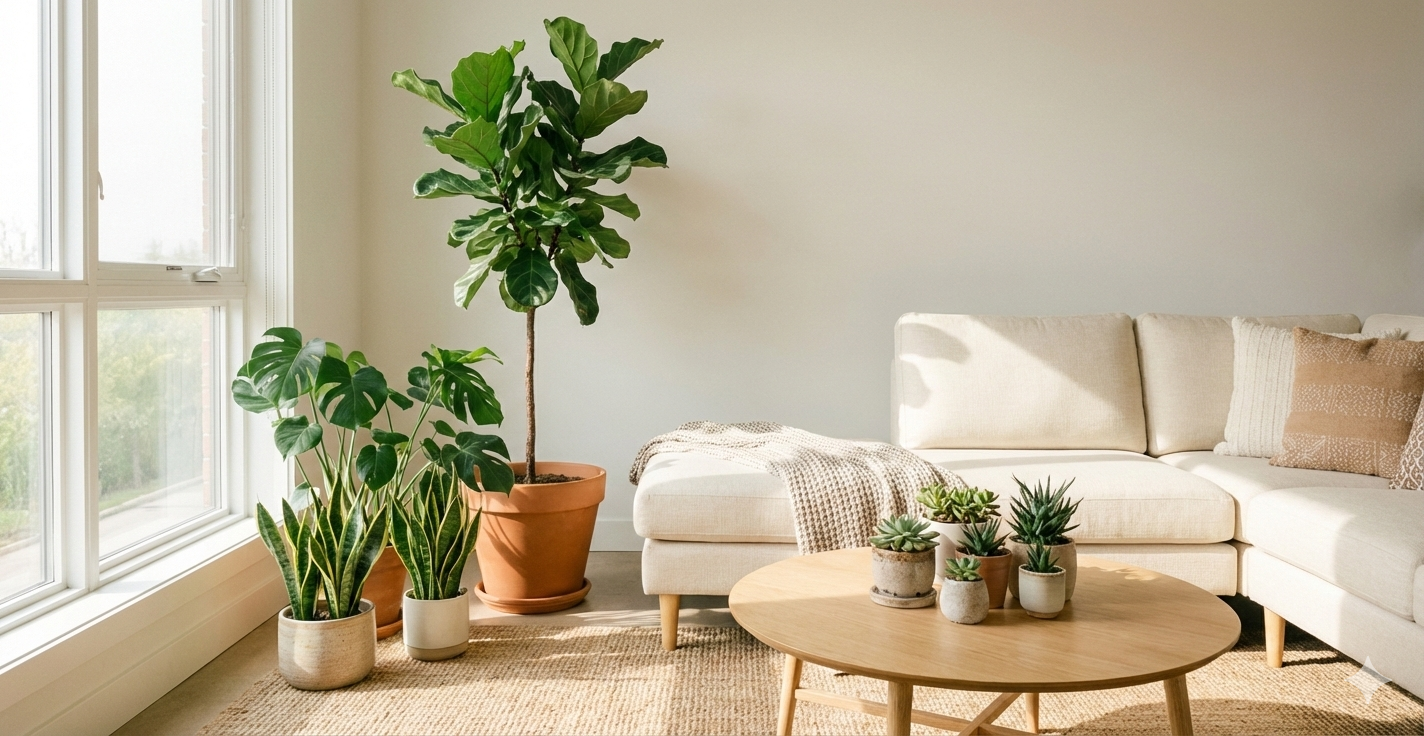
How to Combine Multiple Indoor Plants for a Stylish Look
Indoor plants do more than decorate a space. When arranged correctly, they transform ordinary rooms into vibrant living environments that feel fresh, elegant, and intentional. Many people own several plants but struggle to arrange them in a visually pleasing way. The secret is not buying more plants; it is learning how to combine multiple indoor plants for a stylish look using structure, layering, and design balance.
This guide explains practical methods used by interior designers to create cohesive plant displays in living rooms, bedrooms, offices, and apartments.
Why Combining Indoor Plants Creates Better Interior Design
A single plant can enhance a corner, but multiple plants create depth, texture, and visual rhythm. Proper combinations:
-
Add dimension to flat spaces
-
Highlight natural light areas
-
Create focal points in rooms
-
Improve mood and visual comfort
-
Make small apartments feel alive and modern
Strategic grouping also allows you to maximize limited space while maintaining organization.
Key Design Principles for Stylish Plant Arrangements
Before placing plants randomly, understand the basic design principles professionals use.
1. Use Height Variation
Different plant heights create layered depth.
Combine:
-
Tall plants (fiddle leaf fig, palm)
-
Medium plants (rubber plant, dracaena)
-
Small plants (succulents, pothos)
Height variation prevents displays from looking flat or crowded.
2. Mix Leaf Shapes and Textures
Contrast makes arrangements visually interesting.
Examples:
-
Broad leaves + thin leaves
-
Glossy leaves + matte leaves
-
Upright plants + trailing plants
Texture diversity creates a balanced and natural appearance.
3. Maintain Color Harmony
Green plants already share color similarity, but leaf tones vary from dark green to variegated patterns.
Combine:
-
Dark foliage for depth
-
Light or variegated plants for brightness
-
Neutral pots to maintain consistency
Avoid mixing too many strong pot colors unless creating a decorative theme.
4. Follow the “Odd Number Rule”
Interior designers often group items in odd numbers (3, 5, or 7).
Odd-number plant clusters appear more natural and visually dynamic than even-number arrangements.
Step-by-Step: How to Combine Multiple Indoor Plants for a Stylish Look
Step 1: Choose a Focal Plant
Start with one dominant plant.
Good focal choices:
-
Monstera deliciosa
-
Fiddle leaf fig
-
Bird of paradise
Place it slightly off-center to avoid symmetry that feels rigid.
Step 2: Add Supporting Plants
Place medium-sized plants near the focal plant to support the visual structure.
Ensure:
-
Heights differ slightly
-
Leaf shapes contrast
-
Spacing allows airflow and light
Step 3: Add Trailing or Small Plants
Complete the arrangement using:
-
Hanging pothos
-
String of pearls
-
Small succulents
These soften the display and create movement.
Step 4: Adjust Spacing
Plants should not touch heavily unless intentionally layered. Leave small gaps to create a clean composition.
Best Indoor Plant Combinations That Always Look Stylish
Modern Minimalist Combination
-
Snake plant (tall)
-
ZZ plant (medium)
-
White ceramic pots
This combination suits Scandinavian and minimalist interiors.
Tropical Living Room Combination
-
Monstera
-
Palm plant
-
Trailing philodendron
Place near a bright window for a lush tropical effect.
Small Apartment Corner Combination
-
Ladder plant stand with 3–5 plants
-
Succulents on top
-
Medium leafy plant in the center
-
Trailing plant at the bottom
Vertical layering saves space and adds visual height.
How to Combine Indoor Plants Using Shelves and Stands
Plant stands and shelves help organize multiple plants while maintaining style.
Tiered Plant Stands
-
Ideal for apartments
-
Display multiple heights easily
-
Keep floor areas open
Wall Shelves
-
Perfect for trailing plants
-
Add greenery without consuming floor space
-
Create gallery-style plant walls
Corner Stands
-
Transform unused corners
-
Allow grouping without clutter
Using stands ensures structured placement instead of scattered pots.
Matching Pots and Containers for a Cohesive Look
Container design strongly affects how plant combinations appear.
Uniform Pot Style
Use the same pot material:
-
Ceramic
-
Terracotta
-
Matte plastic
Consistency creates a clean aesthetic.
Coordinated Color Palette
Choose colors that match the room:
-
White and beige for modern interiors
-
Earth tones for warm decor
-
Black pots for luxury minimalism
Mixed Pots with Controlled Variation
If mixing pots, keep:
-
Similar shapes
-
Matching neutral color tones
This prevents visual chaos.
Best Places in the Home to Combine Indoor Plants
Living Room
-
Use tall plants near sofas
-
Add medium plants beside TV stands
-
Place small plants on coffee tables
Bedroom
-
Keep 2–4 calming plants near windows
-
Use minimal arrangements for relaxation
Entryway
-
Combine one tall plant with two smaller ones
-
Creates a welcoming first impression
Home Office
-
Use desk plants plus floor plants behind the workspace
-
Improves productivity and visual comfort
Lighting Considerations When Grouping Plants
Combining plants requires understanding light needs.
Group Plants With Similar Light Requirements
Avoid mixing:
-
High-light tropical plants
-
Low-light shade plants
This prevents uneven growth and maintenance issues.
Rotate Plants Regularly
Rotate groups every few weeks so all plants receive balanced sunlight.
Common Mistakes When Combining Indoor Plants
Overcrowding
Too many plants in a small area reduces visual clarity. Leave breathing space.
Ignoring Height Balance
Placing plants of equal height makes displays look flat.
Mixing Too Many Pot Styles
Different pot shapes and colors without coordination create clutter.
Blocking Natural Light
Tall plants should not block light reaching smaller plants.
Stylish Plant Grouping Ideas for Different Interior Styles
Minimalist Interiors
-
3 plants maximum per group
-
Neutral pots
-
Clean spacing
Boho Interiors
-
Mix woven baskets and ceramic pots
-
Use trailing plants heavily
-
Combine many textures
Luxury Interiors
-
Large statement plants
-
Dark pots or metallic finishes
-
Symmetrical arrangements in large rooms
Small Apartment Interiors
-
Vertical stands
-
Wall shelves
-
Compact clusters
How Many Plants Should You Combine in One Area?
There is no fixed number, but a simple rule helps:
-
Small table: 1–3 plants
-
Corner area: 3–5 plants
-
Large living room zone: 5–9 plants
-
Shelf display: depends on shelf width, usually 3–7 plants
Always prioritize spacing over quantity.
Seasonal Styling Tips for Indoor Plant Displays
Spring and Summer
-
Increase grouping density
-
Add flowering plants
-
Use brighter pots if desired
Autumn and Winter
-
Reduce clutter
-
Highlight evergreen plants
-
Focus on warm-toned containers
Seasonal adjustments keep interiors visually fresh.
Quick Styling Checklist
Before finalizing your plant arrangement, confirm:
-
Height levels vary
-
Leaf textures contrast
-
Pots match the room design
-
Plants receive proper lighting
-
Groups follow odd-number composition
-
Space remains uncluttered
This checklist ensures professional-looking results.
Frequently Asked Questions
What is the best way to group indoor plants?
Group plants using different heights, varied leaf textures, and matching pot styles while keeping spacing balanced and lighting consistent.
Should all indoor plants be in matching pots?
Matching pots create a clean aesthetic, but coordinated colors with similar shapes also work well.
How do you make indoor plants look decorative?
Use plant stands, layer heights, mix textures, and place plants where natural light highlights the arrangement.