
Introduction
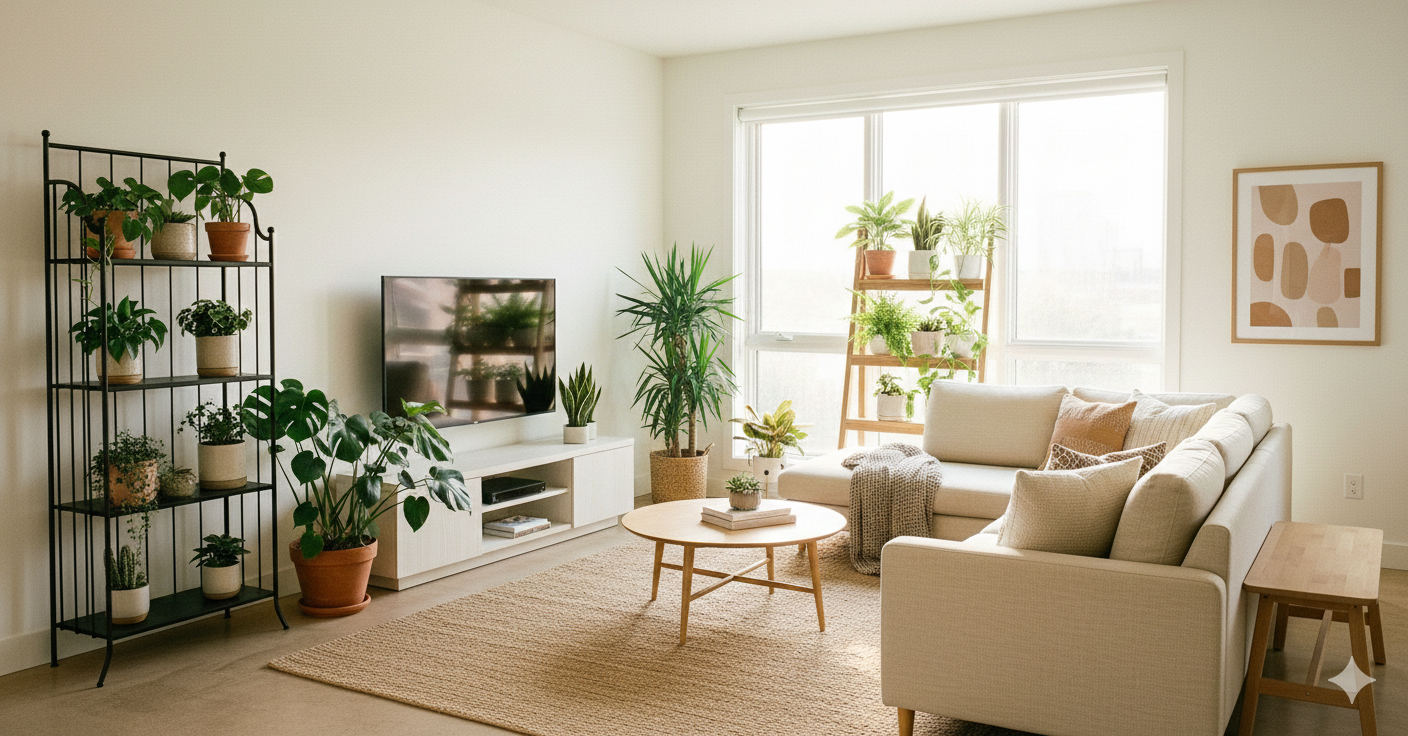
Indoor plants improve air quality, reduce stress, and make any room feel alive. But plants alone are not enough. The way you display them determines how attractive your space looks and how well your plants grow. Choosing the best shelves and stands for displaying indoor plants helps maximize space, improve sunlight exposure, and create a clean decorative layout.
This guide explains the different types of shelves and stands, how to choose the right one, materials to consider, placement strategies, styling ideas, and common mistakes to avoid. By the end, you will know exactly how to build a functional and visually appealing indoor plant display.
Why Plant Shelves and Stands Matter
Indoor plant shelving is not just decoration. It solves several practical problems:
-
Maximizes small apartment space
-
Improves light distribution for plants
-
Keeps floors clean and organized
-
Protects plants from pets and children
-
Creates layered decorative design
-
Makes watering and maintenance easier
Vertical plant displays can increase the number of plants you grow without overcrowding the room.
Types of Shelves for Indoor Plant Displays
1. Wall-Mounted Shelves
Wall-mounted shelves are ideal for small spaces. They free up floor area and allow plants to receive more sunlight near windows.
Best for:
-
Apartments
-
Minimalist homes
-
Small rooms
-
Decorative accent walls
Advantages:
-
Saves floor space
-
Creates modern design
-
Easy to arrange multiple levels
2. Corner Plant Shelves
Corner shelves use unused room corners effectively. These shelves create a vertical plant garden without blocking movement.
Best for:
-
Tight rooms
-
Living room corners
-
Bedrooms
-
Entryways
Advantages:
-
Space-efficient
-
Adds visual height
-
Great for layered plant styling
3. Ladder Plant Shelves
Ladder shelves are one of the most popular indoor plant display options. They provide multiple levels while maintaining an open structure that allows sunlight to pass through.
Best for:
-
Living rooms
-
Balcony doors
-
Window areas
Advantages:
-
Stylish and modern
-
Easy to move
-
Fits many plant sizes
4. Floating Plant Shelves
Floating shelves create a clean and modern look. They are perfect for decorative plant arrangements and smaller pots.
Best for:
-
Decorative walls
-
Kitchen plant displays
-
Bathroom greenery
Advantages:
-
Minimalist appearance
-
Easy installation
-
Flexible arrangement
5. Multi-Tier Plant Stands
Multi-tier stands allow many plants to be placed in one compact area. These stands are especially useful for plant collectors.
Best for:
-
Plant enthusiasts
-
Sunlit windows
-
Indoor garden corners
Advantages:
-
Holds many plants
-
Good light distribution
-
Organized layout
Best Plant Stand Materials
Choosing the right material affects durability, stability, and design.
Wooden Plant Stands
-
Natural decorative look
-
Strong and stable
-
Matches most interior designs
-
Best for living rooms and bedrooms
Metal Plant Stands
-
Modern appearance
-
Highly durable
-
Moisture resistant
-
Ideal for balconies or humid rooms
Bamboo Plant Shelves
-
Lightweight
-
Eco-friendly
-
Stylish natural design
-
Perfect for modern apartments
Glass Shelves
-
Elegant and minimal
-
Works well in modern interiors
-
Best for small decorative plants
How to Choose the Best Shelves and Stands for Displaying Indoor Plants
When selecting plant shelves, focus on functionality first and decoration second.
Consider Plant Size
-
Large plants need sturdy stands
-
Small plants work well on wall shelves
-
Hanging plants need elevated displays
Evaluate Light Exposure
-
Place shelves near windows
-
Avoid blocking sunlight
-
Use tiered stands for better light distribution
Check Weight Capacity
-
Ensure shelves support pot weight
-
Use heavy-duty brackets for wall shelves
-
Choose strong frames for multi-tier stands
Match Interior Style
-
Wooden shelves for classic homes
-
Metal stands for modern interiors
-
Bamboo for natural themes
Best Placement Ideas for Indoor Plant Shelves
Proper placement improves both design and plant health.
Near Windows
Plants receive maximum natural light. Ladder shelves work well here.
Living Room Feature Wall
Floating shelves create decorative green walls.
Bedroom Corners
Corner stands add calm greenery without taking space.
Kitchen Windows
Small herb shelves provide functional decoration.
Bathroom Shelving
Humidity-loving plants thrive in bathroom plant displays.
Styling Tips for Indoor Plant Displays
Plant styling improves the visual appeal of your home.
Use Different Heights
Mix tall and short plants to create depth.
Combine Pot Styles
Use ceramic, clay, and woven pots together for visual variety.
Follow the Rule of Three
Group plants in sets of three for balanced design.
Mix Hanging and Standing Plants
Combining shelf plants with hanging vines creates layered displays.
Add Decorative Elements
Include books, candles, or frames between plants for aesthetic balance.
Best Plants for Shelf Displays
Certain plants perform better on shelves and stands.
Ideal shelf plants:
-
Pothos
-
Snake Plant
-
Spider Plant
-
Peace Lily
-
Succulents
-
ZZ Plant
-
Philodendron
These plants tolerate indoor conditions and grow well in containers.
Step-by-Step: Setting Up a Plant Shelf Display
Step 1: Choose the Location
Select a spot with natural light and enough wall or floor space.
Step 2: Install or Position the Shelf
Secure wall shelves properly or place ladder stands safely.
Step 3: Arrange Larger Plants First
Place heavy plants on lower shelves for stability.
Step 4: Add Medium Plants
Fill middle layers with medium-sized pots.
Step 5: Finish with Small Decorative Plants
Place small plants or trailing vines on upper levels.
Step 6: Check Light Exposure
Ensure each plant receives adequate light.
Common Mistakes to Avoid
-
Overcrowding shelves with too many plants
-
Using weak shelves that cannot support weight
-
Blocking sunlight with large pots
-
Ignoring watering drainage protection
-
Placing shelves too far from light sources
Avoiding these mistakes improves plant health and shelf longevity.
Budget vs Premium Plant Shelving Options
Budget Options
-
Plastic multi-tier stands
-
Simple wooden shelves
-
DIY wall-mounted boards
-
Bamboo foldable shelves
Premium Options
-
Designer metal frames
-
Custom wooden shelving systems
-
Modular plant display walls
-
Smart indoor garden racks
Choose based on durability and room design.
DIY Indoor Plant Shelf Ideas
DIY shelving saves money and allows customization.
Wooden Crate Shelves
Stack crates vertically to create plant towers.
Hanging Rope Shelves
Use rope and wooden boards for hanging displays.
Recycled Ladder Shelf
Repurpose old ladders into plant stands.
Window Shelf Installations
Install narrow shelves across window frames for herbs and small plants.
DIY solutions allow flexible sizes and creative designs.
Maintenance Tips for Plant Shelves
Keeping shelves clean ensures long-term use.
-
Wipe shelves weekly to remove dust
-
Protect surfaces using waterproof mats
-
Check shelf stability monthly
-
Avoid water overflow from pots
-
Rotate plants for equal sunlight exposure
Regular maintenance prevents mold and structural damage.
Frequently Asked Questions
What is the best shelf height for indoor plants?
Plant shelves should be positioned where plants receive indirect sunlight without touching the ceiling. Adjustable shelves provide flexibility.
Are metal or wooden plant stands better?
Wood provides a natural look, while metal offers durability and moisture resistance. The best choice depends on room design and humidity.
How many plants should be placed on one shelf?
Avoid overcrowding. Each plant should have enough space for airflow and sunlight.
Can plant shelves damage walls?
Proper wall anchors prevent damage. Always use heavy-duty brackets for safety.
Conclusion
Choosing the best shelves and stands for displaying indoor plants transforms both your home design and plant health. The right shelving system maximizes vertical space, improves sunlight access, and creates a structured decorative layout. Whether you prefer wall-mounted shelves, ladder stands, or multi-tier racks, selecting durable materials and proper placement ensures long-term functionality.
Start by identifying your available space, plant size, and lighting conditions. Then select shelves that match your interior style while supporting plant growth. With proper arrangement and styling, plant shelves become a central decorative feature that brings freshness and balance to any indoor environment.