
Introduction
Healthy plant roots are the foundation of a strong, productive garden. Roots absorb water, nutrients, and oxygen, yet they are also the most vulnerable part of any plant. Extreme heat, cold temperatures, water loss, and compacted soil can weaken roots quickly.
This is where mulching becomes essential. Using the right mulching techniques protects plant roots, stabilizes soil temperature, improves moisture retention, and encourages healthier growth throughout the year.
In this guide, you will learn the best mulching techniques to protect plant roots, how to choose the right mulch, how to apply it correctly, and common mistakes to avoid.
What Is Mulching and Why It Matters for Root Protection
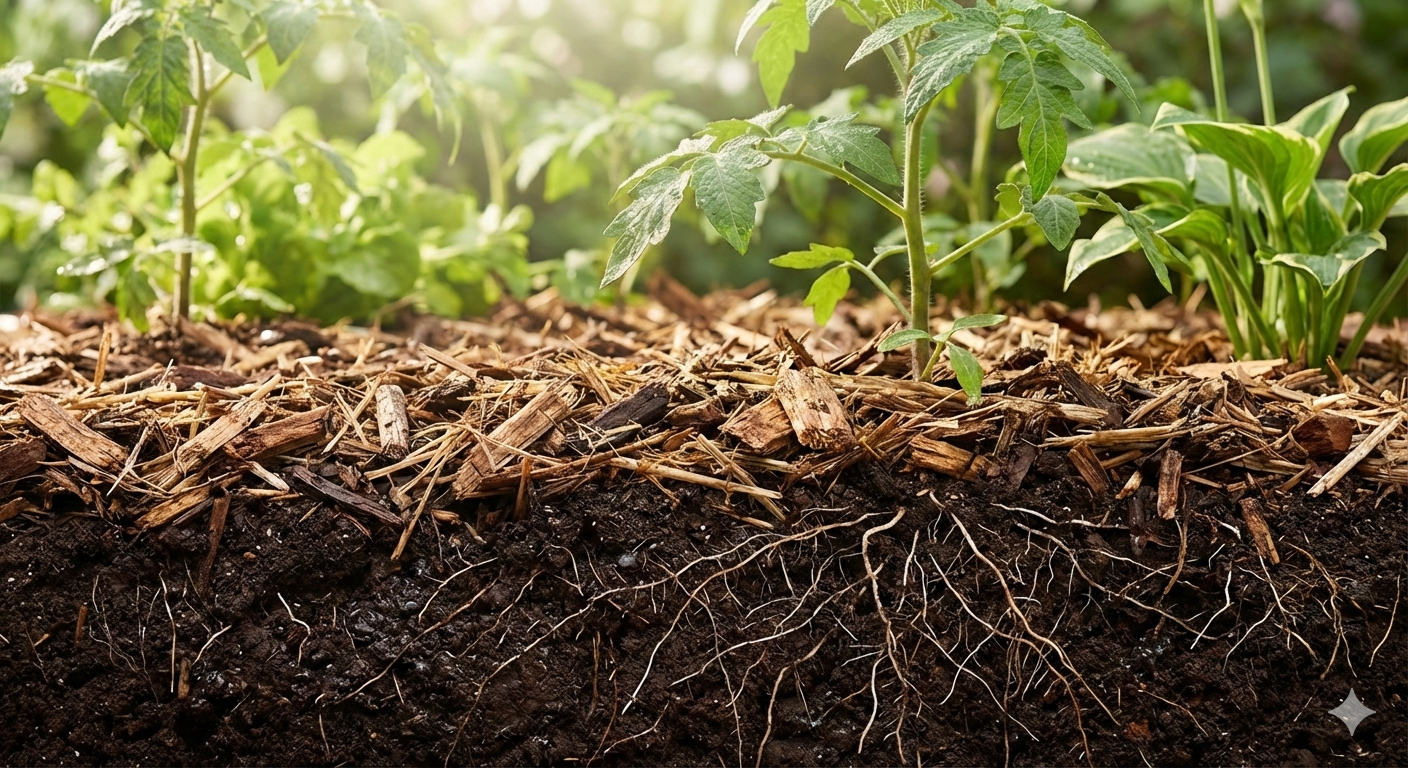
Mulching is the process of covering the soil surface around plants with organic or inorganic material. This protective layer acts as insulation for the soil and roots underneath.
Mulch helps reduce water evaporation, prevents soil erosion, suppresses weeds, and shields roots from temperature extremes. Over time, organic mulch also improves soil structure and fertility.
Plants with well-protected roots grow stronger, resist stress better, and produce more consistent results.
How Mulch Protects Plant Roots
Mulch works in several important ways that directly benefit root systems.
It keeps soil temperature stable by reducing sudden changes caused by heat or cold. Roots remain active and healthy instead of becoming stressed.
Mulch locks moisture into the soil. Roots stay hydrated longer, reducing the need for frequent watering.
It improves soil structure over time, especially when organic mulch breaks down and feeds beneficial microbes.
Mulch prevents soil compaction caused by heavy rain or foot traffic, allowing roots to breathe and grow freely.
Best Mulching Techniques to Protect Plant Roots
Choose the Right Mulch for Your Plants
Not all mulch works the same way. Choosing the right type is the first step toward effective root protection.
Organic mulches improve soil health over time and are ideal for most gardens. Inorganic mulches are long-lasting and low maintenance but do not improve soil quality.
Organic mulch examples include shredded bark, wood chips, straw, leaves, compost, and grass clippings. Inorganic options include gravel, stones, and landscape fabric.
For most home gardens, organic mulch is the best choice for protecting roots and improving soil health.
Apply the Correct Mulch Thickness
Mulch thickness plays a major role in root protection.
Too little mulch will not protect roots or block weeds. Too much mulch can trap excess moisture and cause root rot.
The ideal mulch depth is 2 to 4 inches for organic materials. This thickness provides insulation while allowing air and water to reach the soil.
For inorganic mulch like gravel, a depth of 1 to 2 inches is usually sufficient.
Keep Mulch Away from Plant Stems
One of the most common mulching mistakes is piling mulch directly against plant stems or tree trunks.
This traps moisture around the base and encourages rot, fungal disease, and pest problems.
Always leave a small gap around the stem or trunk. This allows airflow and prevents damage to the plant’s base while still protecting the roots.
Mulch at the Right Time of Year
Timing matters when it comes to mulching.
In spring, mulch after the soil warms up. This helps retain moisture without slowing early root growth.
In summer, mulch protects roots from heat stress and reduces water loss.
In fall, mulch insulates roots against cold temperatures and prevents freeze-thaw damage.
In winter, mulch helps protect perennial roots from frost, especially in colder climates.
Use Mulch to Improve Soil Moisture Retention
Water loss is one of the biggest threats to healthy roots. Mulching reduces evaporation and keeps soil moisture consistent.
After watering, apply mulch while the soil is still moist. This locks in hydration and helps roots absorb water more efficiently.
Mulched soil dries out slower, reducing plant stress during hot or dry periods.
Combine Mulching with Proper Watering
Mulching works best when combined with smart watering practices.
Water deeply and less frequently to encourage deep root growth. Mulch helps keep that moisture available longer.
Avoid shallow watering, which promotes weak surface roots.
Drip irrigation and soaker hoses work especially well with mulch because water reaches the roots directly.
Best Types of Mulch for Root Protection
Wood Chips and Bark Mulch
Wood chips and bark mulch are excellent for trees, shrubs, and flower beds.
They decompose slowly, provide long-lasting protection, and improve soil structure over time.
These mulches are especially effective for protecting roots from temperature extremes.
Straw and Hay Mulch
Straw is lightweight, affordable, and ideal for vegetable gardens.
It allows air circulation while keeping soil cool and moist.
Avoid hay with seeds, as it may introduce weeds.
Leaf Mulch
Shredded leaves are a natural and effective mulch.
They break down quickly and enrich the soil with organic matter.
Leaves work well for perennial beds and garden borders.
Compost as Mulch
Compost provides nutrients while protecting roots.
It improves soil fertility and microbial activity.
Apply compost in a thin layer and refresh it regularly.
Gravel and Stone Mulch
Gravel mulch works well for drought-tolerant plants and decorative gardens.
It reflects heat and reduces evaporation.
However, it does not improve soil health and can increase soil temperature in hot climates.
Mulching Techniques for Different Plant Types
Mulching Trees and Shrubs
Spread mulch in a wide circle around the base of the tree, extending to the drip line if possible.
Keep mulch several inches away from the trunk.
This encourages roots to grow outward and improves stability.
Mulching Vegetable Gardens
Apply mulch between rows and around plants.
Use organic mulch like straw or compost.
This protects shallow roots and improves soil fertility.
Mulching Flower Beds
Use shredded bark, compost, or leaves.
Maintain consistent depth and refresh mulch as it breaks down.
Mulch enhances appearance while protecting delicate root systems.
Mulching Container Plants
Containers dry out faster than garden soil.
Apply a thin mulch layer to retain moisture and regulate temperature.
Avoid heavy mulch that blocks airflow in small pots.
Common Mulching Mistakes That Harm Roots
Applying mulch too thick can suffocate roots.
Placing mulch directly against stems causes rot and disease.
Using fresh wood chips can temporarily reduce soil nitrogen.
Ignoring mulch replacement leads to exposed soil and weak roots.
Mixing mulch into soil instead of layering it reduces effectiveness.
How Often Should Mulch Be Replaced
Organic mulch breaks down over time and needs replenishing.
Most organic mulches should be refreshed once or twice per year.
Check mulch depth regularly and add more when it thins.
Inorganic mulch lasts longer but may need cleaning or repositioning.
Does Mulch Attract Pests
Proper mulching does not attract pests when applied correctly.
Avoid piling mulch near plant stems or structures.
Use clean, untreated materials.
Good airflow and proper spacing prevent pest problems.
Mulching and Soil Health
Mulching supports beneficial soil organisms.
Earthworms, microbes, and fungi thrive under mulch.
These organisms improve nutrient availability and root development.
Healthy soil leads to stronger roots and healthier plants.
Frequently Asked Questions About Mulching
What is the best mulch for root protection?
Organic mulch like wood chips, straw, or compost provides the best balance of protection and soil improvement.
Can mulch replace fertilizer?
Mulch improves soil health but does not fully replace fertilizer. Compost mulch provides the most nutrients.
Should mulch touch plant roots?
Mulch should cover soil above roots but not touch stems or trunks.
Is mulching necessary year-round?
Yes. Mulching protects roots in every season, from heat in summer to cold in winter.
Conclusion
Using the best mulching techniques to protect plant roots is one of the simplest and most effective ways to improve plant health. Proper mulching stabilizes soil temperature, conserves moisture, improves soil quality, and reduces stress on root systems.
When you choose the right mulch, apply it correctly, and maintain it consistently, your plants develop stronger roots and grow more successfully. Whether you are caring for vegetables, flowers, trees, or containers, mulching is a powerful tool that delivers long-term benefits to your garden.
By mastering these mulching techniques, you give your plants the strong foundation they need to thrive in any season.