
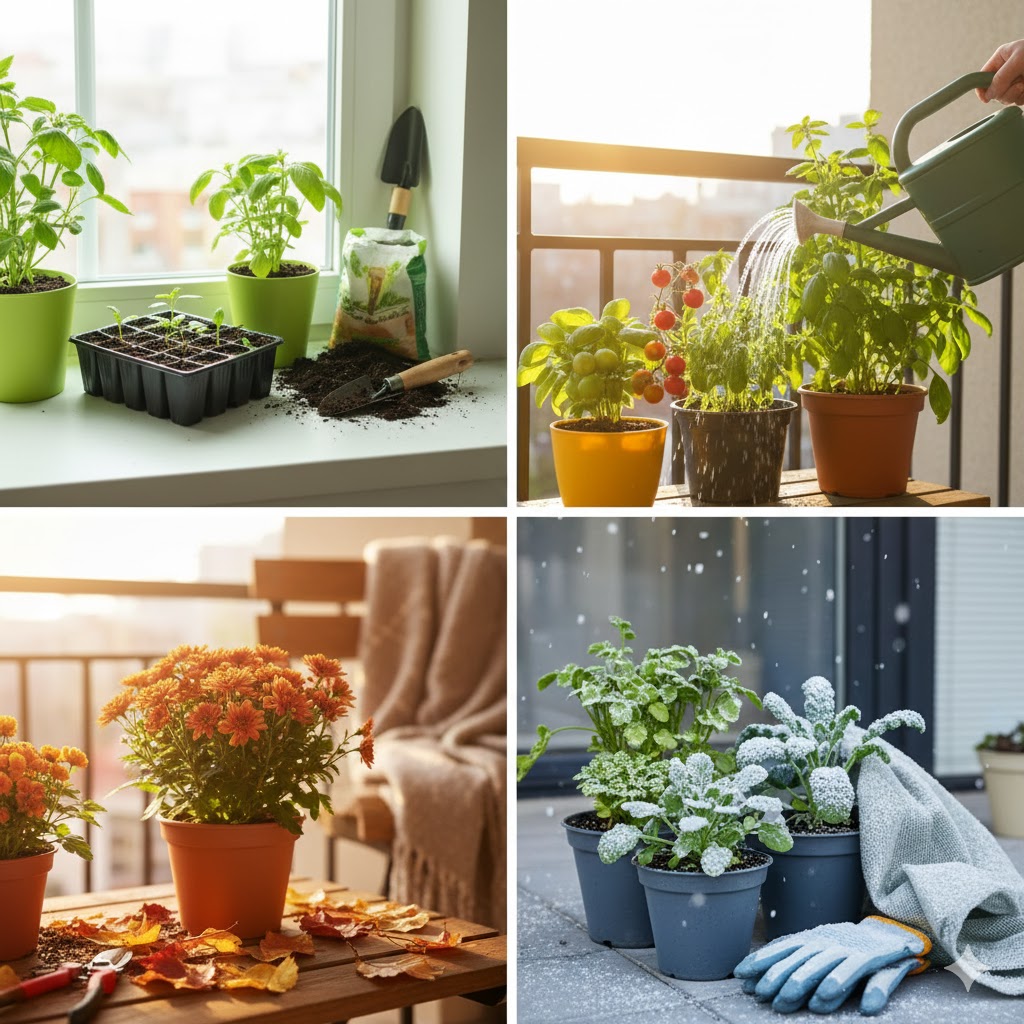
A thriving garden requires consistent care and attention throughout the year. Plants respond differently to changing seasons, and following a seasonal plant care checklist ensures your garden remains healthy, productive, and pest-free.
This guide provides a comprehensive, actionable plan for spring, summer, fall, and winter, including soil management, watering, fertilization, pruning, pest control, and plant-specific care tips.
Why a Seasonal Plant Care Checklist Matters
Plants are living organisms that react to temperature, sunlight, and soil conditions. Without seasonal adjustments:
-
Growth slows down
-
Flowering or fruiting is reduced
-
Pest and disease issues increase
A seasonal checklist ensures:
-
Plants grow strong roots
-
Optimal bloom and fruit production
-
Reduced risk of plant stress and disease
Gardening with seasonal awareness maximizes productivity and minimizes resource waste.
Spring Plant Care Checklist
Spring is the season of renewal and growth. Plants transition from dormancy and need proper care to flourish.
1. Soil Preparation
-
Loosen compacted soil for better root penetration
-
Remove weeds and old plant debris to prevent pests
-
Add compost, well-rotted manure, or organic fertilizers to boost nutrients
-
Test soil pH: most vegetables prefer 6.0–7.0
2. Fertilization
-
Apply nitrogen-rich fertilizers for leafy growth
-
Use organic options like worm castings, compost tea, or fish emulsion
-
Fertilize seedlings lightly to avoid root burn
3. Pruning and Trimming
-
Remove dead, damaged, or diseased branches from shrubs and trees
-
Prune spring-flowering plants after blooms fade
-
Shape plants to improve airflow and light penetration
4. Planting Seeds and Transplants
-
Start seeds indoors for tomatoes, peppers, and herbs
-
Transplant hardy seedlings after the last frost
-
Ensure consistent soil moisture for germination success
5. Watering
-
Gradually increase watering frequency as temperatures rise
-
Avoid overwatering to prevent root rot
-
Water early in the morning to reduce evaporation
6. Pest and Disease Management
-
Inspect new growth for aphids, mites, or fungal infections
-
Introduce natural predators like ladybugs or apply mild organic pesticides
-
Maintain garden hygiene by removing dead leaves and plant debris
Summer Plant Care Checklist
Summer presents heat stress and water management challenges. Plants require targeted care to survive and thrive.
1. Water Management
-
Water deeply 2–3 times a week rather than frequent shallow watering
-
Mulch around plants to reduce soil temperature and retain moisture
-
Use drip irrigation to provide consistent water without wetting leaves
2. Fertilization
-
Apply balanced fertilizers to support flowering and fruiting
-
Avoid excess nitrogen to prevent leafy growth over blooms
-
Consider foliar feeding for quick nutrient absorption
3. Pruning and Deadheading
-
Remove spent flowers to encourage more blooms
-
Light pruning of shrubs helps shape them without stressing the plant
-
Avoid pruning during extreme heat to prevent shock
4. Sun Protection
-
Provide shade for sensitive plants during peak afternoon sun
-
Rotate potted plants indoors or to shaded areas
-
Mulch helps protect roots and conserve water
5. Pest and Disease Control
-
Inspect for spider mites, whiteflies, and fungal diseases
-
Apply organic treatments like neem oil or insecticidal soap
-
Ensure proper plant spacing to improve airflow
6. Additional Summer Tips
-
Stake tall plants like tomatoes to prevent stem breakage
-
Pinch back herbs to encourage bushier growth
-
Harvest vegetables regularly to stimulate continuous production
Fall Plant Care Checklist
Fall prepares plants for dormancy. Proper care strengthens roots and protects plants from winter stress.
1. Soil and Mulch Preparation
-
Add compost or leaf mold to enrich soil
-
Apply 2–4 inches of mulch to insulate roots from cold
-
Check drainage to prevent waterlogging
2. Fertilization
-
Use phosphorus-rich fertilizers to strengthen roots
-
Avoid high-nitrogen fertilizers that encourage vulnerable new growth
-
Organic fertilizers provide slow-release nutrition through winter
3. Pruning
-
Remove dead, diseased, or weak branches
-
Avoid heavy pruning; focus on shaping and cleaning
-
Cut back perennials after foliage dies back
4. Planting and Transplanting
-
Plant fall vegetables like spinach, kale, and broccoli
-
Transplant shrubs or trees to allow root establishment before winter
-
Divide perennials for healthier growth next spring
5. Pest and Disease Prevention
-
Clear fallen leaves to reduce fungal spores
-
Inspect plants for overwintering pests
-
Apply dormant oil sprays on fruit trees to manage insects
6. Preparing Containers and Indoor Plants
-
Move sensitive potted plants indoors or to sheltered areas
-
Reduce watering to prevent soggy soil
-
Check soil health and add compost if needed
Winter Plant Care Checklist
Winter focuses on protection and minimal maintenance. Plants grow slowly, so care should prevent stress.
1. Indoor Plant Care
-
Reduce watering; soil should be slightly moist, not soggy
-
Maintain humidity with pebble trays or misting
-
Keep plants near light sources but away from drafts and heaters
2. Outdoor Plant Protection
-
Mulch heavily around perennials and root vegetables
-
Cover tender plants with frost cloth or burlap
-
Water occasionally if soil is dry and unfrozen
3. Pruning and Tool Maintenance
-
Avoid pruning tender plants in extreme cold
-
Remove dead leaves and debris to prevent disease buildup
-
Clean and sharpen gardening tools for spring
4. Pest and Disease Management
-
Check for indoor pests like spider mites or aphids
-
Remove moldy or dead leaves promptly
-
Apply organic treatments sparingly
5. Winter Gardening Tips
-
Plan garden layout and crop rotation for next spring
-
Start indoor seedlings for early spring planting
-
Use cold frames or greenhouses to extend growing season
Common Mistakes to Avoid
-
Overwatering: Can lead to root rot and fungal diseases
-
Under-fertilizing: Plants may appear weak and produce fewer blooms
-
Ignoring pests: Small infestations can become serious problems
-
Neglecting pruning: Dead branches harbor pests and reduce airflow
-
Wrong seasonal planting: Frost-sensitive plants planted too early can die
Plant-Specific Seasonal Tips
Flowering Plants
-
Spring: Fertilize with phosphorus-rich fertilizer for blooms
-
Summer: Deadhead flowers regularly
-
Fall: Reduce fertilization, focus on root health
-
Winter: Protect from frost and minimize watering
Fruit and Vegetable Plants
-
Spring: Start seeds indoors and prepare raised beds
-
Summer: Mulch to conserve moisture; support heavy fruiting plants
-
Fall: Harvest late crops; plant cover crops for soil improvement
-
Winter: Protect roots with mulch; plan crop rotation
Trees and Shrubs
-
Spring: Prune and shape; apply slow-release fertilizer
-
Summer: Monitor for pests and provide consistent watering
-
Fall: Remove dead branches; mulch to protect roots
-
Winter: Avoid pruning in freezing temperatures; clean tools
Seasonal Fertilization Summary
| Season | Fertilizer Type | Purpose | Frequency |
|---|---|---|---|
| Spring | Nitrogen-rich, organic amendments | Leafy growth | Every 4–6 weeks |
| Summer | Balanced fertilizer, bloom support | Flowering and fruiting | Every 4–6 weeks |
| Fall | Phosphorus and potassium focus | Root strengthening for winter | 1–2 times |
| Winter | Minimal slow-release if needed | Maintenance, not growth | Once |
Seasonal Plant Care Quick Reference
Spring: Soil prep, fertilize, prune, plant seeds/transplants, water, monitor pests
Summer: Deep watering, mulch, fertilize for blooms/fruits, prune lightly, shade, pest control
Fall: Mulch, strengthen roots, prune lightly, plant fall crops, pest management
Winter: Protect roots, reduce watering, indoor care, minimal fertilization, monitor pests
FAQs
Q1: How often should I water plants in different seasons?
-
Spring: Moderate, increasing with temperatures
-
Summer: Deep watering 2–3 times/week
-
Fall: Reduce gradually
-
Winter: Water only if soil is dry
Q2: Can I fertilize plants in winter?
-
Only slow-release or minimal organic fertilizers; avoid heavy feeding
Q3: How do I protect plants from pests year-round?
-
Monitor leaves and stems
-
Introduce beneficial insects
-
Use organic sprays like neem oil when necessary
Q4: Do indoor and outdoor plants need different seasonal care?
-
Yes, indoor plants need less water, higher humidity, and consistent light
-
Outdoor plants require frost protection, mulching, and seasonal pruning
Conclusion
A Plant Care Checklist for Every Season is essential for healthy, productive gardens. By following this guide, you ensure:
-
Plants grow strong roots and thrive in every climate
-
Proper fertilization, watering, pruning, and pest management are applied seasonally
-
Avoiding common mistakes keeps plants vibrant and disease-free
Seasonal care maximizes yield, flower production, and overall garden aesthetics. With consistent attention and observation, gardeners can achieve year-round plant health and productivity.